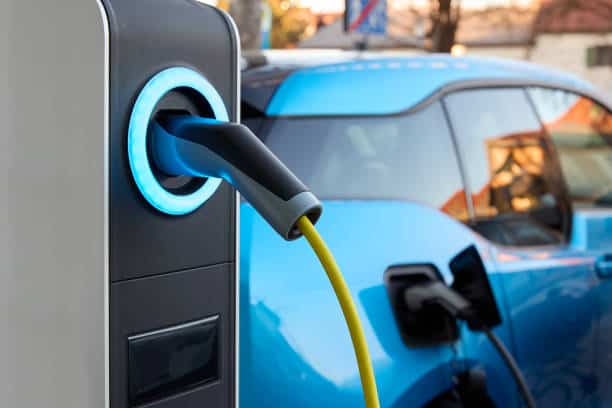
According to Next Move Strategy Consulting, the China Electric Vehicle (EV) Charging Market, is forecasted to reach a remarkable USD 61.35 billion by 2030, reflecting a compound annual growth rate (CAGR) of 26.2% from 2023 to 2030. The rapid expansion of EV infrastructure in China is fueled by robust government initiatives, innovative charging solutions, and increasing consumer demand for electric mobility, positioning China at the forefront of the global transition to electric vehicles.
Government Support Driving China’s EV Charging Infrastructure Expansion
China Electric Vehicle (EV) Charging Market aggressive push toward a sustainable future is accelerating the growth of the electric vehicle charging market. The government is implementing a variety of policies and incentives designed to promote EV adoption and enhance the availability of charging infrastructure across the nation.
Click Here for Your FREE Sample!
Technological Innovations and Strategic Partnerships Fuel Market Growth
The China Electric Vehicle Charging Market is also benefiting from technological advancements and innovative product offerings from major players in the industry. Manufacturers are introducing smart charging solutions that offer improved efficiency, faster charging times, and enhanced user experience.
The company plans to expand its network further, with over 300 stores nationwide by the end of the year. This extensive rollout of Zeekr charging stations, including 12,500 third-party charging piles, will enhance access to charging facilities and contribute to the adoption of electric vehicles across China.
The Role of Fast Chargers and Residential EV Charging Solutions
One of the key drivers of the China EV charging market is the increasing demand for fast chargers. Level 3 chargers, which are capable of charging an electric vehicle in under 30 minutes, are particularly important for commercial and long-distance EV charging stations. These ultra-fast chargers play a vital role in reducing charging times and providing consumers with more convenience.
However, the high initial installation costs for Level 3 charging stations may deter some businesses and municipalities from investing in the necessary infrastructure. While Level 1 and Level 2 chargers are more affordable and suitable for residential use, the market for fast chargers is expected to grow rapidly as consumers increasingly demand quicker charging times to meet their busy schedules.
The adoption of EV chargers in residential spaces also presents a significant growth opportunity. Residential EV chargers are more affordable and convenient for homeowners, providing them with the flexibility to charge their electric vehicles at home. As more individuals make the switch to electric vehicles, the demand for residential charging solutions is expected to rise, further fueling the growth of the market.
Vehicle-to-Grid (V2G) Technology: The Next Frontier for EV Charging
The rise of Vehicle-to-Grid (V2G) technology in China is unlocking exciting opportunities for the EV charging market. V2G technology allows electric vehicles to not only draw power from the grid but also return excess electricity back to the grid. This bidirectional flow of energy can help balance grid demand and improve energy efficiency, providing additional value for EV owners.
V2G technology enhances the role of electric vehicles as part of a broader energy ecosystem, enabling them to serve as mobile energy storage units. While the initial cost of V2G infrastructure is high, it is expected to become more widespread as the technology matures. Manufacturers are focusing on producing advanced connectors and infrastructure that can support the growth of V2G technology.
Several companies are already exploring V2G charging solutions, including partnerships between EV manufacturers and energy companies. For example, Enel Energia S.p.A. has installed V2G charging stations at the Italian Institute of Technology’s Genoa headquarters as part of a collaborative project with Nissan. This innovative approach to EV charging represents a shift toward more integrated, sustainable transportation and energy systems.
Challenges and Obstacles Facing the China EV Charging Market
Despite the significant growth prospects, the China EV charging market faces a few challenges. The high installation costs for Level 3 chargers, coupled with concerns over the return on investment, remain a major obstacle to widespread adoption. In addition, the absence of standardized charging infrastructure and the complexity of integrating new technologies like V2G into existing grid systems present challenges for further market expansion.
However, as the market matures, technological advancements and improved manufacturing efficiencies are expected to drive down costs, making EV chargers more accessible and affordable for businesses and consumers alike.
Competitive Landscape: Key Players in China’s EV Charging Market
The China Electric Vehicle (EV) Charging Market is highly competitive, with numerous players operating across various segments of the market. Key players in the market include:
- Tesla Inc.
- BP PLC (Pulse)
- ABB Ltd.
- Shell Plc
- NaaS Technology
- BYD Company Limited
- WallBox Inc.
- Evcstar
- Schneider Electric
- Siemens
- Shenzhen UUGreenPower Co., Ltd.
- Schargenet
- EVB
- GreenC
- Sino Energy Technology
These companies are driving innovation in the EV charging market, introducing smart charging solutions, expanding their networks, and leveraging partnerships to support the growing demand for EV infrastructure in China.
Key Market Segments
The China Electric Vehicle (EV) Charging Market is segmented into several key categories:
- By Type of Charger:
- AC Chargers
- DC Chargers
- By Charging Speed:
- Level 1 (Slow)
- Level 2 (Moderate)
- Level 3 (Fast)
- By Connector Type:
- J1772 (Type 1)
- Mennekes (Type 2)
- CCS (Combined Charging System)
- CHAdeMO
- Others
- By Charging Modes:
- Mode 1
- Mode 2
- Mode 3
- Mode 4
- By Installation:
- Fixed
- Portable
- By End User:
- Commercial: Public EV Charging Stations, Highway Charging Stations, Fleet Charging Stations, Workplace Charging Stations
- Residential
Conclusion: A Promising Future for China’s EV Charging Market
The China Electric Vehicle (EV) Charging Market is on track for significant expansion, driven by favorable government policies, increasing consumer demand for electric vehicles, and innovations in charging technology. As the country continues its transition to a green economy, the need for a comprehensive and efficient EV charging infrastructure will become even more critical.
