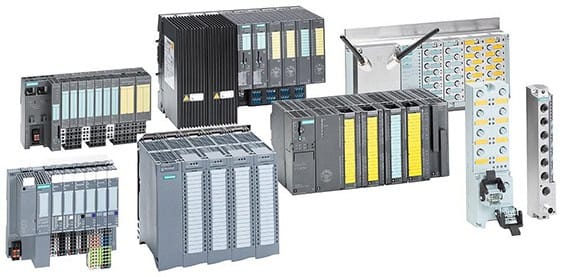
According to Next Move Strategy Consulting, the global Distributed I/O Market, is poised for significant growth, with projections to reach USD 5.73 billion by 2030. This growth is driven by the accelerating adoption of industrial automation, increasing demand for clean energy, and the implementation of advanced technologies such as the Internet of Things (IoT) and Industry 4.0. The market is expected to expand at a compound annual growth rate (CAGR) of 7.3% from 2023 to 2030.
What is Distributed I/O?
Distributed I/O Market refers to a networked system where input and output devices (such as sensors, actuators, and controllers) are spread across various locations rather than being centralized in one location. This method enhances operational efficiency, scalability, flexibility, and speed in communication within industrial environments.
Click Here for Your FREE Sample!
Industrial Automation Demand Drives Market Growth
The primary catalyst for the distributed I/O market’s growth is the rising demand for industrial automation across global sectors. Automation is increasingly recognized for its ability to improve efficiency, reduce downtime, and increase precision. McKinsey & Company projects that automated systems will represent a quarter of industrial capital expenditures in the next five years, underlining the increasing importance of distributed I/O systems in modern industrial operations.
The Role of Distributed I/O in Clean and Sustainable Energy
The global transition to clean energy, propelled by the rising awareness of environmental issues and the need to combat climate change, further boosts the demand for distributed I/O. As countries adopt renewable energy sources to meet climate targets, the integration of distributed I/O systems becomes critical. These systems enable effective data communication and energy management across decentralized renewable energy assets, such as solar, wind, and hydroelectric power.
Challenges Hindering Market Growth
While the potential for distributed I/O systems is vast, the market faces certain challenges, notably high installation costs and technological complexities. Implementing distributed I/O systems requires substantial initial investment in equipment, infrastructure, and skilled personnel, which can be a deterrent for smaller businesses.
Expand Your Knowledge – Read the Full Blog!
Moreover, the technological intricacies associated with configuring and maintaining distributed I/O systems may limit their adoption. Integrating these systems with existing infrastructure demands high-level expertise in networking technologies, data management, and system integration. This complexity can make it challenging for industries to fully realize the benefits of distributed I/O without the support of specialized knowledge or external consultants.
Opportunities Arising from Industry 4.0 and IoT Integration
The advent of Industry 4.0 and the Internet of Things (IoT) has created vast opportunities for the distributed I/O market. The implementation of smart, interconnected systems in manufacturing and industrial settings relies heavily on distributed I/O systems. These systems connect a multitude of sensors, actuators, and devices to central control systems, allowing for real-time data exchange, predictive maintenance, and optimization of operations.
Regional Market Dynamics: North America and Asia-Pacific Leading Growth
North America is the largest market for distributed I/O systems, driven by the rapid adoption of industrial automation and IoT technologies. The U.S. leads the market, with its robust manufacturing sector and growing investments in automation. The presence of leading industrial automation companies such as Rockwell Automation and Emerson Electric significantly contributes to the region’s dominance.
The increasing integration of IoT, AI, and robotics within industries further drives the demand for distributed I/O systems.
For instance, Rockwell Automation launched the Allen-Bradley FLEX 5000 analog safety I/O modules in January 2022, which provide enhanced monitoring and safety features for critical industrial processes, particularly in the manufacturing and oil & gas sectors.
Asia-Pacific, on the other hand, is set to experience steady growth in the distributed I/O market. Countries like China, Japan, and India are investing heavily in industrial automation and sustainable manufacturing practices. The Chinese government’s “Made in China 2025” initiative, which promotes advanced manufacturing technologies, is expected to further stimulate the demand for distributed I/O systems.
Asia-Pacific’s emphasis on energy efficiency and predictive maintenance aligns with the capabilities of distributed I/O systems, making them essential in industries such as oil & gas, power generation, and automotive. As the region continues to modernize its manufacturing capabilities, the adoption of distributed I/O will likely expand in line with the broader trend of industrial digitization.
Competitive Landscape
The global distributed I/O market is highly competitive, with key players constantly innovating to meet the evolving demands of industries worldwide. Leading companies such as Siemens AG, Emerson Electric Co., Honeywell International, Inc., Schneider Electric, ABB, General Electric, and Rockwell Automation are actively developing new solutions to enhance the functionality and efficiency of distributed I/O systems.
Recent product launches and partnerships have further accelerated market growth. For example, in August 2023, ABB introduced a new I/O series designed to meet the digital requirements of oil & gas fields, offering enhanced connectivity and data-driven operations. Similarly, Rockwell Automation’s launch of the Allen-Bradley ArmorBlock 5000 I/O blocks in May 2023 caters to harsh industrial environments, providing easier installation and faster problem resolution.
In December 2022, Honeywell partnered with Regreen Excel EPC India to deploy its PlantCruise by Experion DCS solution integrated with distributed I/O systems across 40 plants in India. This collaboration aims to optimize production uptime, improve safety, and reduce operating costs.
Market Segmentation and Outlook
The distributed I/O market is segmented based on several factors, including communication protocol, mounting options, and industry verticals. Some of the most prominent segments include:
- By Communication Protocol: Profibus, Profinet, EtherNet/IP, Modbus TCP, DeviceNet, and others.
- By Mounting Options: Rack-mounted I/O, DIN-rail mounted I/O, panel-mounted I/O, field-mounted I/O.
- By Industry Vertical: Aerospace & defense, oil & gas, energy & utilities, automotive, pharmaceuticals, food & beverage, and more.
As industries continue to embrace automation, distributed I/O systems are set to play a crucial role in the digital transformation of manufacturing, energy, and other key sectors.
Conclusion
The global distributed I/O market is at a critical juncture, poised to experience significant growth over the next decade. With the rising demand for industrial automation, the push for sustainable energy solutions, and the widespread adoption of IoT and Industry 4.0 technologies, distributed I/O systems are becoming a cornerstone of modern industrial operations. While challenges such as high installation costs and technical complexities exist, the long-term outlook for the market remains positive, with North America and Asia-Pacific leading the charge in growth and innovation.
