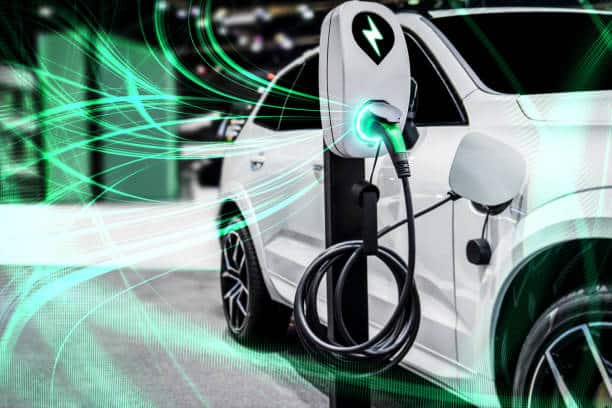
According to Next Move Strategy Consulting, the Finland Electric Vehicle (EV) Charging Market is on track for extraordinary expansion, with its market value projected to soar to USD 393.63 million by 2030. This growth represents a compound annual growth rate (CAGR) of 32.8% to 2030. The rapid rise in EV adoption, coupled with increasing environmental awareness, is driving the demand for advanced EV charging infrastructure in Finland. As more consumers and businesses transition to electric vehicles, the need for an expansive, reliable charging network becomes more critical, contributing to the burgeoning growth of the market.
Electric vehicle chargers are essential devices that connect EVs to electrical outlets, facilitating the recharging of vehicle batteries. These chargers are pivotal in ensuring the continued operation of electric vehicles, with varying charging speeds and power outputs. As the demand for electric vehicles continues to rise, so does the need for robust and reliable charging solutions that can cater to the diverse needs of EV owners, ranging from private consumers to commercial fleets.
The primary charging levels—Level 1, Level 2, and Level 3—differ in the speed and power delivered to the vehicle’s battery, with Level 3 chargers offering the fastest charging times. The evolution of electric vehicles has played a crucial role in addressing environmental concerns, particularly the reduction of harmful emissions from traditional gasoline-powered vehicles. The transition to electric vehicles has significant implications for mitigating climate change and improving air quality, further driving the need for reliable and widespread EV charging infrastructure in Finland.
Environmental Awareness Drives EV Adoption and Charging Infrastructure Growth
The growth of the Finland Electric Vehicle (EV) Charging Market is largely fueled by a heightened environmental consciousness surrounding climate change and the harmful environmental effects of fossil fuel-powered transportation. As concerns about air pollution, carbon emissions, and the impact of climate change intensify, more individuals and businesses are turning to electric vehicles as a cleaner and more sustainable mode of transportation.
Click Here for Your FREE Sample!
This shift toward electric vehicles is not only driven by environmental factors but also by government incentives and regulations that support the adoption of greener technologies. As a result, the demand for EV charging infrastructure has surged, with Finland experiencing a significant increase in the number of electric vehicles on the road.
This growing fleet of electric vehicles has created a pressing need for more comprehensive and accessible EV charging solutions. As Finland moves toward a sustainable future, the expansion of the charging infrastructure market is expected to play a crucial role in meeting the charging demands of this burgeoning EV ecosystem.
Strategic Partnerships and Initiatives Drive Market Expansion
The rapid growth of Finland’s EV charging market can also be attributed to the strategic initiatives and partnerships undertaken by key players in the industry. Companies are embracing a variety of approaches to enhance the availability and efficiency of EV charging stations, leading to the creation of innovative solutions that help meet the needs of consumers and businesses alike.
One notable partnership took place in March 2022, when Electreon and Destia teamed up to develop wireless EV charging in Finland. This collaboration aims to enhance the potential of wireless charging and Electric Road Systems (ERS) for a range of vehicles, including taxis, delivery vans, buses, and more. The deployment of ERS is expected to have a significant environmental impact, as it offers a unique solution to reduce greenhouse gas emissions and enhance the sustainability of Finland’s transport system.
Challenges Posed by High Setup Costs for Fast Chargers
Despite the rapid expansion of the EV charging market, challenges remain, particularly with regard to the high initial setup costs of fast chargers and level 3 chargers. While Level 1 and Level 2 chargers are more affordable and offer slower charging speeds, Level 3 chargers (also known as ultra-fast chargers) can recharge an EV in under 30 minutes, making them highly sought after by consumers, especially those who rely on their vehicles for long-distance travel.
Vehicle-to-Grid (V2G) Technology Offers New Opportunities for Growth
The growing adoption of Vehicle-to-Grid (V2G) technology in Finland is unlocking new opportunities for EV charging infrastructure. V2G technology enables a two-way exchange of electrical energy between electric vehicles and the power grid. EV owners can store excess electricity in their vehicle batteries and supply it back to the grid when needed, providing additional flexibility and stability to the electrical grid.
V2G technology not only offers significant benefits for the grid but also enhances the overall value of electric vehicles by enabling them to contribute to energy supply. This two-way energy flow helps balance the grid and supports renewable energy integration, while also providing financial incentives for EV owners.
Competitive Landscape
The Finland Electric Vehicle (EV) Charging Market is highly competitive, with numerous market players contributing to its expansion. Leading companies such as ABB Ltd., ChargePoint, Inc., Tesla Inc., Shell Recharge Solutions, and Siemens are at the forefront of developing innovative charging solutions that meet the growing demand for reliable, fast, and efficient EV charging stations.
Market Segmentation
The Finland Electric Vehicle Charging Market can be segmented across multiple categories, offering a comprehensive view of the industry. Key segments include:
- Charging Type: Off-Board Top-Down Pantograph, On-Board Bottom-Up Pantograph, Charging Via Connector
- Charging Voltage Level: Level 1 (<3.7 KW), Level 2 (3.7–22 KW), Level 3 (Above 22 KW)
- Charger Type: Slow Charger, Fast Charger
- IoT Connectivity: Non-Connected Charging Stations, Smart Connected Charging Stations (Networked)
- Vehicle Charging: AC (Normal Charging), DC (Super Charging), Inductive Charging
- Application: Commercial, Residential (including public and private charging stations, fleet charging, and captive charging)
Conclusion
The Finland Electric Vehicle (EV) Charging Market is poised for exceptional growth, driven by the increasing adoption of electric vehicles, rising environmental consciousness, and strategic initiatives by key market players. While challenges such as high setup costs for fast chargers and the need for further incentives remain, innovations like Vehicle-to-Grid (V2G) technology present significant opportunities for future growth. The continued development of the EV charging infrastructure in Finland will play a crucial role in the country’s transition to sustainable, eco-friendly transportation, ensuring a cleaner and greener future for generations to come.
