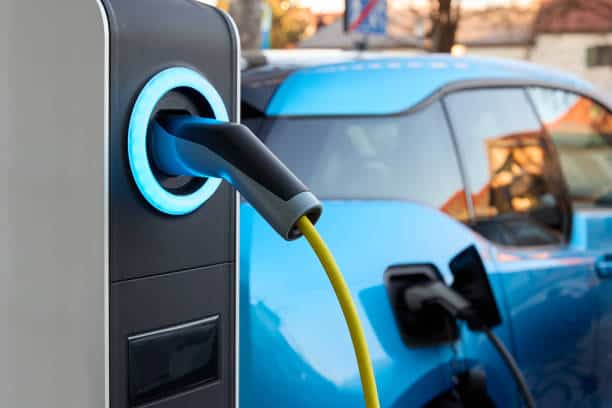
According to Next Move Strategy Consulting, the Italy Electric Vehicle (EV) Charging Market, is poised for significant growth, expected to reach USD 2132.2 million by 2030, reflecting a compound annual growth rate (CAGR) of 30.9% from 2023 to 2030. As electric vehicles (EVs) gain traction across the nation, the demand for EV charging infrastructure is set to surge, unlocking new opportunities for innovation and sustainable transportation solutions in Italy.
A Vital Component of Sustainable Mobility
Italy Electric Vehicle (EV) Charging Market are critical for connecting EVs to an electrical power source for battery recharging. They serve as the backbone of the growing electric transportation ecosystem, enabling the transition from conventional gasoline vehicles to electric-powered alternatives. Charging stations in Italy offer different charging speeds, with three primary levels:
Click Here for Your FREE Sample!
- Level 1 Charging: Slow charging, typically used for residential spaces, requiring 6 to 16 hours to fully charge an EV.
- Level 2 Charging: Faster charging, often installed in commercial spaces, offering a full charge within a few hours.
- Level 3 Charging (Ultra-Fast): The most rapid form of charging, capable of recharging an EV in under 30 minutes, which is ideal for long-distance travel and public charging stations.
As the adoption of electric vehicles increases, the need for various charging levels becomes more apparent, with higher-speed chargers being particularly sought after for their convenience in reducing charging time.
Government Support and Green Initiatives Drive Market Expansion
The Italian government’s commitment to fostering a sustainable, low-carbon economy is a major driver behind the expansion of the EV charging infrastructure. As part of its broader strategy to achieve net-zero carbon emissions, Italy has rolled out several incentives and subsidies to encourage the adoption of electric vehicles and the installation of EV charging stations.
Local Market Players Fueling Growth with Innovative Solutions
The involvement of local players in Italy’s EV charging sector is another crucial factor driving market growth. Key players such as BorgWarner, Enel X, Be Charge, Porsche Italia, and Eni gas e luce, among others, are actively developing and deploying EV charging infrastructure across the country. These companies are not only installing more charging stations but also innovating to offer faster charging speeds and more convenient charging solutions for Italian EV users.
As local players continue to invest in the expansion and innovation of EV charging infrastructure, the competitive landscape in Italy’s EV charging market is rapidly evolving. These efforts are crucial in enabling the country to meet the demands of a growing EV market and in ensuring a seamless charging experience for consumers.
Challenges to Market Growth: High Setup Costs for Fast Chargers
Despite the promising outlook, the EV charging market in Italy faces challenges related to the high initial installation costs of fast-charging stations, particularly Level 3 chargers. While Level 1 and Level 2 chargers are more affordable, the high setup costs of ultra-fast chargers remain a significant barrier to widespread adoption. These chargers, while essential for reducing charging time and improving convenience, can be cost-prohibitive for both businesses and consumers.
The long charging times associated with Level 1 and Level 2 chargers may also deter potential EV buyers, particularly those accustomed to the quick refueling times of traditional gasoline-powered vehicles. To address these concerns, stakeholders in the market must explore ways to reduce the upfront costs of fast-charging infrastructure and offer greater financial incentives to accelerate the adoption of higher-speed chargers.
The Rise of Vehicle-to-Grid (V2G) Charging Technology
One of the most exciting developments in the Italy EV charging market is the emergence of Vehicle-to-Grid (V2G) technology. V2G allows electric vehicles to not only charge from the grid but also to send excess energy back to the grid, effectively turning EVs into mobile energy storage units. This innovative technology enables a two-way energy exchange between the EV and the grid, helping to balance energy demand, reduce electricity costs, and improve the overall efficiency of the power system.
The development of V2G technology represents a major opportunity for the Italian EV charging market. For example, Enel Energia S.p.A. installed two V2G charging stations at the Italian Institute of Technology in Genoa as part of the MOV-E project, a Nissan-sponsored electric car-sharing initiative. This partnership underscores the growing role of V2G technology in reshaping the future of EV charging, offering manufacturers the chance to develop advanced charging solutions that can integrate with the grid and unlock new revenue streams for EV owners.
While V2G charging stations are more costly to implement than traditional charging infrastructure, the potential benefits—such as enhanced grid stability, lower energy costs, and the ability to generate income by selling excess energy—make it a promising avenue for growth in the future.
Competitive Landscape: Key Players in the Italy EV Charging Market
The Italy Electric Vehicle (EV) Charging Market is highly competitive, with both international and local companies driving the development of charging infrastructure. Key players include:
- Tesla Inc.
- ChargePoint Holdings Inc.
- ABB Ltd.
- Allego B.V.
- Shell Plc
- BMW Group
- Wallbox Inc.
- Atlante Energy
- Schneider Electric
- Siemens AG
- Battery Tender Inc.
- Blink Charging Co.
- Legrand North America, LLC
- Bosch Automotive Service Solutions LLC
- Kempower Oyj
These companies are actively involved in the installation of charging stations, as well as the development of cutting-edge charging solutions to meet the evolving needs of electric vehicle owners in Italy.
Market Segmentation and Key Growth Areas
The Italy Electric Vehicle (EV) Charging Market can be segmented into several key categories, each with unique growth opportunities:
- Type of Charger: AC Chargers, DC Chargers.
- Charging Speed: Level 1, Level 2, Level 3.
- Connector Type: J1772 (Type 1), Mennekes (Type 2), CCS (Combined Charging System), CHAdeMO.
- Charging Modes: Mode 1, Mode 2, Mode 3, Mode 4.
- Installation: Fixed, Portable.
- End-User: Commercial (Public EV Charging Stations, Highway Charging Stations, Fleet Charging Stations, Workplace Charging Stations), Residential.
The commercial sector, including public charging stations, fleet charging stations, and highway charging stations, is expected to experience significant growth in the coming years. The residential sector also shows considerable potential for growth as more Italian consumers opt for affordable and convenient home charging solutions.
Conclusion: A Bright Future for Italy’s EV Charging Market
The future of the Italy Electric Vehicle (EV) Charging Market looks exceptionally promising, with a projected CAGR of 30.9% from 2023 to 2030. Driven by supportive government policies, growing environmental awareness, and the emergence of innovative technologies such as V2G, the market is poised for transformative growth.
