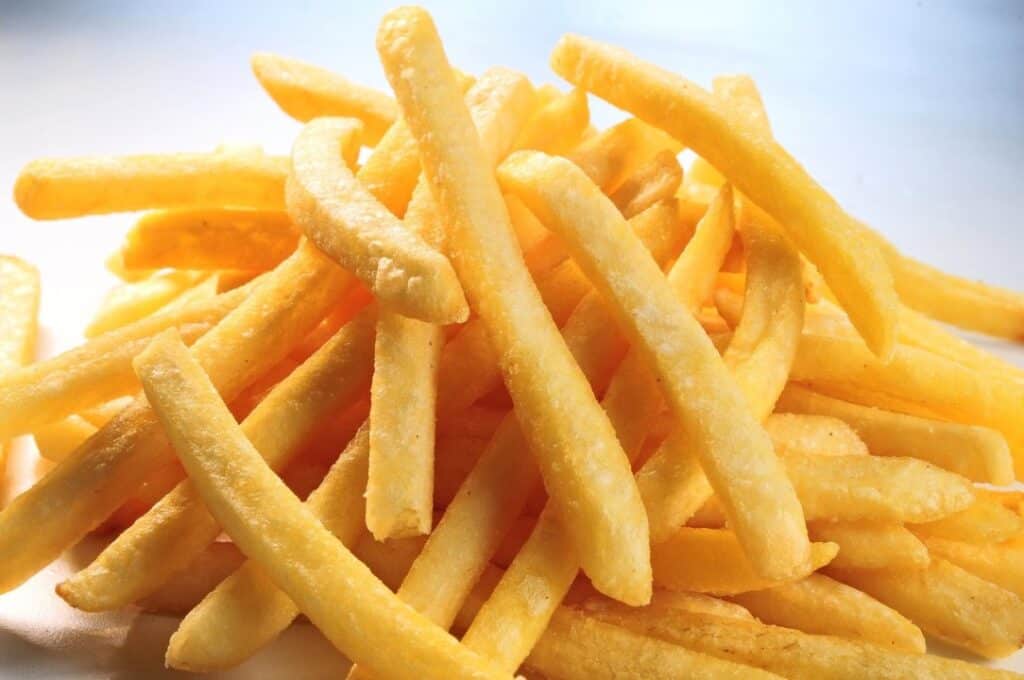
The global Frozen Potato Market is on track for substantial growth, driven by increasing demand for convenience, cost-effective meal solutions, and a rising awareness of the nutritional benefits of frozen potatoes. As consumers seek healthier and more time-efficient food options, the frozen potato sector is poised for an upward trajectory. With advancements in product innovation, packaging, and distribution, the market is attracting significant attention from both foodservice providers and retail consumers alike.
Market Overview and Trends
Frozen Potato Market, which includes a variety of products such as fries, hash browns, and mashed potatoes, have become a staple in households and foodservice operations worldwide. Due to their ease of preparation, long shelf life, and affordability, frozen potatoes are increasingly seen as an essential part of many consumers’ diets. The market for frozen potato products was valued at USD 90.52 billion in 2030 and is projected to grow at a compound annual growth rate (CAGR) of 4.6% from 2021 to 2028.
Click Here for Your FREE Sample!
Health and Nutritional Benefits Driving Market Growth
While frozen potatoes are often associated with convenience, they are also gaining recognition for their nutritional value. When prepared and frozen at the peak of freshness, potatoes retain many of their essential vitamins and minerals, such as potassium, vitamin C, and fiber. This has led to an increasing acceptance of frozen potato products as a nutritious addition to meals.
Innovations and Product Developments
The frozen potato market is characterized by constant innovation. Leading players are developing new varieties and forms of frozen potato products to cater to diverse consumer preferences. The introduction of gourmet fries, sweet potato-based products, and flavored potato snacks is driving the growth of the frozen potato sector.
Additionally, packaging innovations are enhancing the appeal of frozen potatoes. Single-serve packaging, portion-controlled packs, and eco-friendly packaging solutions are becoming increasingly popular, as consumers seek convenience while also becoming more environmentally conscious. Manufacturers are also exploring new methods of freezing and preservation to maintain product quality and extend shelf life.
Click Here for Your FREE Sample!
Competitive Landscape and Key Market Players
The frozen potato market is highly competitive, with several key players dominating the global landscape. Among the leading companies are:
- McCain Foods – A global leader in frozen potato products, McCain has consistently invested in product innovation and sustainable practices, solidifying its position in the market.
- Lamb Weston – Another major player, Lamb Weston offers a broad range of frozen potato products for both the retail and foodservice industries. Their portfolio includes frozen fries, wedges, and specialty potato products.
- J.R. Simplot Company – Known for its extensive frozen potato offerings, J.R. Simplot has built a strong presence in the market with products like frozen French fries, hash browns, and tater tots.
- ConAgra Foods – Through its brand, Healthy Choice, ConAgra has tapped into the growing demand for healthier frozen potato products.
These companies continue to focus on expanding their product portfolios, improving production processes, and increasing their geographical reach through strategic partnerships, mergers, and acquisitions.
Regional Insights and Growth Opportunities
The global frozen potato market is expanding across all regions, with North America holding the largest market share. In the U.S., frozen potatoes are a common household food, with fries being a major part of the consumer diet. The rise of fast-food chains and foodservice operations in the region has fueled the demand for frozen potatoes.
The Asia-Pacific region is expected to witness the highest growth in the frozen potato market, with increasing urbanization, rising disposable incomes, and changing dietary preferences. As fast-food culture becomes more widespread in countries like China and India, the demand for frozen potato products, especially French fries, is on the rise.
Emerging markets in Latin America and the Middle East and Africa are also contributing to the global growth of the frozen potato market. In these regions, there is a growing demand for frozen food products, and frozen potatoes are increasingly seen as a convenient and affordable option for consumers.
Supply Chain Dynamics and Distribution Channels
The supply chain for frozen potatoes involves various stakeholders, including potato farmers, processors, distributors, and retailers. In recent years, the supply chain has become more streamlined, with manufacturers investing in technology to enhance traceability, efficiency, and product quality. The use of cold storage and transportation solutions is vital to maintaining the freshness and quality of frozen potatoes as they move from production facilities to retailers and consumers.
Retail distribution channels dominate the frozen potato market, with supermarkets and hypermarkets being the primary outlets for frozen potato products. However, the foodservice sector is also a significant contributor to market growth. Quick-service restaurants (QSRs), fast food chains, and casual dining establishments are major consumers of frozen potato products, particularly French fries, which are a staple in many fast-food menus.
E-commerce is emerging as an important distribution channel, especially in the post-pandemic era. Online grocery shopping and food delivery platforms have gained significant traction, and frozen potato brands are increasingly capitalizing on this trend by offering their products through digital platforms.
Market Challenges
While the outlook for the frozen potato market is positive, several challenges could impact its growth. One of the primary concerns is the volatility of raw material prices. Potatoes are subject to fluctuations in supply due to factors such as weather conditions, pests, and transportation costs. This can impact the profitability of frozen potato producers and lead to price increases for consumers.
In addition, the market faces challenges related to health perceptions. Despite the growing popularity of frozen potatoes, some consumers remain concerned about the health implications of processed foods, particularly in relation to sodium content, preservatives, and frying methods. Manufacturers are addressing these concerns by offering healthier alternatives, such as baked or air-fried frozen potatoes, and emphasizing the nutritional benefits of potatoes.
Conclusion
The frozen potato market is poised for steady growth, driven by increasing consumer demand for convenience, health-conscious options, and product innovation. As the global population continues to grow and urbanization accelerates, the demand for frozen potatoes will likely expand, particularly in emerging markets.
