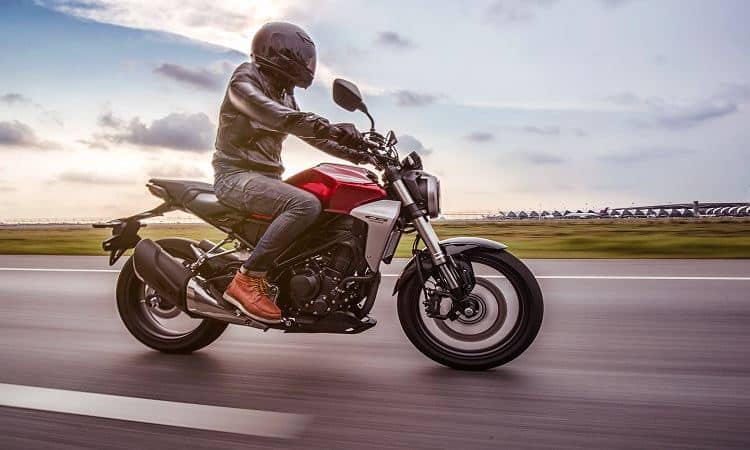
The global electric bike (e-bike) market is predicted to reach USD 109.53 billion with a CAGR of 10.21% till 2030. This growth is primarily driven by increasing environmental concerns, the rising need for sustainable transportation options, and advancements in e-bike technology that make them more affordable and accessible to a wider range of consumers.
Market Overview: E-Bikes as a Sustainable Alternative to Traditional Transportation
Electric bike market, powered by rechargeable batteries and electric motors, are gaining traction as a cleaner and more energy-efficient mode of transportation. With the global push for reducing carbon emissions and promoting eco-friendly mobility, e-bikes offer a practical solution for reducing air pollution, minimizing traffic congestion, and improving urban mobility. Additionally, e-bikes are seen as an affordable alternative to electric cars, offering the benefits of electric mobility without the higher price tag.
Explore the Benefits with a FREE Sample!
The shift toward electric bikes is also being fueled by changing consumer attitudes towards environmental sustainability, as well as the increasing adoption of smart technologies in the transportation sector. E-bikes are increasingly being recognized for their health and wellness benefits, providing an enjoyable way to commute, exercise, and explore the outdoors.
Key Market Drivers
- Growing Environmental Concerns
As urban areas face growing challenges with air pollution, traffic congestion, and carbon emissions, governments and consumers are increasingly seeking sustainable transportation alternatives. E-bikes, which produce zero emissions and offer an energy-efficient mode of travel, are seen as an ideal solution to address these environmental concerns. E-bike adoption is being actively encouraged by governments through subsidies, tax incentives, and favorable regulations. - Rising Fuel Prices and Cost of Ownership
With rising fuel prices and increasing costs associated with owning and maintaining traditional vehicles, consumers are turning to more cost-effective alternatives. Electric bikes offer lower operating costs compared to cars, as they require less maintenance and have lower fuel costs (charging electric batteries is significantly cheaper than gasoline). This cost-effectiveness, combined with government incentives for electric vehicle adoption, makes e-bikes an attractive option for consumers. - Technological Advancements in E-Bike Design
Advancements in battery technology, motor efficiency, and lightweight materials are making electric bikes more accessible, efficient, and affordable. Improved battery life, faster charging times, and longer ranges are addressing the concerns of consumers who were previously deterred by the limitations of earlier e-bike models. Additionally, the integration of smart features such as GPS tracking, mobile apps, and advanced user interfaces is making e-bikes more appealing to tech-savvy consumers.
Market Segmentation
- By Type
- Pedal Assist E-Bikes: These e-bikes provide electric assistance when the rider pedals. The motor kicks in to help the rider maintain speed and ease the physical effort, making it ideal for commuting or long-distance cycling.
- Throttle E-Bikes: These e-bikes allow the rider to control the motor through a throttle, similar to a scooter. They are more suitable for individuals who want a fully assisted ride without needing to pedal.
- Pedelecs (Pedal Electric Cycle): The most common type of e-bike, pedelecs provide a boost to pedaling, making it easier to ride up hills and over long distances.
- By Battery Type
- Lithium-Ion (Li-ion): Li-ion batteries are the most popular type of battery for e-bikes due to their high energy density, lightweight design, and long lifespan.
- Lead-Acid: Lead-acid batteries are less common in modern e-bikes, but they are more affordable. However, they are heavier, less efficient, and have a shorter lifespan compared to lithium-ion batteries.
- By Application
- Commuting and Leisure: E-bikes used for daily commuting to work or school are driving significant market growth, as are bikes used for recreational purposes such as weekend rides and outdoor adventures.
- Cargo E-Bikes: Cargo e-bikes are increasingly being used for transporting goods and heavy loads, especially in urban environments where traffic congestion makes traditional delivery vehicles inefficient.
- Tourism and Rentals: E-bikes are becoming popular for guided tours and rentals, especially in cities and tourist destinations. The ease of use and ability to explore large areas without tiring out the rider make e-bikes a favorite for tourists.
Conclusion
The global electric bike market is experiencing rapid growth, fueled by a combination of environmental concerns, increasing urbanization, and the growing demand for sustainable, cost-effective transportation solutions. As technology continues to improve, e-bikes are becoming more accessible and efficient, driving broader adoption across different regions and consumer segments. With their numerous benefits for the environment, health, and convenience, e-bikes are set to become a mainstream mode of transportation in the coming years.
