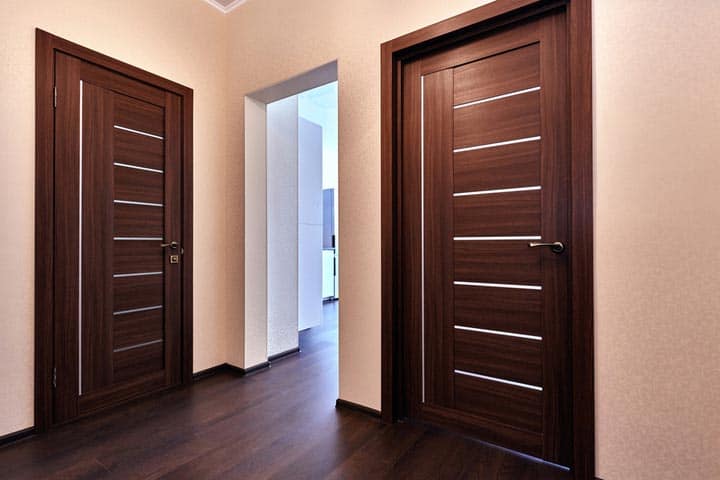
The global interior doors market is poised for significant growth, driven by rising demand for aesthetic, functional, and energy-efficient solutions in residential and commercial spaces. As architectural trends evolve and consumer preferences shift toward enhanced home design and comfort, the interior doors market is predicted to reach USD 86.52 billion with a CAGR of 3.9% till 2030.
Market Overview
Interior doors market are essential elements of both residential and commercial interior design, providing privacy, security, and separation of living or working spaces. With advancements in materials, design innovations, and functionality, interior doors have become not only practical but also a key component of a home or building’s aesthetic appeal. Whether in homes, offices, or commercial establishments, the growing emphasis on interior design, energy efficiency, and smart technology integration is driving demand for high-quality, versatile interior doors.
Don’t Miss Out! Get Your FREE Sample!
Key Drivers of Market Growth
- Increasing Focus on Energy Efficiency and Sustainability: With growing awareness of environmental concerns, consumers are increasingly seeking energy-efficient products for their homes and offices. Interior doors, especially those made from insulated or eco-friendly materials, are seen as an important part of improving a building’s energy efficiency. Doors that help with temperature regulation by preventing heat loss or gain are particularly appealing in regions with extreme weather conditions. The use of sustainable materials, such as recycled wood, low-VOC paints, and energy-efficient glazing, is also contributing to the growth of the market as environmentally conscious consumers prioritize green products.
- Urbanization and Growth in the Residential Construction Sector: Rapid urbanization, particularly in emerging economies, has resulted in a growing demand for both new residential properties and renovations of existing buildings. As urban populations increase and people invest in better-quality living spaces, the need for stylish and durable interior doors is rising. The demand for modern homes with a focus on both functionality and design is fueling growth in the residential construction sector, thereby driving the interior doors market. Additionally, the trend of smaller living spaces in urban areas has led to a rise in demand for space-saving door designs, such as sliding doors and bi-fold doors.
- Advancements in Smart Home Technology: As the smart home industry continues to expand, interior doors are becoming more integrated with modern technology. Smart interior doors that feature security-enhancing mechanisms, such as keyless entry systems, biometric access, or automatic closing mechanisms, are gaining traction. These innovations are especially popular in high-end residential and commercial spaces, where convenience, security, and technology integration are prioritized. With the increasing adoption of smart home devices, the demand for interior doors that can seamlessly integrate with these systems is expected to rise.
Click Here for Your FREE Sample!
Market Segmentation
The global interior doors market is segmented by material, product type, end-use, and region.
- By Material:
- Wooden Doors: Traditional wooden doors continue to dominate the market due to their aesthetic appeal, versatility, and durability. Wood provides an ideal balance between design and functionality, making it a popular choice in both residential and commercial spaces.
- Glass Doors: Glass doors are gaining popularity, particularly in modern homes and office spaces, as they offer a contemporary look while allowing natural light to flow between rooms. Frosted and tempered glass doors are also becoming increasingly common for privacy-focused applications.
- Fiberglass Doors: Known for their durability and energy efficiency, fiberglass doors are increasingly favored in residential and commercial spaces, especially in areas with extreme weather conditions.
- Metal Doors: Metal doors, including steel and aluminum options, are commonly used in commercial applications for their robustness, security, and ability to withstand wear and tear.
- Others: Includes doors made from composite materials, PVC, and other innovative, sustainable options.
- By Product Type:
- Hinged Doors: The most traditional and widely used type of interior door, hinged doors are available in various sizes and designs and are suitable for a variety of applications.
- Sliding Doors: Popular in modern homes and offices, sliding doors offer a space-saving solution and are often used for closets, bathrooms, and large open areas.
- Bi-Fold Doors: Common in spaces that require a compact solution, bi-fold doors are increasingly used in living rooms, kitchens, and closets.
- French Doors: These elegant double doors are often used to create a stylish and open feel between rooms, commonly seen in homes with a traditional or luxury design.
- Other Types: Includes pocket doors, barn doors, and custom door designs.
- By End-Use:
- Residential: The largest segment, driven by the increasing demand for interior doors in new housing developments, home renovations, and remodeling projects.
- Commercial: Offices, hotels, hospitals, and other commercial buildings require high-quality, durable interior doors to meet safety, aesthetic, and functional needs.
- Industrial: Industrial applications often require specialized doors that meet specific safety and operational needs, such as fire-resistant or heavy-duty doors.
Challenges and Restraints
Despite strong growth potential, the interior doors market faces challenges such as fluctuating raw material prices and competition from low-cost manufacturers. Additionally, maintaining product quality while meeting evolving design trends and regulatory standards poses ongoing challenges for manufacturers.
Competitive Landscape
Key players in the interior doors market include companies such as Masonite International, Jeld-Wen, and ASSA ABLOY, who are focused on product innovation, quality, and expanding their global presence. These companies are increasingly investing in technology, sustainability, and customization options to cater to evolving consumer preferences.
Conclusion
The global interior doors market is experiencing strong growth, driven by the demand for innovative, functional, and aesthetically pleasing designs. As consumers continue to prioritize home comfort, energy efficiency, and smart technology, the market will continue to evolve, offering exciting opportunities for manufacturers and consumers alike.
