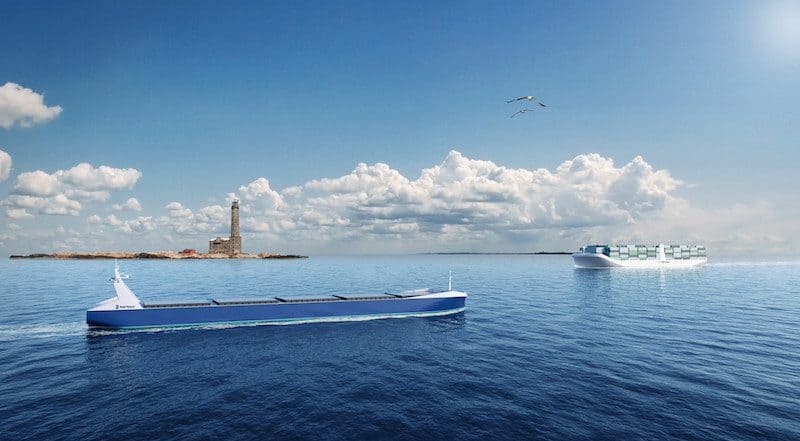
The global autonomous ships market is on the verge of major transformation, poised for robust growth over the next decade. Driven by advancements in artificial intelligence (AI), automation technologies, and growing demand for safer, more efficient maritime operations, the market is predicted to reach USD 10.74 billion with a CAGR of 4.5% till 2030. The rise of autonomous ships is set to revolutionize the maritime industry, offering new opportunities for enhanced operational efficiency, reduced human error, and environmental sustainability.
Market Overview
Autonomous ships market, also known as crewless or unmanned vessels, are vessels that operate with minimal or no human intervention. These ships utilize a combination of AI, machine learning, sensor technology, and advanced communication systems to navigate, monitor, and control their operations autonomously. The integration of autonomous ships in commercial and military fleets is expected to change the way goods are transported across seas and oceans, bringing about innovations in logistics, safety, and operational cost-efficiency.
Explore the Benefits with a FREE Sample!
Key Drivers of Market Growth
- Cost Reduction and Efficiency Gains: One of the major drivers for the adoption of autonomous ships is the potential for significant cost savings. Autonomous vessels eliminate the need for human crews, reducing labor costs, and minimizing risks related to human error, which is a leading cause of maritime accidents. Moreover, autonomous ships can optimize fuel consumption and improve route planning by leveraging real-time data analysis, leading to more fuel-efficient and cost-effective operations.
- Environmental Benefits: Autonomous ships are expected to significantly reduce the environmental impact of shipping. These vessels can be optimized for fuel efficiency, reducing emissions, and helping to meet increasingly stringent environmental regulations. The ability to autonomously optimize routes and speed also contributes to reduced fuel consumption, lowering the carbon footprint of the shipping industry. As governments and international organizations push for more sustainable practices in shipping, autonomous ships offer a compelling solution for a greener maritime industry.
- Increasing Safety and Risk Reduction: Human error is responsible for a significant percentage of maritime accidents, including collisions, groundings, and oil spills. Autonomous ships, with their advanced sensors, AI-driven decision-making, and ability to constantly monitor their environment, can reduce the likelihood of such accidents. Furthermore, the integration of emergency response systems, like autonomous collision avoidance and real-time alerting, enhances maritime safety, providing a critical layer of protection for crew, cargo, and the environment.
- Technological Advancements in Automation and AI: Rapid advancements in automation, AI, and sensor technologies are the primary drivers of growth in the autonomous ships market. These technologies enable ships to operate safely and efficiently without human intervention, with the ability to process large amounts of data in real time, make decisions, and adapt to changing environments. Innovations in navigation systems, machine learning algorithms, and communication technologies are paving the way for autonomous ships to operate safely in diverse and unpredictable marine conditions.
Click Here for Your FREE Sample!
Market Segmentation
The global autonomous ships market is segmented based on type, application, technology, and region.
- By Type:
- Fully Autonomous Ships: These vessels operate without any human intervention on board, from navigation to operational control.
- Partially Autonomous Ships: These vessels are equipped with automated systems but still require some human involvement in critical tasks or during emergencies.
- By Application:
- Cargo Shipping: Autonomous ships are expected to revolutionize the cargo shipping industry by improving operational efficiency, reducing costs, and enabling round-the-clock operations.
- Passenger Shipping: While still in the early stages, autonomous passenger ships hold promise for reducing operating costs and improving safety in the cruise industry.
- Naval and Defense: Military and defense applications are also embracing autonomous ships for surveillance, reconnaissance, and logistics operations.
- Offshore Operations: Autonomous vessels are being deployed for offshore exploration and maintenance operations, reducing the need for human presence in hazardous environments.
- By Technology:
- AI and Machine Learning: These technologies enable autonomous ships to make decisions based on real-time data, adapt to environmental conditions, and optimize routes.
- Sensor Technology: LIDAR, radar, cameras, and GPS systems are essential for providing real-time environmental data, ensuring safe navigation and collision avoidance.
- Communication Systems: Advanced communication technologies enable real-time communication between autonomous ships, control centers, and other vessels, ensuring safe operation and compliance with regulations.
Challenges and Restraints
Despite the promising growth prospects, the autonomous ships market faces challenges such as the high development and integration costs of autonomous systems, cybersecurity concerns, and regulatory hurdles. Additionally, the transition to fully autonomous vessels will require significant investments in infrastructure and global coordination to ensure safety, navigation standards, and operational efficiency.
Conclusion
The autonomous ships market is at the cusp of a major transformation in the maritime industry, driven by technological advancements, increased demand for operational efficiency, and growing concerns about environmental sustainability. As the industry continues to embrace automation and AI-driven solutions, autonomous ships will play a pivotal role in shaping the future of global shipping, offering unprecedented levels of safety, cost efficiency, and environmental responsibility.
