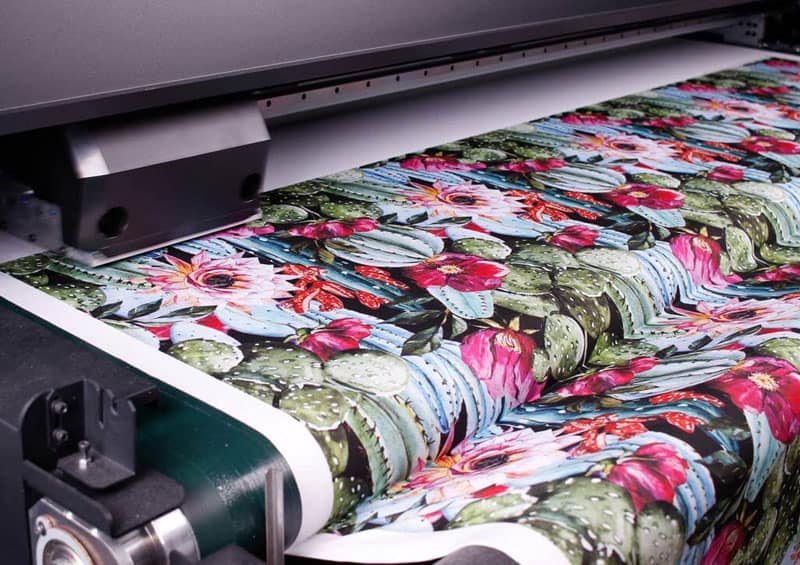
The global Digital Textile Printing Machine Market is poised for significant growth in the coming years, driven by increasing demand for customized textiles, sustainability, and technological advancements in printing techniques. With industries across fashion, interior décor, and textiles adopting digital printing for more efficient and eco-friendly production, the market for digital textile printing machines is expanding rapidly. This press release explores the current state of the market, key trends, driving factors, challenges, and future opportunities.
Market Overview
Digital Textile Printing Machine Market represents a modern approach to printing on fabrics, offering faster turnaround times, enhanced print quality, and the ability to print on demand with greater flexibility. The global market for digital textile printing machines is expected to reach over USD 15.11 billion by 2030, growing at a compound annual growth rate (CAGR) of 7.8%.
Click Here for Your FREE Sample!
Market Drivers
- Increased Demand for Customization: As consumer preferences shift toward personalized and unique designs, digital textile printing has gained popularity due to its ability to produce high-quality, custom prints on-demand. This is especially beneficial in the fashion and home décor sectors, where customization is a key selling point.
- Sustainability and Eco-Friendliness: Traditional textile printing methods often involve large amounts of water, chemicals, and energy. In contrast, digital textile printing reduces water usage, minimizes waste, and employs eco-friendly ink technologies. As sustainability becomes a central theme for both consumers and businesses, digital textile printing offers a more environmentally friendly alternative.
Market Segmentation
The digital textile printing machine market can be segmented based on type of machine, application, end-user, and region.
- By Type of Machine:
- Roll-to-Roll Digital Textile Printing Machines: These machines are designed for printing on continuous rolls of fabric, making them ideal for large-scale production of textile products. Roll-to-roll printers are commonly used in the production of garments, home textiles, and industrial fabrics.
- Flatbed Digital Textile Printing Machines: Flatbed printers are used for printing on flat materials such as fabrics, sheets, and pre-cut pieces of textile. These printers are typically used for smaller runs or specialized printing on items like home décor products, banners, or upholstery.
- By Ink Type:
- Reactive Inks: Reactive inks are used for printing on cotton and other natural fibers. These inks offer vibrant colors and good color fastness, making them ideal for fashion and home textile applications.
- Disperse Inks: Disperse inks are used for printing on polyester and synthetic fabrics. These inks provide high-quality results with excellent durability, especially in sportswear and activewear production.
- By Application:
- Fashion and Apparel: Digital textile printing has become a game-changer for the fashion industry, offering the flexibility to create unique, on-demand prints. Designers can now produce limited-edition garments, customized collections, and rapid-response clothing lines.
- Home Textiles: The demand for digitally printed home textiles, such as bed linens, curtains, and upholstery fabrics, has surged due to the growing preference for customized and unique designs in home décor.
- Industrial Textiles: Digital printing is also making its way into the industrial textile sector, where it is used to print fabrics for applications like automotive seat covers, technical textiles, and geotextiles.
- By End-User:
- Textile Manufacturers: Large textile manufacturing companies are increasingly investing in digital textile printing machines to stay competitive in the fast-paced market. These manufacturers use digital printing for high-quality mass production and to meet demand for customized designs.
- Fashion Designers: Independent and established fashion designers are adopting digital printing technology to create unique, one-of-a-kind clothing pieces and small-run collections.
- By Region:
- North America: North America, led by the U.S., is one of the largest markets for digital textile printing machines. The demand for customization, coupled with the presence of key players in the market, has contributed to this growth. The region is also witnessing significant advancements in sustainable printing technologies.
- Europe: Europe has a strong presence in the textile printing industry, with countries like Germany, the UK, and Italy leading the way. The demand for eco-friendly and sustainable textile production is driving the growth of digital textile printing in this region.
- Asia-Pacific: The Asia-Pacific region is expected to experience the fastest growth in the digital textile printing market, driven by rapid industrialization, expanding textile production capabilities, and increasing demand for custom fabrics. Countries like China, India, and Japan are the primary contributors to this growth.
Key Market Trends
- Rise of Sustainable Printing Technologies: There is a growing focus on reducing the environmental impact of textile production, and digital textile printing offers a solution. The use of eco-friendly inks, reduction in water consumption, and the ability to print on demand are all contributing to the market’s shift toward sustainability.
- Integration of Automation and AI: As the demand for faster production speeds and more complex designs increases, digital textile printing manufacturers are integrating Artificial Intelligence (AI) and automation into their machines. These technologies help optimize print quality, reduce downtime, and improve overall efficiency.
Click Here for Your FREE Sample!
Competitive Landscape
The digital textile printing market is competitive, with key players focusing on technological innovation, customer customization, and strategic partnerships to enhance their market position. Key players include:
- Epson: Epson is a global leader in digital textile printing, known for its wide range of inkjet printers for both textile and garment printing. The company is continuously innovating its printer models to cater to the needs of fashion designers, textile manufacturers, and printers worldwide.
- Kornit Digital: Kornit Digital specializes in digital textile printing solutions, particularly in the garment printing segment. The company’s technologies offer direct-to-garment (DTG) and direct-to-fabric (DTF) solutions, enabling high-quality, on-demand printing for fashion brands.
- Mimaki Engineering: Mimaki is a prominent player in the digital textile printing market, offering inkjet printing solutions for both roll-to-roll and flatbed textile printing. Mimaki’s products are known for their precision and versatility, catering to applications ranging from fashion to industrial textiles.
- Ricoh Company: Ricoh’s textile printing solutions are aimed at high-performance, eco-friendly printing, offering solutions for both mass production and small-run custom designs. The company has been instrumental in developing digital textile printing technologies that reduce energy consumption and waste.
Challenges and Future Outlook
Despite its growth, the digital textile printing market faces challenges related to the high initial cost of machinery, limited ink compatibility, and the need for skilled operators. However, advancements in technology and the increasing demand for customized and sustainable textiles are expected to drive the market forward.
Conclusion
The digital textile printing machine market is set to witness continued growth, driven by technological advancements, increased customization demands, and sustainability trends. As digital printing technologies evolve, the market will see further innovations, opening new opportunities in various textile sectors.
