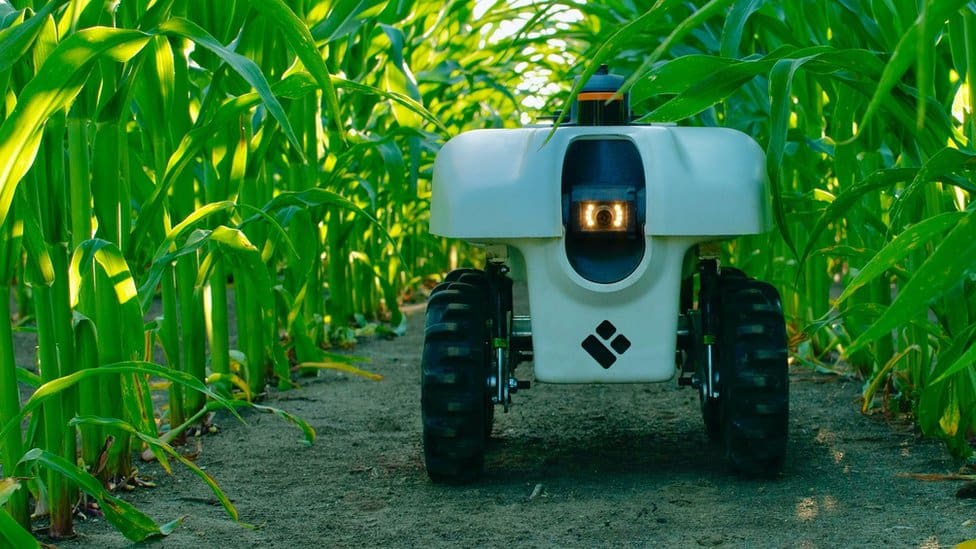
The Sweden Agriculture Robots Market is embracing advanced technologies to meet the increasing demand for efficient farming practices, and the agriculture robots market is poised for significant expansion. With advancements in robotics, artificial intelligence (AI), and automation, Sweden’s agriculture sector is experiencing a transformation that is streamlining processes, improving yields, and reducing labor costs.
The market for agriculture robots in Sweden is projected to grow at a compound annual growth rate (CAGR) of 17.9% from 2024 to 2034, with total market revenue reaching 135.11 million by 2034. The growing adoption of precision farming techniques, supported by Sweden’s push towards sustainability, is driving the market’s expansion.
Market Overview
Sweden Agriculture Robots Market is highly innovative, with an increasing focus on sustainable farming practices. The country has long been at the forefront of adopting technology-driven solutions to address challenges related to climate change, labor shortages, and the need for efficient resource management. Agriculture robots, which are designed to automate and optimize farming processes, are a key component of Sweden’s agricultural transformation.
Click Here for Your FREE Sample!
Key Drivers of Market Growth
- Adoption of Precision Agriculture: Precision agriculture refers to the use of advanced technology to monitor and manage agricultural practices with high precision. Robotics plays a significant role in precision agriculture, enabling farmers to collect real-time data and make informed decisions. Swedish farmers are increasingly adopting robotics to monitor soil conditions, assess crop health, and optimize irrigation, resulting in more efficient farming operations and improved crop yields.
- Sustainability and Environmental Awareness: Sweden has long been committed to sustainability, and this ethos extends to the agricultural sector. Agricultural robots help farmers reduce their environmental impact by minimizing pesticide use, optimizing water consumption, and decreasing fuel consumption. The Swedish government’s focus on green technologies and reducing carbon emissions is encouraging farmers to adopt automation solutions to meet environmental goals and improve sustainability.
Click Here for Your FREE Sample!
Market Segmentation
The Swedish agriculture robots market can be segmented based on type, application, and region.
By Type
- Autonomous Tractors: Autonomous tractors are among the most widely adopted agricultural robots in Sweden. These self-driving machines are used for a variety of tasks, including plowing, seeding, and fertilizing. With GPS and AI technology, autonomous tractors are capable of performing tasks with high precision, reducing fuel consumption and optimizing resource use.
- Robotic Harvesters: Harvesting crops like fruits, vegetables, and grains is one of the most labor-intensive tasks in farming. Robotic harvesters are designed to automate the harvesting process, improving efficiency and reducing labor costs. In Sweden, robotic harvesters are increasingly used in fruit and vegetable farms to enhance productivity.
By Application
- Crop Management: Agriculture robots are used extensively in crop management, which includes tasks such as planting, monitoring, and maintaining crops. The use of autonomous systems in crop management helps farmers optimize the growth of their crops by monitoring soil quality, detecting pests, and applying fertilizers and pesticides in a more targeted and efficient manner.
- Livestock Management: While crop farming dominates the Swedish agriculture sector, livestock farming is also an important application for agricultural robots. Robotic systems are used for tasks such as milking, feeding, and monitoring the health of livestock. These systems help reduce labor costs and improve animal welfare.
- Harvesting: Robotic harvesters are transforming the harvesting process by automating the collection of fruits, vegetables, and grains. Swedish farmers are increasingly adopting harvesting robots to handle labor-intensive tasks, reduce crop loss, and improve the efficiency of harvesting operations.
By Region
- Southern Sweden: The southern region of Sweden is known for its large-scale crop farming operations, including the cultivation of fruits and vegetables. The adoption of agriculture robots is particularly high in this region due to the need for labor-saving technologies and precision farming techniques.
- Central Sweden: Central Sweden, which has a mix of both crop farming and livestock management, is seeing a growing interest in agricultural robots for various applications. These technologies are being used to optimize both crop and livestock management, improving overall farm productivity.
- Northern Sweden: Although the northern region has a less extensive agricultural landscape, there is still potential for growth in the agriculture robots market. With a focus on sustainability and efficiency, farmers in northern Sweden are increasingly turning to automation to enhance productivity and meet environmental goals.
Future Outlook and Market Forecast
The Sweden agriculture robots market is expected to continue its rapid growth, driven by technological advancements, government incentives, and the increasing demand for sustainable and efficient farming practices. With the continued adoption of precision agriculture, automation, and AI technologies, the market is expected to evolve further, offering innovative solutions that improve farm productivity while reducing environmental impact.
Conclusion
The Sweden agriculture robots market is undergoing a transformation, driven by technological advancements, government support, and the growing demand for sustainable farming practices. As Swedish farmers adopt automation to overcome labor shortages and improve efficiency, the market is set for strong growth in the coming years. With innovations in AI, robotics, and precision farming, the future of Sweden’s agricultural industry looks promising, ensuring higher productivity and sustainability for the long term.
