The global botulinum toxin market is poised for substantial growth, driven by the rising popularity of aesthetic treatments, expanding therapeutic applications, and increasing consumer awareness about non-invasive procedures. Botulinum toxin, widely recognized under brand names like Botox, Dysport, and Xeomin, is a neurotoxic protein used in both cosmetic and medical applications to treat various conditions ranging from wrinkles to chronic medical disorders. As the demand for minimally invasive procedures continues to rise and new indications for botulinum toxin emerge, the market is set to expand rapidly over the next few years.
The global Botulinum Toxin Market is predicted to reach USD 11.68 billion, with a CAGR of 8.5% by 2030. Botulinum toxin’s ability to temporarily relax muscles makes it a popular solution for cosmetic procedures such as wrinkle reduction and facial contouring. Additionally, it is increasingly being utilized for therapeutic purposes in the treatment of conditions such as chronic migraines, overactive bladder, and spasticity. As the number of medical and cosmetic uses grows, botulinum toxin is becoming an integral part of both the beauty and healthcare industries.
Claim Your FREE Sample and See the Difference!
Aesthetic Medicine: A Strong Market Driver
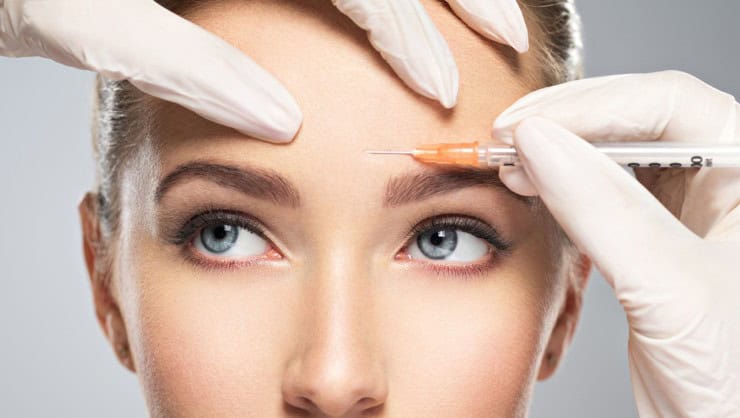
The aesthetic segment remains the dominant driver of the botulinum toxin market, with millions of individuals worldwide seeking non-surgical treatments for skin rejuvenation and wrinkle reduction. Botulinum toxin injections are a popular choice for individuals looking to smooth fine lines, especially around the eyes, forehead, and mouth. These non-invasive treatments provide noticeable results with little downtime, making them an attractive option for those looking to maintain a youthful appearance without the need for surgery.
Stay Ahead with the Latest News
As the demand for aesthetic procedures increases, botulinum toxin treatments are no longer reserved for the affluent few. Rising disposable incomes, growing social media influence, and increasing awareness about non-surgical procedures have democratized access to these treatments. In addition, younger demographics are also seeking botulinum toxin treatments as part of preventative measures, aiming to preserve skin elasticity and reduce the appearance of wrinkles before they become more pronounced.
The acceptance of botulinum toxin in mainstream beauty and wellness routines is further amplified by celebrity endorsements and social media platforms, where users frequently share their experiences and results. As more people seek out minimally invasive procedures, the global market for botulinum toxin is experiencing a significant boost.
Expanding Therapeutic Applications
While botulinum toxin is most commonly associated with cosmetic treatments, its therapeutic applications have expanded rapidly in recent years. Beyond wrinkle treatment, botulinum toxin is increasingly being used in the management of a variety of medical conditions. One of the most notable uses is in the treatment of chronic migraines. Studies have shown that botulinum toxin injections can significantly reduce the frequency and intensity of migraine attacks, making it a preferred treatment option for patients who have not responded to other therapies.
In addition to migraines, botulinum toxin is also used to treat conditions such as hyperhidrosis (excessive sweating), spasticity (muscle stiffness), and overactive bladder. Its ability to block nerve signals and relax muscles makes it an effective solution for treating these disorders. Furthermore, ongoing research is exploring additional therapeutic uses for botulinum toxin in conditions like temporomandibular joint (TMJ) disorders, facial asymmetry, and even depression.
As the range of medical indications for botulinum toxin continues to expand, the demand for these treatments is likely to rise in both developed and emerging markets. Healthcare professionals are increasingly recognizing botulinum toxin as a versatile tool in the treatment of a wide array of conditions, further driving market growth.
Technological Advancements and Innovations
Advancements in botulinum toxin formulations and delivery systems are helping to further expand the market. Companies are focusing on developing more refined products that provide longer-lasting results, reduced side effects, and greater precision in injection techniques. Additionally, the development of new botulinum toxin formulations with fewer antigens (the components responsible for immune response) is improving the safety and efficacy of treatments.
The emergence of combination therapies—using botulinum toxin in conjunction with other procedures such as dermal fillers or laser treatments—is also boosting the popularity of botulinum toxin. These combination treatments offer enhanced results and are becoming increasingly popular in aesthetic medicine.
The growth of telemedicine and at-home treatments also presents new opportunities for botulinum toxin providers. Virtual consultations and online platforms are making it easier for patients to access botulinum toxin treatments, even in remote areas. Furthermore, the rise of at-home injectable devices is expected to bring new market dynamics, although this raises important safety and regulatory considerations.
Market Challenges and Regulatory Considerations
Despite its growing popularity, the botulinum toxin market faces several challenges. One of the main obstacles is the need for proper training and skill in administering botulinum toxin injections. Incorrect injection techniques can result in undesirable outcomes, including asymmetry or muscle weakness. Ensuring that t professionals are adequately trained is crucial to maintaining patient safety and satisfaction.
Regulatory hurdles also play a role in the market’s expansion. While botulinum toxin is approved for use in many countries, approval processes vary by region, and the introduction of new applications requires extensive clinical trials and regulatory reviews. The market must also contend with potential competition from alternative treatments, such as dermal fillers, which can be used for similar aesthetic purposes.
Market Outlook
The market is expected to see increased uptake in emerging economies, where rising disposable incomes and greater access to healthcare are fueling demand for botulinum toxin treatments. As new applications for botulinum toxin continue to be explored and consumer awareness grows, the market will likely see continued expansion. Additionally, the development of innovative products and delivery systems will further enhance the market’s potential and appeal.
