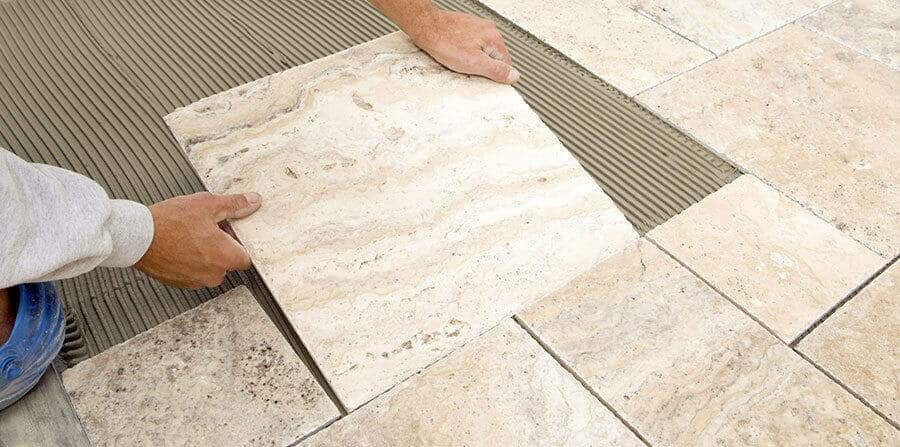
The global ceramic tiles market is experiencing significant growth, driven by increasing demand for aesthetically pleasing, durable, and sustainable flooring and wall solutions. Innovations in design, a growing focus on sustainability, and advancements in production technologies are expected to continue to drive the market in the coming years.
The Ceramic Tiles Market is expected to reach USD 420.42 billion with a CAGR of 6.92% by 2030. Ceramic tiles, known for their versatility, durability, and aesthetic appeal, are widely used in residential, commercial, and industrial applications. These tiles are used for various purposes, including flooring, wall cladding, and decorative surfaces, and they are available in an array of styles, sizes, and finishes. From sleek, modern designs to traditional styles, ceramic tiles have become a staple in interior and exterior design worldwide.
Try it Risk-Free – Download Your FREE Sample!
Demand for Sustainable and Eco-Friendly Solutions
One of the key trends driving growth in the ceramic tiles market is the increasing demand for eco-friendly and sustainable building materials. As awareness of environmental issues rises, both consumers and manufacturers are seeking greener alternatives in construction and renovation. The ceramic tile industry has responded with innovations focused on sustainability, including the use of recycled materials, energy-efficient production processes, and tiles with reduced environmental impact.
Manufacturers are now incorporating recycled content, such as glass, clay, and other industrial waste, into their tile products to create more sustainable options. Furthermore, advancements in the energy efficiency of tile production, such as the use of solar power in factories and eco-friendly glazing processes, are helping to reduce the overall carbon footprint of ceramic tiles. These green initiatives are appealing to environmentally conscious consumers who are increasingly prioritizing sustainability in their construction and renovation projects.
In addition to eco-friendly materials and production methods, there is a growing demand for energy-efficient, low-maintenance ceramic tiles that can help reduce utility costs and improve the overall performance of buildings. For instance, ceramic tiles with advanced thermal and acoustic properties are becoming increasingly popular, as they contribute to better insulation, lower heating and cooling costs, and enhanced soundproofing.
Innovations in Design and Customization
As consumer preferences evolve, there is a rising demand for innovative and customizable ceramic tile designs. Ceramic tiles are no longer just practical; they are seen as a key component in creating aesthetically pleasing and personalized interiors. With advancements in printing technology, manufacturers can now offer highly detailed and custom-made designs that reflect an individual’s style and preferences.
Digital printing techniques have revolutionized the ceramic tile industry, enabling the creation of tiles with intricate patterns, textures, and even photo-realistic designs. This innovation allows for the production of tiles that mimic natural materials like wood, stone, and marble, offering the visual appeal of high-end materials at a more affordable price point. Additionally, large-format tiles are gaining popularity due to their sleek, modern appearance and the ability to create seamless surfaces in both residential and commercial spaces.
Customization options are also expanding, with consumers able to choose from a variety of colors, patterns, sizes, and finishes to create personalized spaces. Whether in kitchens, bathrooms, or commercial settings, consumers are increasingly turning to ceramic tiles to add a touch of elegance and uniqueness to their environments.
Growth in Residential and Commercial Applications
The demand for ceramic tiles is growing across both residential and commercial sectors. In residential applications, ceramic tiles are preferred for their durability, low maintenance, and ability to enhance the overall aesthetic of living spaces. The growing trend of home renovations, driven by increased disposable income and an emphasis on home improvement, is fueling demand for ceramic tiles, especially in high-traffic areas such as kitchens, bathrooms, and living rooms.
In commercial applications, ceramic tiles are becoming increasingly popular in retail spaces, offices, hospitality venues, and public buildings due to their durability and easy-to-maintain nature. Ceramic tiles are used for flooring, wall cladding, and decorative purposes, and their ability to withstand heavy foot traffic and resist stains and moisture makes them ideal for high-use environments.
The growing construction and real estate development sectors, particularly in emerging markets in Asia-Pacific, Latin America, and the Middle East, are further contributing to the global demand for ceramic tiles. The rapid urbanization and expansion of commercial spaces in these regions are driving the need for high-quality building materials, including ceramic tiles.
Get Instant Access to a FREE Sample!
Competitive Landscape and Market Outlook
The ceramic tiles market is highly competitive, with a large number of manufacturers competing for market share. Leading players in the market are focusing on product innovation, sustainability, and strategic partnerships to strengthen their positions. Key companies are investing in research and development to introduce new designs, improve manufacturing processes, and expand their product portfolios.
As consumers increasingly demand high-quality, eco-friendly, and aesthetically appealing ceramic tiles, manufacturers are responding by introducing new products that meet these expectations. In addition, the rise of online retail channels is making it easier for consumers to access a wide range of tile options, further boosting market growth.
The global ceramic tiles market is expected to continue its expansion in the coming years, driven by increasing demand from both residential and commercial sectors, growing interest in sustainable solutions, and ongoing innovations in design and technology. With new trends in customization, sustainability, and digitalization, the ceramic tiles market is well-positioned for long-term growth.
