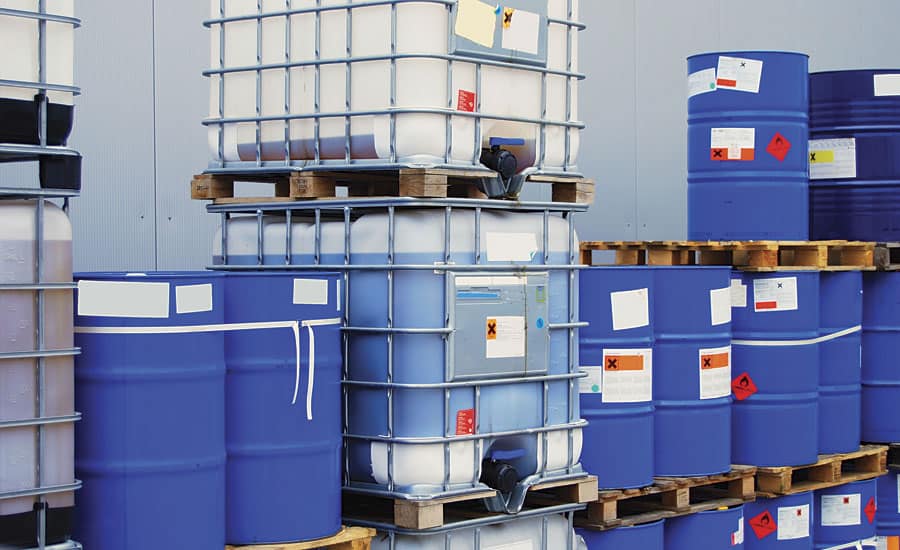
The global chemical distribution market is set to experience significant growth in the coming years, fueled by increasing demand across various sectors such as agriculture, pharmaceuticals, automotive, food and beverage, and industrial manufacturing. Advancements in supply chain management, the growing importance of sustainable practices, and expanding industrial activities are expected to drive the market forward. As chemical distributors continue to expand their service offerings and provide innovative solutions, the market is positioned to benefit from these evolving industry dynamics.
The Chemical Distribution Market is predicted to reach USD 380.10 billion with a CAGR of 4.2% by 2030. Chemical distribution involves the wholesale distribution of chemicals and related products, catering to a wide range of industries. The market is characterized by a diverse range of products, including basic chemicals, specialty chemicals, agrochemicals, and polymers, as well as value-added services like blending, packaging, and logistics. Distributors play a vital role in bridging the gap between chemical manufacturers and end-users, ensuring timely delivery, regulatory compliance, and customer support.
Click Here for Your FREE Sample!
Key Drivers of Market Growth
The growth of the chemical distribution market can be attributed to several key factors. One of the primary drivers is the increasing demand for chemicals in end-use industries. The demand for chemicals in applications such as coatings, adhesives, and plastics is expected to grow significantly, driving the need for efficient chemical distribution networks.
Claim Your FREE Sample and See the Difference!
The agricultural industry is another major contributor to market growth. The need for crop protection products, fertilizers, and soil health enhancers is rising, driven by growing concerns over food security and the need to improve agricultural yields. As global population growth continues to put pressure on food production systems, agricultural chemical distributors are seeing increasing demand for their services.
Additionally, the pharmaceutical sector relies heavily on the distribution of specialty chemicals, raw materials, and active ingredients for the production of drugs and medical devices. As the global demand for healthcare products and services increases, especially with the ongoing focus on public health and the fight against diseases, chemical distribution companies are playing an essential role in supporting pharmaceutical manufacturers.
Supply Chain Innovations and Efficiency Improvements
As industries become more globalized and interconnected, chemical distributors are adopting new technologies to improve their supply chain efficiency and ensure faster, more reliable deliveries. The use of digital platforms, real-time tracking systems, and automated warehousing solutions is transforming the chemical distribution landscape. These innovations enable distributors to offer more responsive services, reduce lead times, and increase inventory accuracy, ultimately benefiting both manufacturers and end-users.
E-commerce platforms and online marketplaces are also gaining traction in the chemical distribution market, providing customers with greater convenience in purchasing chemicals and related products. Digitalization is enhancing customer experiences by providing real-time information on product availability, pricing, and delivery schedules, making the purchasing process more transparent and efficient.
Furthermore, chemical distributors are increasingly adopting sustainability practices in their operations. With growing concerns over environmental impact, chemical distribution companies are exploring eco-friendly alternatives, such as biodegradable chemicals and energy-efficient transportation methods. By reducing waste, optimizing transportation routes, and transitioning to renewable energy sources, distributors are aligning their strategies with the global push for sustainability.
Shifting Focus to Specialty Chemicals
While basic chemicals remain an essential component of the global chemical distribution market, the demand for specialty chemicals has been steadily increasing. Specialty chemicals are used in a wide range of applications, including electronics, food and beverage processing, personal care, and environmental protection. These chemicals often require more precise handling, packaging, and distribution processes, making the role of distributors more critical in ensuring product quality and compliance.
As industries evolve and develop more complex products, the need for specialized chemicals and tailored solutions is growing. Chemical distributors that offer a broad portfolio of specialty chemicals, combined with value-added services like technical support and regulatory guidance, are well-positioned to capture a larger share of the market.
In the automotive industry, for example, specialty chemicals are used in coatings, lubricants, and high-performance plastics. The increasing demand for electric vehicles (EVs) and lightweight materials has further driven the demand for specialized chemicals in the automotive sector. Similarly, the electronics industry relies on specialty chemicals for semiconductor manufacturing, where high purity and specific chemical properties are required.
Regional Insights and Market Opportunities
The chemical distribution market is global, with North America, Europe, and Asia-Pacific being the largest regional markets. North America is a major player due to the presence of a strong industrial base, particularly in sectors like pharmaceuticals, automotive, and food processing. The U.S. continues to lead the North American market, supported by its advanced infrastructure and technological advancements in distribution systems.
Europe is another key market for chemical distribution, with countries like Germany, France, and the UK playing pivotal roles in the sector. The region is home to several large chemical manufacturers, which require efficient distribution networks to reach end-users across diverse industries. Moreover, Europe’s strict environmental regulations are driving the adoption of sustainable distribution practices, creating opportunities for distributors that prioritize eco-friendly solutions.
Asia-Pacific, led by China and India, is expected to see the highest growth in the chemical distribution market. The rapid industrialization of these countries, coupled with increasing demand for chemicals in the manufacturing, automotive, and agricultural sectors, will drive the market’s expansion. Additionally, the rise of the middle class and the increasing focus on improving living standards will further contribute to demand for a variety of chemicals in consumer goods and healthcare products.
Competitive Landscape and Market Outlook
The global chemical distribution market is highly competitive, with numerous players operating across various regions. Leading distributors such as Brenntag, Univar Solutions, IMCD Group, and Azelis are dominating the market with extensive networks, strong customer bases, and diverse product offerings. These companies are investing in digitalization, sustainability initiatives, and expanding their presence in emerging markets to stay ahead of the competition. The increasing demand for chemicals across key industries, coupled with advancements in supply chain efficiency and sustainability practices, will create significant opportunities for distributors to strengthen their position in the market.
