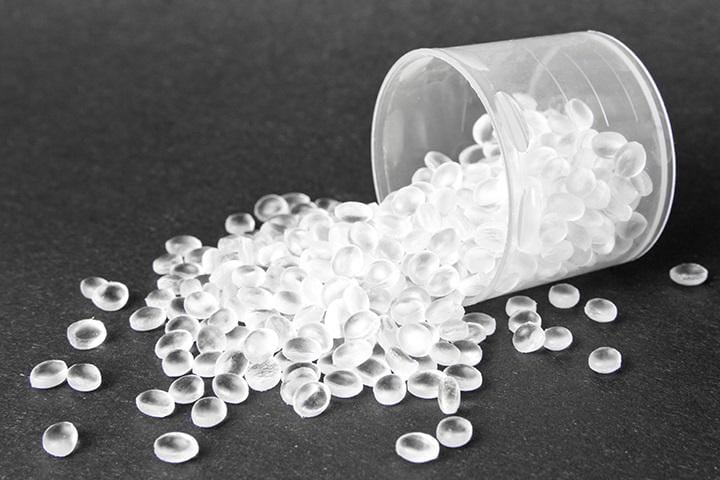
The global chlorinated polyethylene (CPE) market is expected to experience steady growth in the coming years, driven by its versatile applications across multiple industries, including automotive, construction, and industrial manufacturing. Chlorinated polyethylene, a high-performance polymer with excellent weather resistance, chemical stability, and flame retardant properties, is increasingly being used in a range of products such as coatings, adhesives, automotive parts, and industrial goods. As industries continue to evolve, CPE is becoming a key material for manufacturers looking for durable, flexible, and cost-effective solutions.
The Chlorinated Polyethylene Market is predicted to reach USD 1.22 billion with a CAGR of 7.8% by 2030. Chlorinated polyethylene is produced by chlorinating polyethylene resin (PE) to achieve a material with enhanced properties such as improved weather resistance, flame retardancy, and chemical resistance. The resulting material is widely used as a compound modifier, coating, or adhesive in various industrial and commercial applications. Its ability to be customized to meet the specific needs of different industries makes it an attractive option for manufacturers worldwide.
Download Your Free Sample Today!
Key Drivers of Market Growth
The primary drivers of the chlorinated polyethylene market include its expanding applications in key industries, particularly in automotive, construction, and industrial sectors. The automotive industry, in particular, is seeing increased demand for CPE as it is used in manufacturing parts such as weather seals, gaskets, and coatings. The automotive sector is increasingly focused on improving the durability and performance of vehicles, and CPE’s ability to withstand extreme temperatures and weather conditions makes it a preferred choice.
In the construction industry, chlorinated polyethylene is widely used in the production of roofing membranes, seals, and various construction adhesives due to its excellent weathering properties and resistance to ultraviolet (UV) degradation. As the construction industry continues to expand globally, especially in emerging markets, the demand for high-quality, long-lasting materials is rising, thereby driving the use of CPE in building and construction applications.
Furthermore, CPE’s applications in industrial manufacturing, particularly in the production of rubber products and cables, continue to expand. The material’s excellent flame resistance, chemical stability, and physical properties make it ideal for applications in environments that demand high performance, such as chemical processing plants, power generation facilities, and other industrial settings.
Unlock a FREE Sample – Try Before You Buy!
Expanding Applications in Various Industries
Chlorinated polyethylene’s versatility makes it a valuable material across a broad spectrum of industries. In the automotive sector, CPE is commonly used to produce weatherstripping, seals, and coatings that are resistant to oil, ozone, and UV radiation. The increasing demand for durable automotive parts that can withstand challenging environmental conditions is expected to further boost the demand for chlorinated polyethylene in the automotive market.
In the construction industry, CPE-based products are increasingly used in the production of roofing membranes, waterproof coatings, and adhesives. The demand for sustainable and durable construction materials is on the rise, particularly in developing countries where urbanization is accelerating. CPE’s resistance to aging, weathering, and chemical exposure makes it an ideal choice for ensuring the longevity and performance of buildings and infrastructure.
Additionally, CPE is gaining traction in the manufacture of industrial products such as hoses, gaskets, rubber products, and cables. The material’s resistance to wear and tear, as well as its flame-retardant properties, makes it an excellent choice for use in heavy-duty industrial applications. The continued growth of industries such as oil and gas, manufacturing, and energy is expected to drive demand for CPE-based products in the industrial sector.
Increasing Focus on Sustainable Materials
The global trend toward sustainability and environmental protection is also playing a role in shaping the chlorinated polyethylene market. As regulations around environmental impact become stricter, industries are increasingly turning to materials that are durable, recyclable, and more environmentally friendly. Chlorinated polyethylene, when used in appropriate applications, offers an environmentally stable solution, as it is less likely to degrade under harsh environmental conditions compared to other polymers.
Manufacturers in various sectors are increasingly recognizing the advantages of CPE in terms of long-lasting performance, cost-efficiency, and reduced maintenance requirements. By incorporating CPE into their products, companies can extend the life cycle of their materials and reduce the need for frequent replacements, contributing to more sustainable operations.
Regional Insights and Market Outlook
The chlorinated polyethylene market is growing across all regions, with Asia-Pacific, North America, and Europe being the leading markets. Asia-Pacific is expected to witness the highest growth rate due to increasing industrialization, expanding construction activities, and a booming automotive sector. Countries like China and India are investing heavily in infrastructure development, manufacturing, and automotive production, which is driving the demand for chlorinated polyethylene in the region.
In North America and Europe, the market is characterized by the presence of well-established automotive, construction, and industrial sectors. In these regions, the demand for advanced materials that offer superior performance and durability is pushing the adoption of chlorinated polyethylene. Additionally, increasing government regulations related to environmental impact are leading companies to adopt more sustainable materials like CPE in various applications.
The global market for chlorinated polyethylene is expected to grow at a compound annual growth rate (CAGR) of [X]% from 2025 to 2030, driven by increasing demand across multiple industries and the continued adoption of advanced polymer technologies. The automotive, construction, and industrial sectors are expected to remain key contributors to the market’s expansion during this period.
Competitive Landscape
The chlorinated polyethylene market is competitive, with several key players involved in the production and supply of CPE. Major companies in the market include LG Chem, Hanwha Chemical Corporation, and Chinese-based manufacturers such as Shanghai Chlor-Alkali Chemical Co. Ltd. and Shandong Dongfang International Co., Ltd. These companies dominate the market with extensive production capacities, strong distribution networks, and strategic partnerships.
In addition to these industry giants, there are numerous smaller and regional players in the chlorinated polyethylene market, creating a highly fragmented landscape. As the demand for CPE continues to grow, competition is expected to intensify, and companies are likely to invest in research and development to offer more specialized products tailored to the needs of various industries.
Conclusion
The chlorinated polyethylene market is set for significant growth, driven by its wide range of applications in industries such as automotive, construction, and industrial manufacturing. As companies continue to focus on improving the durability, performance, and sustainability of their products, the demand for CPE is expected to increase. With ongoing innovations in polymer technologies and the continued expansion of key industries, the future of the chlorinated polyethylene market looks promising.
