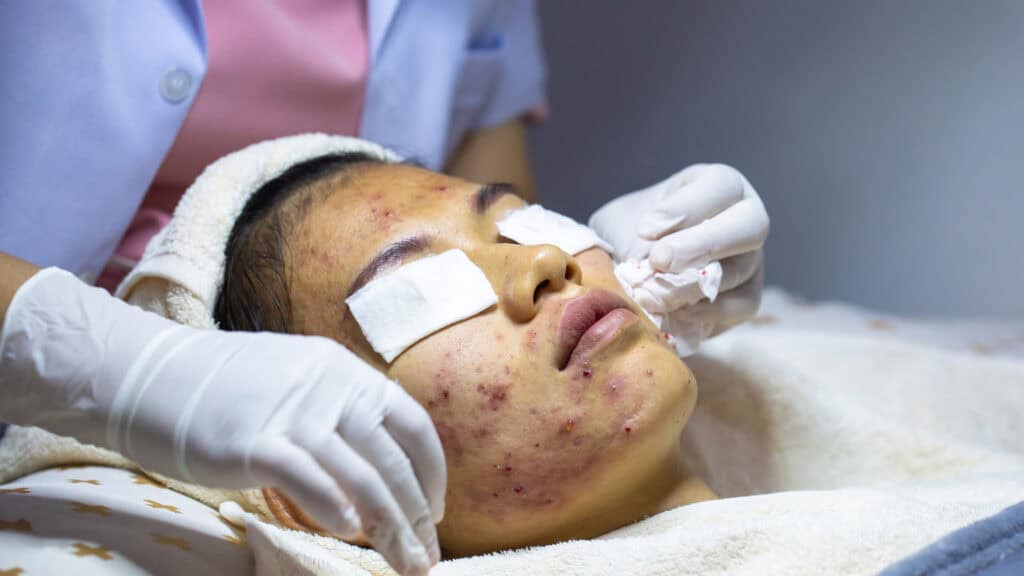
The global acne medication market is projected to experience significant growth in the coming years, fueled by the increasing prevalence of acne, a rising consumer preference for skincare products, and advancements in acne treatment formulations. With a market is predicted to reach USD 14.26 billion with a CAGR of 3.02% till 2030, the acne medication market is poised to meet the growing demand for effective and personalized skincare solutions.
Market Overview
Acne is one of the most common skin conditions globally, affecting millions of individuals, particularly teenagers and young adults. Acne occurs when hair follicles become clogged with oil, dead skin cells, and bacteria, leading to the formation of pimples, blackheads, and cysts. While the condition is often associated with adolescence, it can affect individuals of all ages, making it a persistent issue in skincare.
The acne medication market includes a range of topical, oral, and advanced treatments designed to reduce the appearance of acne, prevent flare-ups, and address underlying causes such as excess oil production, bacterial growth, and inflammation. Over the past decade, there has been a shift toward more personalized and innovative treatments, with many consumers seeking effective, safe, and non-invasive options to manage acne.
Explore the Benefits with a FREE Sample!
Key Drivers of Market Growth
- Increasing Prevalence of Acne: The global incidence of acne is steadily increasing, with estimates suggesting that approximately 85% of individuals between the ages of 12 and 24 experience some form of acne. The rise in acne cases among adults, particularly women aged 30 to 40, is also contributing to the growing demand for effective treatments. As the number of individuals seeking solutions for acne management rises, the market for acne medications continues to expand.
- Rising Demand for Skincare and Cosmetic Products: A growing consumer awareness about skincare, coupled with the increasing popularity of cosmetic products, is fueling the demand for acne treatments. As consumers are becoming more proactive about maintaining healthy skin, many are incorporating acne medications into their skincare routines to prevent and treat breakouts. The increasing emphasis on self-care and beauty routines, especially through social media and influencer marketing, is driving the popularity of acne medications worldwide.
- Advancements in Acne Treatment Formulations: The acne medication market is benefiting from innovations in treatment formulations, which are more effective, less harsh on the skin, and offer faster results. New treatments are being developed to address the root causes of acne, including hormonal imbalances and skin inflammation. Topical medications, such as retinoids, benzoyl peroxide, and salicylic acid, are evolving to provide enhanced effectiveness with fewer side effects, driving their adoption. Additionally, oral medications like antibiotics, hormonal treatments, and emerging biologics are gaining traction due to their ability to target deeper skin layers and treat severe cases.
Market Segmentation
The global acne medication market is segmented by type, formulation, distribution channel, and region.
- By Type:
- Topical Medications: These include over-the-counter and prescription treatments like benzoyl peroxide, salicylic acid, retinoids, and topical antibiotics. Topical medications are the most commonly used treatments for mild to moderate acne.
- Oral Medications: Oral antibiotics, hormonal therapies (such as birth control pills), and emerging oral medications like isotretinoin are commonly prescribed for moderate to severe acne cases.
- Advanced Treatments: This category includes biologics, laser therapies, and chemical peels. These treatments are increasingly used for severe cases of acne that do not respond to traditional medications.
- By Formulation:
- Creams and Gels: These formulations are commonly used for topical acne treatments due to their ease of application and absorption.
- Lotions: Typically used for large surface areas or sensitive skin, lotions offer a gentler alternative to creams and gels.
- Oral Tablets: Oral medications, including antibiotics and isotretinoin, are commonly prescribed for severe acne cases.
- Others: Other formulations such as face washes, patches, and toners are gaining popularity as complementary products in acne treatment routines.
- By Distribution Channel:
- Pharmacies & Drugstores: Pharmacies and drugstores remain the primary distribution channel for acne medications, with a wide variety of OTC and prescription options available.
- Online Retailers: E-commerce platforms are experiencing rapid growth in the sale of acne medications, driven by the convenience of online shopping and the rise in consumer demand for skincare products.
- Dermatology Clinics & Hospitals: Prescription acne medications, as well as advanced treatments like chemical peels and laser therapies, are typically available through dermatology clinics and hospitals.
Conclusion
The acne medication market is set for robust growth, fueled by increasing acne prevalence, consumer demand for skincare products, and advancements in treatment options. As consumers become more proactive in managing their skincare needs, the market will continue to evolve, with new treatments offering improved safety, efficacy, and convenience. The future of acne medications lies in personalized and innovative solutions that cater to diverse consumer needs, enhancing both accessibility and treatment outcomes worldwide.
