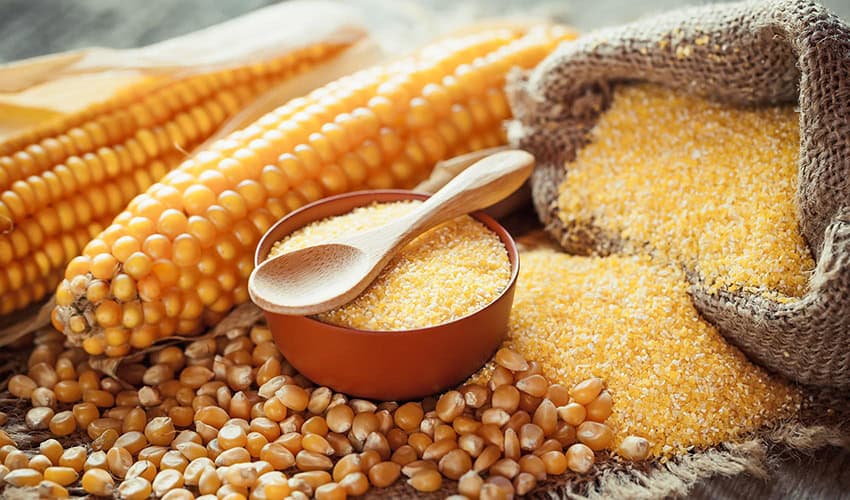
The global cornmeal market is expected to experience steady growth in 2025, fueled by the rising demand for gluten-free food products, increasing consumer interest in natural and minimally processed foods, and the expanding use of cornmeal in a variety of applications. Cornmeal, a staple ingredient made from ground corn kernels, has been an essential part of diets around the world for centuries, and its popularity continues to rise in both traditional and innovative food products. The market is set to benefit from evolving consumer preferences and greater awareness of the health benefits of corn-based products.
The Cornmeal Market is predicted to reach USD 998.3 million with a CAGR of 3.9% by 2030. Cornmeal is widely used in baking, cooking, and food manufacturing, offering versatility in both savory and sweet dishes. It is a key ingredient in products like cornbread, tortillas, and snack foods, and it is increasingly finding its way into gluten-free formulations, as well as health-conscious diets. As the global population grows and shifts towards more health-conscious food choices, the cornmeal market is positioning itself for substantial expansion, particularly in regions where traditional grain-based foods are a cornerstone of the culinary landscape.
Unlock a FREE Sample – Try Before You Buy!
Market Overview
The cornmeal market is characterized by a variety of product types, including yellow, white, and blue cornmeal. Yellow cornmeal is the most commonly used variety due to its mild flavor and versatility, while white cornmeal is often preferred in southern U.S. cooking and specific regional cuisines. Blue cornmeal, made from a specific variety of corn, has gained popularity for its unique color and flavor, along with its purported health benefits.
Cornmeal is not only used in traditional food items like bread, muffins, and pancakes, but it is also a key ingredient in processed snacks, breakfast cereals, and ready-to-eat meals. As demand for processed and convenience foods increases, particularly in developed regions, cornmeal is increasingly being used to meet consumer demand for products that are both convenient and nutritionally balanced. Additionally, cornmeal is utilized in animal feed and non-food applications, such as the production of biodegradable plastics.
Key Drivers of Market Growth
- Rising Demand for Gluten-Free Products
The growing popularity of gluten-free diets is one of the key drivers of the cornmeal market. Cornmeal, naturally free of gluten, has become a go-to ingredient for gluten-free baking and cooking. With an increasing number of consumers adopting gluten-free diets due to celiac disease, gluten sensitivity, or personal preference, there is a notable surge in the demand for cornmeal-based gluten-free products. This trend is particularly evident in the bakery sector, where cornmeal is widely used in the production of gluten-free breads, cakes, and pastries. - Health Consciousness and Clean Label Trends
There is an increasing shift toward healthier, natural, and minimally processed foods, which has contributed to the growth of the cornmeal market. Consumers are becoming more aware of the benefits of whole grains, including the nutritional advantages of cornmeal, which is rich in fiber, antioxidants, and essential vitamins like B vitamins. Additionally, as more consumers demand clean label products with fewer additives and preservatives, cornmeal is emerging as an ingredient of choice due to its natural composition and simplicity. - Expanding Use in Snacks and Convenience Foods
The increasing demand for convenient, ready-to-eat meals and snacks is driving the use of cornmeal in processed food products. Cornmeal is a key component in the production of popular snacks like corn chips, crackers, and tortilla chips, as well as instant mixes for pancakes, cornbread, and other quick meals. As consumer lifestyles become more fast-paced, the convenience and versatility of cornmeal are helping to fuel its growth in these sectors. Furthermore, the rise in popularity of ethnic cuisines that use cornmeal-based products, such as Mexican tortillas and Central American tamales, is also supporting market expansion. - Growing Preference for Ethnic and Regional Foods
Culinary globalization and the increasing interest in diverse and ethnic cuisines are contributing to the growing demand for cornmeal-based products. Traditional foods such as cornbread, polenta, and tortillas are becoming more popular not just in the Americas, but globally. As consumers become more adventurous in their eating habits and seek to replicate authentic international flavors at home, cornmeal’s role in traditional dishes from the southern U.S., Latin America, and Mediterranean regions is expanding. - Sustainability and Agricultural Innovations
Sustainability is becoming an increasingly important factor in food production, and cornmeal is benefiting from innovations in sustainable farming practices. With growing concerns over the environmental impact of agricultural practices, there is a heightened focus on using renewable and less resource-intensive crops like corn. In addition, ongoing developments in agricultural technology are improving the efficiency of corn farming, ensuring a steady supply of high-quality cornmeal for global markets.
Key Market Trends
- Increase in Consumer Interest in Organic Cornmeal
Organic food products are gaining significant traction among health-conscious consumers, and organic cornmeal is no exception. As demand for organic, non-GMO, and pesticide-free products increases, manufacturers are responding by offering organic cornmeal options. These products appeal to consumers who are looking for cleaner, more sustainable food choices. The growing availability of organic cornmeal in both retail and foodservice markets is expected to drive growth in this segment. - Development of Value-Added Cornmeal Products
The growing interest in functional foods and snacks has led to an increase in value-added cornmeal products. These include fortified cornmeal, which is enriched with additional nutrients like protein, vitamins, or minerals, as well as cornmeal snacks that incorporate additional flavors and ingredients. Manufacturers are leveraging cornmeal’s versatility to create innovative products that meet consumer demands for both nutrition and flavor.
Try it Risk-Free – Download Your FREE Sample!
- Expansion of E-commerce and Direct-to-Consumer Sales
With the rise of e-commerce and direct-to-consumer sales, the distribution landscape for cornmeal products is shifting. Online grocery shopping and specialty food platforms are providing consumers with easier access to a wide range of cornmeal products, from traditional to organic and gluten-free options. This trend is especially significant for niche products, as e-commerce platforms enable manufacturers to reach new consumer segments and expand their market presence.
Outlook for the Future
The cornmeal market is set to experience steady growth in 2025 and beyond, driven by increasing demand for gluten-free, healthy, and sustainable food options. As consumers continue to embrace ethnic cuisines, healthier lifestyles, and clean-label products, cornmeal’s versatility and natural qualities make it a key ingredient in meeting evolving dietary preferences. With expanding applications across the food industry and growing consumer interest in both traditional and innovative cornmeal-based products, the market is poised for continued success in the coming years.
