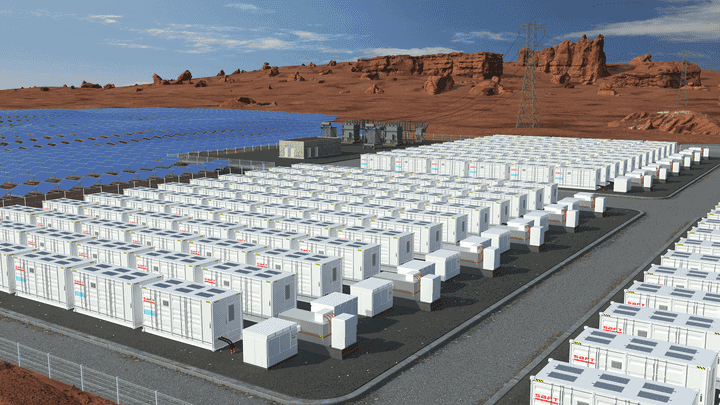
The global grid-scale battery storage technologies market is on track to experience significant growth, driven by increasing demand for energy storage solutions, the global transition to renewable energy, and the need for enhanced grid reliability. The market is predicted to reach USD 10.51 billion with a CAGR of 15.7% till 2030.
Grid-scale battery storage systems, which store large amounts of electricity generated from renewable sources like solar and wind, are vital to stabilizing electrical grids and ensuring a continuous, reliable power supply. These systems help address the intermittent nature of renewable energy sources by storing excess power during peak generation periods and releasing it when demand exceeds supply or when renewable generation is low.
Key Drivers of Growth in the Grid-Scale Battery Storage Market
- Increasing Demand for Renewable Energy: The global shift toward renewable energy, driven by concerns over climate change, sustainability, and energy security, is a key factor propelling the growth of the grid-scale battery storage market. Solar and wind energy, although abundant, are intermittent, meaning they cannot always generate electricity when needed. Grid-scale battery storage technologies market solutions play a crucial role in stabilizing the grid by storing excess energy when supply exceeds demand and releasing it during peak demand periods, ensuring a reliable energy supply.
Claim Your FREE Sample and See the Difference!
Governments around the world are setting ambitious renewable energy targets, which are expected to increase the need for energy storage solutions. The global focus on reducing carbon emissions and promoting sustainable energy systems is creating new opportunities for battery storage technologies.
- Advancements in Battery Technologies: Technological innovations in battery storage solutions, including improvements in energy density, charging/discharging cycles, and cost-effectiveness, are significantly boosting the grid-scale battery storage market. Lithium-ion (Li-ion) batteries, currently the most widely used technology in grid-scale storage, continue to benefit from improvements in energy efficiency and reductions in manufacturing costs.
Additionally, other emerging technologies, such as solid-state batteries, flow batteries, and sodium-sulfur batteries, are gaining traction. These technologies offer higher performance, longer life cycles, and greater energy density compared to traditional lithium-ion batteries, which will continue to drive innovation and market expansion.
- Government Policies and Incentives: Governments around the world are increasingly recognizing the importance of energy storage in achieving energy transition goals. Many countries are offering significant incentives and subsidies to promote the adoption of grid-scale storage systems. These incentives include tax credits, grants, and funding programs that reduce the financial burden on utilities and developers. For example, the U.S. government’s investment in energy storage research and development, along with incentives for renewable energy projects, is expected to drive significant growth in the grid-scale storage market.
Start with a FREE Sample – Download Now!
International initiatives like the European Union’s Green Deal and China’s commitment to achieving carbon neutrality by 2060 are further boosting the market by promoting the integration of renewable energy sources and supporting large-scale battery storage solutions.
- Enhanced Grid Stability and Reliability: As more renewable energy sources are integrated into the grid, grid stability and reliability become critical. The ability to store large amounts of energy and discharge it when needed helps smooth out fluctuations in energy supply and demand. Grid-scale battery storage systems help prevent power outages, provide backup power during emergencies, and improve the overall resilience of the electrical grid. With the rising frequency of extreme weather events and the growing need for more reliable energy systems, grid-scale storage is becoming increasingly important to ensure energy security and minimize disruptions.
- Declining Battery Costs: The cost of battery storage has been steadily declining due to advancements in manufacturing techniques and economies of scale. Over the past decade, the cost of lithium-ion batteries has dropped significantly, making grid-scale storage systems more affordable. As battery prices continue to fall, the economic viability of large-scale energy storage projects improves, encouraging wider adoption of grid-scale storage solutions. This trend is expected to continue as technology improves and competition increases within the battery manufacturing sector.
Future Outlook
The grid-scale battery storage market is poised for rapid growth as the world transitions to renewable energy and the need for energy storage solutions becomes more critical. Continued advancements in battery technology, falling storage costs, and strong government support will be key factors driving market expansion. As more countries integrate renewable energy sources into their grids, the demand for grid-scale battery storage systems will continue to rise, ensuring the growth of this vital market in the coming years.
