The global Wireless Electric Vehicle (EV) Charging Market is expected to reach USD 567.7 million with a CAGR of 55.6% till 2030. This remarkable growth is driven by the rising adoption of electric vehicles (EVs), technological advancements in wireless charging systems, and the increasing demand for convenient and efficient charging solutions.
Market Growth and Key Drivers
The wireless EV charging market is rapidly gaining traction as a promising solution to address the challenges of traditional plug-in EV charging. As governments worldwide continue to implement stricter emissions regulations and provide incentives for EV adoption, the demand for charging infrastructure has surged. However, conventional wired charging stations still face limitations, including the need for physical connections, limited charging locations, and slower charging speeds.
Download Your Free Sample Today!
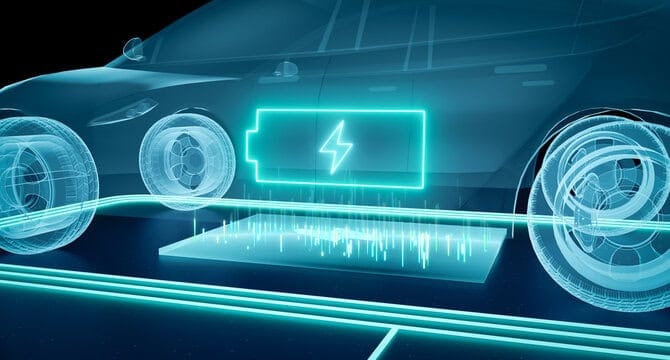
Wireless EV charging, also known as inductive charging, addresses these issues by allowing vehicles to charge without needing to be physically plugged in. Through electromagnetic fields, energy is transferred from a charging pad embedded in the ground to a receiver installed on the vehicle. This technology offers significant benefits, such as enhanced user convenience, faster charging, and greater flexibility in public and private charging infrastructure.
Technological Advancements and Innovations
Technological innovation is playing a central role in the development of the wireless EV charging market. Key advancements in magnetic resonance technology, power transfer efficiency, and communication protocols are improving the overall effectiveness and feasibility of wireless charging systems. These advancements are paving the way for faster charging speeds and greater energy transfer efficiency, making wireless charging more practical for everyday use.
In addition, progress in bidirectional charging systems is allowing vehicles to not only charge from the grid but also return energy to the grid, creating new opportunities for energy management and grid stabilization. This two-way charging capability is expected to enhance the value proposition of wireless charging systems, particularly in regions with high EV adoption.
The integration of wireless charging with smart grids, along with the implementation of 5G and IoT-enabled technologies, is another area of innovation. This enables seamless communication between vehicles and charging stations, optimizing the charging process and allowing for features such as dynamic pricing, remote monitoring, and predictive maintenance.
Market Segmentation
The wireless EV charging market can be segmented based on charging type, application, vehicle type, and region:
- By Charging Type:
- Static Wireless Charging: This method allows EVs to charge while parked over a charging pad. It is typically used for home and public charging stations. Static charging is gaining traction for its ease of use and convenience, offering a seamless experience for drivers who no longer need to manually plug in their vehicles.
- Dynamic Wireless Charging: A more advanced concept, dynamic wireless charging allows EVs to charge while in motion, via embedded charging pads along roads or highways. While this technology is still in the early stages of development, it holds great potential for long-distance travel and eliminating range anxiety among EV owners.
- By Application:
- Residential: Residential wireless charging solutions are becoming increasingly popular as consumers seek more convenient ways to charge their EVs at home. These systems are typically designed for use in garages and driveways, offering users the ability to charge their vehicles without the hassle of plugging in.
- Commercial: Commercial wireless charging infrastructure is seeing substantial growth, particularly in public areas, commercial parking lots, and transit hubs. These locations provide high-traffic areas for EV owners to charge their vehicles while they work, shop, or travel.
- Public Infrastructure: Public wireless charging stations are emerging in cities worldwide, with the potential to replace traditional plug-in stations. Airports, shopping centers, and public parking areas are increasingly adopting wireless EV charging as part of efforts to expand EV infrastructure.
- By Vehicle Type:
- Passenger Vehicles: Passenger electric vehicles are the dominant segment in the wireless EV charging market, with growing numbers of consumers switching to EVs for personal use. This shift is being driven by environmental concerns, government incentives, and the availability of a wider range of EV models.
- Commercial Vehicles: The commercial vehicle segment, including buses and trucks, is also expected to contribute to the growth of wireless charging solutions. Fleet operators are adopting EVs for their cost efficiency, and wireless charging can help reduce downtime by providing efficient and convenient charging solutions.
- Two-wheelers and Others: As electric two-wheelers (e-scooters and e-bikes) gain popularity, they represent another emerging market for wireless EV charging. These vehicles are often used for short-distance travel, making wireless charging a convenient option for urban commuters.
Key Market Players
Leading players in the wireless EV charging market include WiTricity Corporation, Qualcomm Technologies, Inc., Plugless Power, Evatran Group, Inc., and Continental AG. These companies are focusing on technological innovation, strategic partnerships, and expanding their product portfolios to cater to the growing demand for wireless EV charging solutions.
Conclusion
The wireless EV charging market is poised for substantial growth, driven by increasing EV adoption, advancements in wireless charging technology, and growing demand for convenient, efficient charging solutions. As infrastructure evolves and new technological breakthroughs emerge, wireless charging is set to play a critical role in the future of electric mobility, offering an effortless, seamless experience for drivers worldwide.
