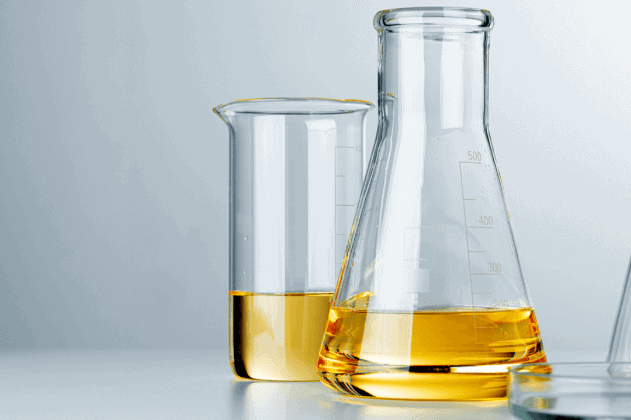
The global fatty alcohols market is witnessing robust growth driven by increasing demand across various industries, including personal care, detergents, plastics, and bio-based solutions. Fatty alcohols, which are long-chain alcohols derived from natural fats and oils, play a crucial role in the formulation of products ranging from shampoos and soaps to detergents and lubricants. As consumers and industries alike place a greater emphasis on sustainability and eco-friendly solutions, the market for fatty alcohols is expected to continue expanding, propelled by innovation, renewable sourcing, and evolving consumer preferences.
The Fatty Alcohols Market is predicted to reach USD 8.44 billion with a CAGR of 4.5% by 2030. Fatty alcohols are a diverse group of chemicals used as key ingredients in many everyday products due to their excellent emulsifying, surfactant, and conditioning properties. The rising demand for bio-based and sustainable chemicals is a significant factor contributing to the growth of the market, as more companies seek to replace petrochemical-based products with renewable, plant-derived alternatives.
Personal Care and Cosmetics: A Key Driver for Market Growth
One of the largest and fastest-growing segments of the fatty alcohols market is personal care and cosmetics. Fatty alcohols, such as cetyl alcohol, stearyl alcohol, and lauryl alcohol, are essential ingredients in a wide range of cosmetic products including shampoos, conditioners, lotions, and creams. These alcohols help to stabilize formulations, improve the texture of products, and enhance their moisturizing properties.
As the personal care industry increasingly shifts towards more natural and sustainable products, fatty alcohols derived from renewable sources such as palm oil, coconut oil, and other plant-based oils are becoming highly sought after. The demand for natural and organic cosmetics, alongside growing consumer awareness of eco-friendly and cruelty-free beauty products, is driving the adoption of plant-derived fatty alcohols, which offer a renewable and biodegradable alternative to traditional chemical ingredients.
Unlock a FREE Sample – Try Before You Buy!
Furthermore, the growing trend towards premium and specialized personal care products is pushing the demand for higher-quality fatty alcohols that deliver superior performance. The versatility of fatty alcohols in cosmetic formulations, coupled with their mildness on the skin and hair, makes them an essential component in a wide range of products catering to diverse consumer needs.
Increasing Demand for Fatty Alcohols in Detergents and Surfactants
Another significant driver of the fatty alcohols market is the growing demand for surfactants and detergents. Fatty alcohols are used in the production of surfactants, which are key ingredients in laundry detergents, dishwashing liquids, and other household cleaning products. Their ability to reduce surface tension, promote foaming, and aid in dirt removal makes them ideal for use in a wide range of cleaning formulations.
As consumers become more environmentally conscious, there is a rising preference for detergents and cleaning products that are biodegradable and made from renewable resources. Fatty alcohols, particularly those derived from natural oils, meet these criteria, making them an attractive option for detergent manufacturers looking to appeal to eco-conscious consumers. Additionally, as regulations around chemical emissions and sustainability continue to tighten, many manufacturers are investing in bio-based alternatives, further boosting the demand for fatty alcohols in the detergent and cleaning product markets.
Demand for Bio-Based and Renewable Solutions
The growing shift towards sustainability in various industries is driving the increasing use of bio-based fatty alcohols. Derived from natural plant sources such as palm kernel oil, coconut oil, and soybean oil, bio-based fatty alcohols are seen as a more environmentally friendly alternative to petrochemical-derived alcohols. The push towards renewable, biodegradable, and non-toxic ingredients is particularly strong in industries such as personal care, cleaning products, and food processing, where sustainability is a key concern.
Governments worldwide are also encouraging the use of bio-based chemicals through supportive policies and regulations. This is in line with global efforts to reduce carbon footprints and promote the use of renewable resources. As a result, companies are increasingly turning to fatty alcohols made from natural and sustainable feedstocks to meet both consumer demand and regulatory requirements.
Industrial and Plastic Applications
Beyond consumer goods, fatty alcohols are used in a wide variety of industrial applications, including the production of lubricants, coatings, and plastics. Fatty alcohols are used to modify the properties of plastics, such as improving flexibility, durability, and resistance to environmental stress. These properties make fatty alcohols an important component in the production of polyvinyl chloride (PVC), a widely used plastic in construction, automotive, and consumer goods.
Additionally, fatty alcohols are employed as additives in industrial lubricants, where they act as emulsifiers and stabilizers. With the continued growth of the automotive and manufacturing sectors, the demand for high-performance lubricants containing fatty alcohols is expected to increase, further driving market growth.
Market Challenges and Opportunities
Despite the strong growth prospects, the fatty alcohols market faces challenges related to raw material supply and price volatility. The availability of key feedstocks, such as palm oil and coconut oil, can be influenced by factors such as weather conditions, agricultural practices, and environmental concerns over deforestation. Price fluctuations and supply chain disruptions can impact the overall cost of fatty alcohols, which may affect manufacturers and consumers alike.
However, these challenges also present opportunities for innovation in sourcing and production. The development of alternative feedstocks, such as algae-based oils, and the improvement of production technologies, such as enzymatic processes, can help mitigate some of these challenges and ensure a more stable supply of bio-based fatty alcohols.
Market Outlook
Factors such as increasing demand for sustainable and bio-based products, rising consumer awareness of eco-friendly alternatives, and growing industrial applications will continue to propel market growth. As industries across the globe prioritize sustainability and renewable resources, the market for fatty alcohols is set to benefit from expanding demand and new opportunities for innovation.
