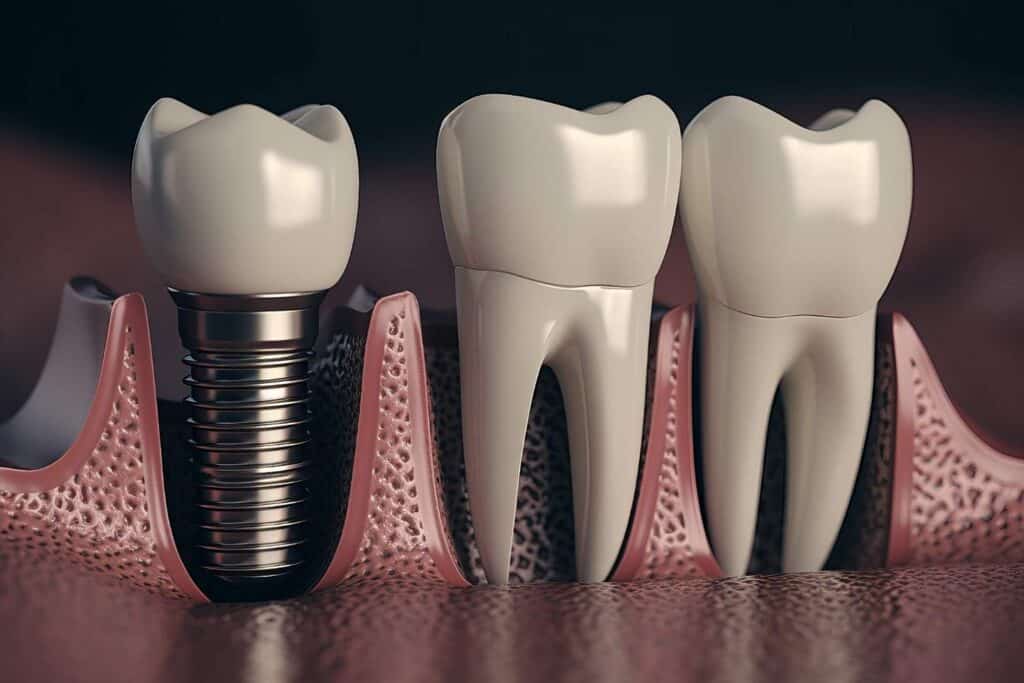
The global osseointegration implants market is predicted to reach USD 13.84 billion with a CAGR of 8.1% till 2030. Implant materials, increasing prevalence of dental and orthopedic conditions, and a rising demand for innovative prosthetic solutions.
Osseointegration implant market, which enable the direct attachment of a prosthesis to the bone, have revolutionized the field of orthopedic and dental treatments. These implants offer greater stability, comfort, and functionality compared to traditional prosthetic solutions, making them a popular choice for patients undergoing limb or dental restoration surgeries.
Download Your Free Sample Today!
Market Growth and Key Drivers
Several factors are contributing to the growth of the osseointegration implants market:
- Increasing Prevalence of Bone-Related Disorders: The growing number of individuals affected by bone disorders such as osteoarthritis, osteoporosis, and trauma-related injuries is boosting the demand for osseointegration implants. These conditions often require prosthetic implants to restore function and mobility, and osseointegration provides a more reliable and durable solution compared to traditional methods.
- Advancements in Implant Technology: Technological innovations in materials, surgical techniques, and implant design are significantly improving the success rate and functionality of osseointegration implants. New materials, such as titanium alloys and ceramic coatings, enhance the strength, durability, and biocompatibility of the implants, reducing the risk of complications and improving the overall patient experience.
- Growing Demand for Prosthetic Limb Solutions: With increasing rates of limb amputations, particularly due to diabetes, vascular disease, and trauma, the demand for advanced prosthetic limb solutions is on the rise. Osseointegration implants offer a promising alternative to traditional prosthetics by directly anchoring the prosthesis to the bone, providing improved stability and greater comfort for the wearer.
Technological Innovations and Market Trends
The osseointegration implants market is experiencing several key innovations and trends that are shaping its future:
- Advanced Materials for Implants: The development of advanced materials such as titanium alloys, zirconia, and bioactive coatings has improved the biocompatibility and longevity of osseointegration implants. These materials enhance the integration of the implant with the bone, reducing the risk of rejection and improving overall success rates.
- Robotic-Assisted Surgery: The integration of robotic systems in implant surgeries is revolutionizing the precision of implant placement. Robotic-assisted surgery enables surgeons to achieve optimal alignment and positioning, which is critical for the success of osseointegration implants, particularly in complex orthopedic and dental procedures.
- Customizable Implants: Customization is becoming increasingly important in the osseointegration implants market. 3D printing technologies allow for the creation of personalized implants that are tailored to the unique anatomical structure of individual patients. This approach ensures better fit and functionality, improving patient satisfaction and implant success.
- Miniaturization of Implants: The trend toward miniaturization in implant design is enabling more discreet and comfortable prosthetics, particularly in the dental sector. Smaller, more precise implants provide enhanced aesthetics and improved patient comfort, which is particularly important for patients undergoing dental restoration procedures.
- Improved Rehabilitation Protocols: Advances in post-surgery rehabilitation and recovery protocols are helping patients recover more quickly and effectively after osseointegration implant procedures. Faster recovery times and less discomfort are encouraging more individuals to opt for osseointegration as their preferred treatment option.
Market Segmentation
The global osseointegration implants market can be segmented based on application, implant type, end-user, and region:
- By Application:
- Orthopedic Implants: This segment includes implants used in the restoration of limbs and joints for patients who have experienced amputation or trauma-related injuries. Osseointegration in orthopedic applications offers improved mobility and prosthetic stability, especially in cases involving amputations of the lower limbs.
- Dental Implants: Dental implants using osseointegration technology are increasingly popular for replacing missing teeth. These implants offer a more natural-looking, durable, and functional solution compared to traditional dentures or bridges.
- Craniomaxillofacial Implants: Osseointegration is also being used in the craniomaxillofacial area to treat facial deformities and injuries. These implants restore both the structure and function of the face and skull, providing significant improvements in appearance and quality of life for affected patients.
- By Implant Type:
- Titanium Implants: Titanium remains the most commonly used material for osseointegration implants due to its biocompatibility, strength, and durability. Titanium implants are widely used in both orthopedic and dental procedures.
- Ceramic Implants: Ceramic implants, particularly zirconia, are gaining popularity in dental applications due to their aesthetic appeal and natural appearance. Ceramic implants are also biocompatible and offer enhanced resistance to corrosion.
- Bioactive Coating Implants: Implants with bioactive coatings are becoming more common, as these coatings enhance the bonding between the implant and bone tissue. This type of implant is particularly beneficial in orthopedic applications where strong, lasting integration with the bone is essential.
- By End-User:
- Hospitals and Clinics: Hospitals and specialized clinics are the primary end-users of osseointegration implants. These facilities perform surgeries for both dental and orthopedic implant procedures, with growing adoption of osseointegration technologies in treatment protocols.
- Dental Clinics: With the rising demand for dental implants, dental clinics are becoming key players in the osseointegration implants market. These clinics perform a wide variety of implant procedures, including single-tooth and full-mouth restorations.
- Rehabilitation Centers: Post-surgery rehabilitation centers play a critical role in the recovery process for patients receiving osseointegration implants. These centers help patients regain strength and mobility after implant surgeries.
Conclusion
The osseointegration implants market is poised for significant growth as demand for advanced prosthetic solutions increases across the globe. With ongoing technological advancements in implant materials, surgical techniques, and rehabilitation protocols, osseointegration implants are expected to continue transforming the fields of orthopedic and dental care, offering improved outcomes and quality of life for patients worldwide.
