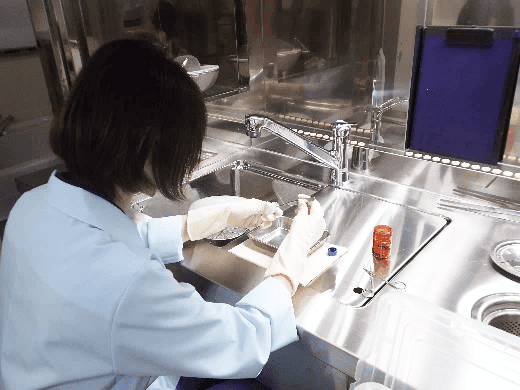
The global pathological examination market is predicted to reach USD 772.79 billion with a CAGR of 12.8% till 2030. Diagnostic technologies, an increasing incidence of chronic diseases, and the rising demand for personalized healthcare solutions.
Pathological examinations play a crucial role in the diagnosis, monitoring, and treatment of diseases by studying tissue, blood, and other biological samples. As healthcare systems evolve and the demand for accurate and early disease detection rises, the market for pathological examinations continues to expand, with new innovations improving the speed, accuracy, and accessibility of diagnostic tests.
Market Growth and Key Drivers
The pathological examination market is being driven by several critical factors:
- Rising Incidence of Chronic Diseases: Chronic conditions, such as cancer, diabetes, cardiovascular diseases, and neurological disorders, are becoming increasingly prevalent worldwide. Pathological examination market are essential in diagnosing these diseases, monitoring their progression, and determining the most appropriate treatment plans. As the global burden of chronic diseases continues to rise, the demand for pathological tests is expected to increase.
Test It First – Download Your FREE Sample!
- Technological Advancements in Diagnostic Tools: The development of advanced diagnostic technologies, including molecular diagnostics, immunohistochemistry, and next-generation sequencing (NGS), has revolutionized the field of pathology. These innovations enable more precise and efficient diagnostic capabilities, particularly in oncology and genetic disorders. Additionally, automation and artificial intelligence (AI) are improving the accuracy and speed of pathology tests, making them more accessible and affordable.
- Increasing Focus on Early Disease Detection: Early detection of diseases is critical for effective treatment and improved patient outcomes. The healthcare industry is increasingly focused on identifying diseases in their early stages, before symptoms become severe. Pathological examinations play a key role in this effort, offering insights into the molecular and genetic underpinnings of diseases, which can lead to more targeted and personalized treatment plans.
Technological Innovations and Market Trends
The pathological examination market is evolving rapidly, with several technological advancements and trends driving its future development:
- Artificial Intelligence and Machine Learning: AI and machine learning are transforming the pathology sector by automating image analysis, detecting patterns in tissue samples, and assisting pathologists in making more accurate diagnoses. These technologies help reduce human error, speed up analysis, and improve the efficiency of pathological examinations.
- Telepathology: Telepathology, or the remote diagnosis of pathology specimens using digital imaging, is gaining traction, especially in regions with limited access to specialized pathologists. With the help of telecommunication technology, pathologists can review and analyze tissue samples from anywhere in the world, improving access to high-quality healthcare in remote and underserved areas.
- Liquid Biopsy: Liquid biopsy is a non-invasive diagnostic technique that analyzes blood or other bodily fluids to detect biomarkers associated with diseases like cancer. This technology has gained significant attention in oncology, as it allows for early cancer detection, monitoring of treatment response, and detection of minimal residual disease.
Click Here for Your FREE Sample!
Market Segmentation
The global pathological examination market can be segmented based on test type, application, end-user, and region:
- By Test Type:
- Histopathology: Histopathology is a key segment of the market, focusing on the examination of tissue samples to diagnose a range of diseases, particularly cancer. The demand for histopathological examinations is expected to grow as cancer incidence rises globally.
- Cytopathology: Cytopathology involves the study of individual cells and is essential for diagnosing infections, inflammatory conditions, and cancers. Cytological exams such as Pap smears and fine needle aspiration (FNA) biopsies are widely used for screening purposes.
- By Application:
- Cancer Diagnosis: Pathological examination is crucial in the diagnosis and staging of various cancers, including breast, lung, and colorectal cancer. The growing incidence of cancer globally is driving demand for diagnostic services in this area.
- Infectious Diseases: Pathology plays a vital role in diagnosing infections, including bacterial, viral, and fungal diseases, by identifying pathogens in body fluids or tissue samples.
- Genetic Disorders: With the rise of genetic testing, pathological examinations are increasingly used to identify genetic disorders and conditions such as hereditary cancers and rare diseases.
- Cardiovascular Diseases: Pathological tests are essential for diagnosing cardiovascular conditions by analyzing tissue samples from the heart, blood vessels, and related organs.
- By End-User:
- Hospitals and Clinics: Hospitals and clinics remain the largest end-users of pathological examination services, as they offer comprehensive diagnostic testing for a wide range of diseases and conditions.
- Diagnostic Laboratories: Independent diagnostic laboratories are increasingly adopting advanced pathological examination technologies to provide specialized testing services to healthcare providers and patients.
- Research Institutes and Pharmaceutical Companies: Research institutions and pharmaceutical companies use pathological examinations to study diseases, identify biomarkers, and develop new treatments and drugs.
Conclusion
The pathological examination market is poised for strong growth as advancements in diagnostic technologies and an increasing focus on early disease detection reshape the landscape of healthcare. With innovations such as molecular pathology, AI-driven diagnostics, and liquid biopsy, the market is positioned to offer faster, more accurate diagnostic solutions, improving patient outcomes and advancing personalized medicine.
