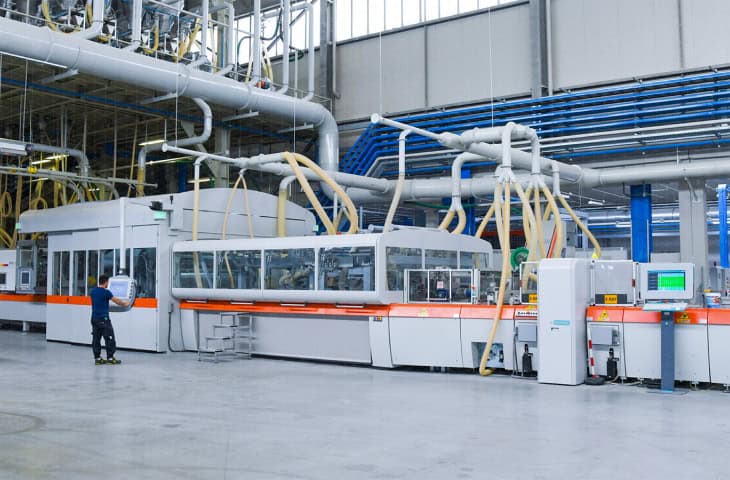
The global ceramic machinery market is predicted to reach USD 7.31 billion with a CAGR of 5.0% till 2030. This growth is driven by increasing demand across various end-use industries such as construction, automotive, electronics, and consumer goods, as well as technological advancements in ceramic production processes. The growing adoption of automation, digitalization, and energy-efficient solutions in ceramic manufacturing is further fueling the market’s expansion.
Ceramic machinery market, which includes equipment used for the production of ceramic tiles, sanitary ware, tableware, and other ceramic products, plays a crucial role in meeting the rising demand for high-quality, durable, and aesthetically appealing ceramics. As industries continue to innovate, the need for advanced machinery capable of enhancing productivity, improving product quality, and reducing production costs is increasing, creating significant opportunities for market growth.
Explore the Benefits with a FREE Sample!
Key Drivers of Market Growth
Several key factors are contributing to the growth of the ceramic machinery market:
- Technological Advancements in Ceramic Production: The development of advanced technologies in ceramic machinery, such as automated systems, robotics, and digital control systems, is transforming the manufacturing process. These innovations are improving efficiency, precision, and production speed while reducing labor costs and energy consumption. Automation is particularly beneficial in the production of large quantities of ceramic products, allowing manufacturers to meet growing demand more effectively.
- Rising Demand for Ceramic Products in the Construction Industry: The construction industry is one of the largest consumers of ceramic products, especially in the form of tiles, sanitary ware, and bricks. As urbanization continues to accelerate globally, the demand for ceramic materials for residential, commercial, and infrastructure projects is expanding rapidly. Ceramic tiles, in particular, are gaining popularity due to their durability, aesthetic appeal, and easy maintenance.
- Growing Demand for Energy-Efficient Machinery: As manufacturers seek to reduce production costs and minimize environmental impact, the demand for energy-efficient ceramic machinery is rising. Equipment that offers lower energy consumption, waste reduction, and higher operational efficiency is highly sought after. Additionally, advancements in kiln technology and heat recovery systems are enabling manufacturers to optimize energy use, reducing the carbon footprint of ceramic production.
Technological Innovations in Ceramic Machinery
The ceramic machinery market is undergoing significant transformations, fueled by technological innovations aimed at improving production efficiency and product quality:
- Automation and Robotics: The integration of automation and robotics in ceramic production is improving efficiency and precision while reducing human error. Robots are being used for tasks such as material handling, glazing, and quality inspection, allowing for more streamlined production lines and reduced labor costs. Additionally, automated systems enable manufacturers to achieve consistent product quality and meet increasing production demands.
- 3D Printing in Ceramics: The rise of 3D printing technology is having a transformative impact on the ceramics industry. 3D printers are being used to create highly customized ceramic products, from intricate designs to prototypes and personalized items. This technology allows for the creation of complex geometries and shapes that traditional ceramic machinery cannot produce, opening new possibilities for manufacturers in the consumer goods and architectural sectors.
- Energy-Efficient Kilns and Firing Technology: The ceramic machinery market is also benefiting from innovations in kiln technology. Modern kilns are designed to be more energy-efficient, incorporating features such as heat recovery systems and improved insulation. These advancements reduce the energy required for firing ceramic products and minimize environmental impact, aligning with the growing demand for sustainable manufacturing practices.
Market Segmentation
The global ceramic machinery market is segmented based on product type, application, and region:
- By Product Type:
- Tile Manufacturing Machinery: Tile production machinery includes equipment for shaping, pressing, glazing, and firing ceramic tiles. The growing demand for decorative, durable, and low-maintenance tiles in the construction industry is driving the growth of this segment.
- Sanitary Ware Manufacturing Machinery: Equipment used for producing sanitary ware, such as toilets, sinks, and bathtubs, is another significant segment. The increasing demand for modern, high-quality sanitary products in both residential and commercial buildings is contributing to this segment’s expansion.
- Tableware and Consumer Goods Machinery: This segment covers machinery used in the production of ceramic dinnerware, cookware, and decorative items. The growing interest in high-end, customized, and artisanal ceramic products is boosting demand for these machines.
- Others: Other ceramic machinery includes equipment for producing advanced ceramics used in automotive, electronics, and medical applications, such as spark plugs, capacitors, and bioceramics.
- By Application:
- Construction and Building Materials: The construction industry is a key end-user of ceramic products, particularly ceramic tiles, bricks, and sanitary ware. As construction activity increases worldwide, demand for ceramic machinery is rising.
- Consumer Goods and Kitchenware: The production of ceramic consumer goods, including dinnerware and cookware, is another significant application of ceramic machinery. The demand for premium and customized tableware is driving growth in this segment.
- Automotive and Industrial Applications: Ceramic materials are used in the automotive sector for components such as brake pads, spark plugs, and exhaust systems. The increasing demand for high-performance and lightweight materials in automotive manufacturing is driving the need for advanced ceramic production machinery.
Conclusion
The ceramic machinery market is poised for significant growth, driven by technological advancements, rising demand in construction and consumer goods sectors, and the increasing need for energy-efficient and automated solutions. As manufacturers continue to seek ways to improve production efficiency and product quality, the market will see ongoing innovation and transformation. Companies that focus on sustainable practices, digitalization, and high-performance machinery will be well-positioned to capitalize on the expanding opportunities in the global ceramic machinery market.
