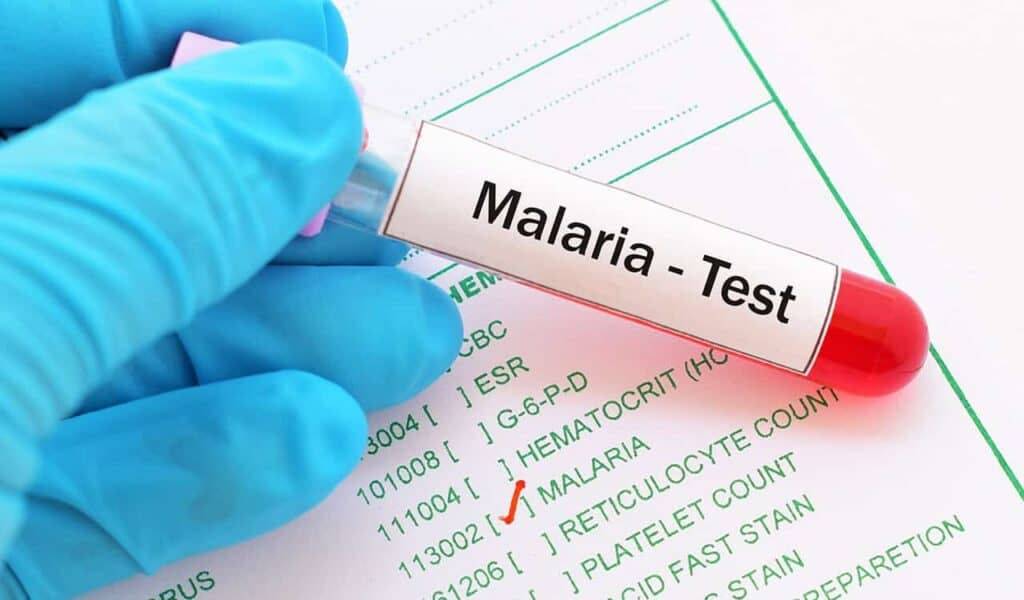
The malaria diagnostics market is poised for significant growth in 2025, driven by the rising global incidence of malaria, advancements in diagnostic technologies, and growing efforts to combat the disease in endemic regions. As malaria continues to be a major global health challenge, accurate and timely diagnostics remain essential to improving patient outcomes and controlling the spread of the disease. The malaria diagnostics market is expected to see continued innovation and adoption of advanced diagnostic tools, positioning it for expansion in the coming years.
The Malaria Diagnostics Market is predicted to reach USD 1,197.13 million with a CAGR of 4.8% by 2030. Malaria, caused by Plasmodium parasites and transmitted through the bites of infected mosquitoes, remains one of the deadliest infectious diseases worldwide. The World Health Organization (WHO) reports that there were an estimated 247 million cases of malaria, with a significant proportion occurring in sub-Saharan Africa. Early detection and treatment are crucial for controlling the disease and reducing mortality rates. As a result, the demand for reliable, cost-effective, and rapid diagnostic tests is growing, making the malaria diagnostics market a key area for investment and development.
Unlock a FREE Sample – Try Before You Buy!
Market Overview
The malaria diagnostics market includes a variety of diagnostic tests designed to detect Plasmodium infection in patients. These tests range from traditional microscopy to more advanced molecular diagnostics, such as polymerase chain reaction (PCR) and rapid diagnostic tests (RDTs). RDTs are particularly valuable in remote and low-resource settings, where access to laboratories and trained personnel is limited. With advancements in diagnostic technology, new and improved tests are emerging, enabling faster, more accurate diagnosis and treatment of malaria.
The malaria diagnostics market is driven by a combination of factors, including the increasing number of malaria cases in endemic regions, the need for rapid and accurate diagnostic methods, and ongoing research into more efficient diagnostic tools. Governments, international health organizations, and private-sector players are all playing critical roles in advancing malaria diagnostics, working to improve access to testing in high-burden areas.
Key Drivers of Market Growth
- Rising Malaria Incidence in Endemic Regions
The increasing number of malaria cases, particularly in sub-Saharan Africa, Southeast Asia, and Latin America, is a major factor driving the demand for improved diagnostic solutions. Although significant progress has been made in reducing malaria transmission in certain regions, the disease remains a significant health burden, with millions of cases reported annually. This growing prevalence is prompting investments in diagnostic tools to support early detection and intervention. - Technological Advancements in Diagnostics
Advancements in diagnostic technology are improving the accuracy, speed, and ease of malaria detection. Traditional microscopy, once the standard for malaria diagnosis, is being increasingly supplemented by more modern diagnostic methods. Rapid diagnostic tests (RDTs), which can detect malaria in as little as 15 minutes, have become an essential tool for frontline health workers in malaria-endemic areas. Additionally, molecular diagnostics, such as PCR and loop-mediated isothermal amplification (LAMP), are being explored for their ability to detect Plasmodium infections at a more precise level. These technologies are expected to enhance the effectiveness of malaria control programs globally. - Government and International Initiatives
Governments, the World Health Organization (WHO), and other international organizations are increasingly focused on malaria control and elimination. Initiatives such as the WHO’s Global Malaria Programme and the Roll Back Malaria Partnership have led to greater investments in malaria diagnostics and treatments. As part of these initiatives, large-scale campaigns are being launched to distribute diagnostic tests and improve healthcare infrastructure in malaria-endemic regions. These efforts are expected to increase demand for diagnostic tools, especially in areas with limited access to healthcare facilities. - Need for Early Diagnosis and Treatment
Timely and accurate diagnosis is critical for effective malaria treatment. If left untreated, malaria can lead to severe complications and even death. Early detection not only helps reduce mortality rates but also prevents the spread of the disease by identifying infected individuals who can then be treated and isolated. This demand for fast, reliable diagnostic tests is fueling the growth of the malaria diagnostics market, particularly in rural and underserved regions where access to medical care is limited. - Increasing Focus on Disease Elimination
There is a growing emphasis on malaria elimination strategies in many countries, particularly those that have made significant progress in reducing malaria transmission. In these regions, the focus has shifted from control to elimination, which requires more advanced diagnostic tools to detect asymptomatic cases and low-level infections. The global commitment to ending malaria by 2030 has led to increased investments in diagnostic technologies and research to identify new diagnostic tools capable of supporting elimination efforts.
Key Market Trends
- Rising Adoption of Rapid Diagnostic Tests (RDTs)
Rapid diagnostic tests (RDTs) have emerged as one of the most effective tools for malaria detection, especially in remote or resource-limited settings. RDTs offer quick results without the need for specialized laboratory equipment or trained personnel. As a result, they are being widely adopted in malaria-endemic countries, significantly improving access to early diagnosis and treatment. - Molecular Diagnostics Gaining Traction
Molecular diagnostic techniques, such as PCR and LAMP, are gaining popularity due to their high sensitivity and ability to detect low levels of malaria infection. These methods are particularly useful in eliminating malaria transmission, as they can identify asymptomatic or submicroscopic infections that would otherwise go undetected. While molecular diagnostics are currently more expensive and require specialized equipment, they are becoming more accessible as technology advances and costs decrease. - Integration with Digital Health Solutions
The integration of malaria diagnostics with digital health platforms is an emerging trend. Digital tools are being used to enhance the accuracy of diagnoses, manage data from diagnostic tests, and track disease outbreaks in real-time. Mobile health applications and electronic records are helping healthcare providers make better decisions and ensure that diagnostic data is shared quickly with health authorities. This trend is expected to expand as digital health technology becomes more widespread in malaria-endemic regions.
Outlook for the Future
The malaria diagnostics market is expected to continue its growth trajectory in 2025, fueled by increasing investments in research and development, advancements in diagnostic technologies, and a global commitment to malaria control and elimination. As diagnostic tools become more accessible, affordable, and effective, the global fight against malaria will benefit from faster detection and more accurate results. The adoption of new technologies and the expansion of diagnostic infrastructure in malaria-endemic regions will be key drivers of the market’s growth.
