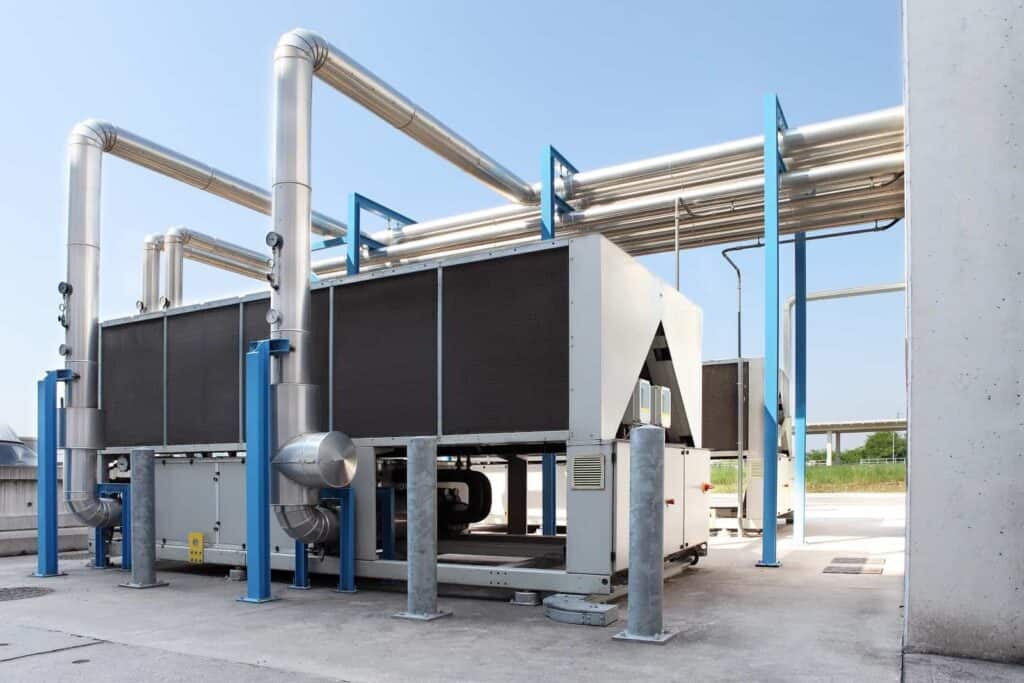
The Middle East air handling unit (AHU) market is experiencing robust growth, driven by the region’s expanding infrastructure projects, increasing demand for energy-efficient building solutions, and rising concerns over air quality and environmental sustainability. The AHU market is expected to continue expanding rapidly in the coming years, supported by developments in construction, industrial, and commercial sectors.
The Middle East Air Handling Unit (AHU) Market is predicted to reach USD 311.3 million at a CAGR of 7.0% by 2030. Air handling units are critical components of heating, ventilation, and air conditioning (HVAC) systems, responsible for conditioning and circulating air within a building. The Middle East’s increasing urbanization, coupled with a growing focus on sustainable buildings and energy efficiency, is positioning AHUs as a key element in the region’s infrastructure development.
Expanding Infrastructure and Urban Development
The Middle East has witnessed an unprecedented rate of infrastructure development, driven by large-scale urbanization and ambitious government projects. Countries such as the UAE, Saudi Arabia, Qatar, and Oman are investing heavily in both commercial and residential buildings, as well as industrial and hospitality sectors. These developments require advanced HVAC systems, where AHUs play a critical role in ensuring optimal indoor air quality and climate control.
As part of the region’s mega projects like Saudi Arabia’s NEOM, the Expo 2020 site in Dubai, and Qatar’s infrastructure for the 2022 FIFA World Cup, there is an increasing demand for cutting-edge HVAC solutions. AHUs are becoming a central focus of these projects due to their efficiency and ability to handle the large volumes of air required in modern buildings. The region’s growth in smart cities, eco-friendly buildings, and large-scale commercial and residential complexes further accelerates the need for reliable and energy-efficient air handling solutions.
Energy Efficiency and Sustainability: Key Drivers
With energy consumption being a significant concern in the Middle East, energy-efficient solutions have become a top priority for both governments and businesses. The region’s intense summer heat and reliance on air conditioning systems make AHUs essential for maintaining indoor comfort. However, traditional HVAC systems are often energy-intensive, prompting the shift towards more sustainable, energy-efficient solutions.
Air handling units with advanced energy recovery features, such as heat recovery wheels and enthalpy wheels, are gaining traction in the Middle East market. These technologies allow for improved energy conservation by recovering heat from the outgoing air and using it to pre-condition the incoming air. As a result, buildings can reduce energy consumption and minimize environmental impact while maintaining comfortable indoor environments.
Governments across the region are also introducing stricter energy efficiency regulations, such as the UAE’s Green Building Codes and Saudi Arabia’s Energy Efficiency Program, which are driving the adoption of more efficient AHU systems. These regulatory efforts are encouraging developers to integrate advanced HVAC solutions into their projects, further expanding the AHU market.
Growing Demand for Improved Air Quality
Indoor air quality (IAQ) has become a growing concern in the Middle East, where high outdoor temperatures and dust storms often result in poor air quality levels. As a result, building owners and developers are prioritizing systems that improve IAQ, reduce allergens, and regulate humidity levels. AHUs are key components in achieving this goal by filtering and circulating fresh air while also ensuring adequate ventilation and humidity control.
This has led to a surge in demand for AHUs equipped with advanced filtration and UV-C technologies to help purify the air. This shift in focus towards cleaner and healthier indoor environments is driving the adoption of more sophisticated air handling units across various sectors, including commercial, healthcare, hospitality, and residential buildings.
Market Challenges and Opportunities
Despite the growth prospects, the Middle East AHU market faces several challenges. The high initial cost of energy-efficient AHU systems, as well as the complexity of integrating these systems into existing infrastructure, can pose barriers to widespread adoption. Additionally, there is a need for skilled professionals to manage and maintain these advanced systems, which creates a demand for training and workforce development in the region.
However, these challenges also present opportunities. As the region continues to prioritize energy efficiency and sustainability, there is potential for innovation in AHU designs and features. Manufacturers are investing in research and development to produce systems that are both cost-effective and highly efficient. Additionally, the rising awareness of green building certifications, such as LEED and BREEAM, is pushing developers to incorporate state-of-the-art HVAC solutions that align with these standards.
Market Outlook
The Middle East AHU market is expected to grow at a significant pace over the next five years. This growth will be fueled by increasing infrastructure development, the adoption of energy-efficient technologies, and heightened awareness of indoor air quality and sustainability.
As the region continues to evolve, the integration of smart technologies, including IoT-enabled AHUs that allow for real-time monitoring and optimization, will further enhance the market’s growth prospects. The Middle East’s commitment to becoming a global leader in sustainable development ensures that the demand for energy-efficient and environmentally friendly air handling units will remain a key priority for years to come.
