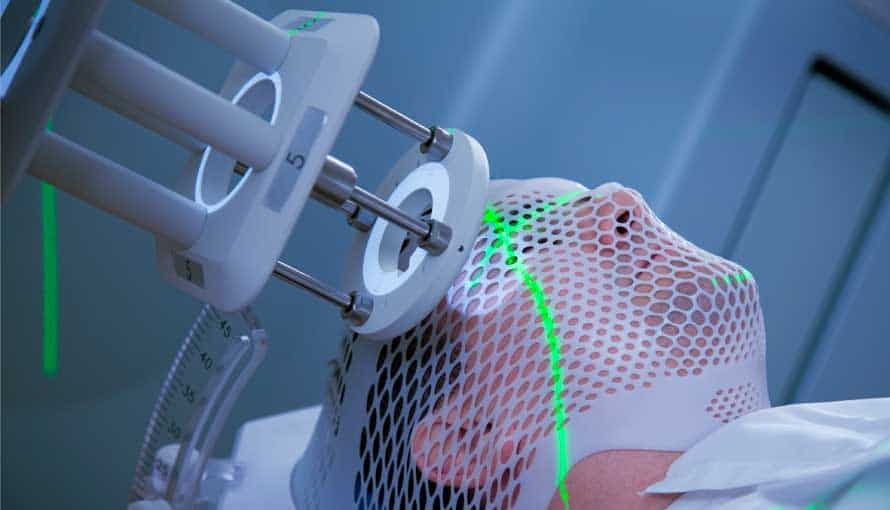
The global brain tumor diagnosis and therapeutics market is poised for substantial growth as advancements in diagnostic techniques and treatment options continue to improve survival rates and quality of life for patients. The market is expected to reach USD 1107.2 million by 2030, growing at a compound annual growth rate (CAGR) of 7.8% during the forecast period.
Brain tumors, including both malignant and benign types, are among the most complex and challenging medical conditions, requiring specialized diagnostic techniques and treatment approaches. As the global prevalence of brain tumors increases, the demand for innovative diagnostic tools and therapeutics is on the rise. With ongoing advancements in precision medicine, imaging technologies, and targeted therapies, the brain tumor diagnosis and therapeutics market is set for rapid expansion.
Start with a FREE Sample – Download Now!
Key Drivers of Growth in the Brain Tumor Diagnosis & Therapeutics Market
- Growing Prevalence of Brain Tumors: The rising incidence of brain tumors, particularly among the aging population, is driving demand for diagnostic and therapeutic solutions. According to the American Brain Tumor Association, brain tumors are among the most common types of cancer in both children and adults, and the incidence is expected to increase due to the aging global population.
Brain tumors can affect individuals at any age, and the burden of disease is growing worldwide. With a higher number of diagnoses, healthcare systems are increasingly turning to advanced diagnostic tools and innovative therapies to address the needs of this expanding patient population.
- Increasing Focus on Targeted Therapies and Immunotherapies: Traditional treatments for brain tumors, such as surgery, radiation therapy, and chemotherapy, can be effective but often come with significant side effects. In response, the brain tumor therapeutics market is undergoing a transformation, with an increasing focus on targeted therapies and immunotherapies that offer more precise, personalized treatment options.
Targeted therapies, such as tyrosine kinase inhibitors and monoclonal antibodies, are designed to specifically attack cancer cells while minimizing damage to healthy tissue. Immunotherapies, including immune checkpoint inhibitors and CAR T-cell therapies, are harnessing the body’s immune system to target and destroy tumor cells more effectively. These advancements are providing patients with more effective and less invasive treatment options, leading to improved survival rates and a better quality of life.
- Growing Investment in Research and Development: Ongoing research in brain tumor diagnosis and treatment is accelerating the development of novel therapies. Significant investments from pharmaceutical companies, government agencies, and nonprofit organizations are supporting the advancement of clinical trials, enabling the identification of new targets for treatment and the development of innovative drugs.
The increasing availability of funding for brain tumor research is also contributing to the discovery of new diagnostic biomarkers and therapies, accelerating the pace of innovation. As the research landscape evolves, there is a growing pipeline of drugs and devices in development, offering hope for more effective treatments in the future.
- Improved Access to Healthcare and Treatment Centers: Enhanced access to healthcare facilities and specialized treatment centers is making brain tumor diagnosis and treatment more widely available. With the globalization of healthcare services and advancements in telemedicine, patients are gaining greater access to top-tier diagnostic and treatment options, regardless of location.
Healthcare systems in both developed and developing countries are investing in the infrastructure needed to provide advanced diagnostic imaging and therapeutic solutions. This expansion is helping to meet the rising demand for brain tumor treatments and ensuring that patients have access to the care they need, regardless of their geographic location.
- Advancements in Diagnostic Techniques: Early detection is critical in improving the prognosis for brain tumor patients, and recent advancements in diagnostic technologies are enabling more accurate and timely diagnoses. Imaging modalities, such as magnetic resonance imaging (MRI), positron emission tomography (PET), and computed tomography (CT) scans, continue to evolve, offering higher resolution and more detailed views of brain tumors.
Click Here for Your FREE Sample!
Additionally, the development of non-invasive diagnostic tools like liquid biopsy, which analyzes biomarkers in blood samples, is revolutionizing early detection. These innovations are not only enhancing the accuracy of diagnoses but also facilitating the monitoring of tumor progression, recurrence, and the effectiveness of ongoing treatments.
Future Outlook
The brain tumor diagnosis and therapeutics market is expected to continue growing as advances in diagnostics and treatments provide patients with more effective options for managing and overcoming brain tumors. Innovations in personalized medicine, precision therapies, and imaging technologies are transforming the way brain tumors are detected and treated, leading to improved survival rates and better quality of life for patients.
As research continues to evolve, the market is poised for ongoing innovation, offering new hope to individuals diagnosed with brain tumors and enhancing the global fight against this complex and challenging disease.
