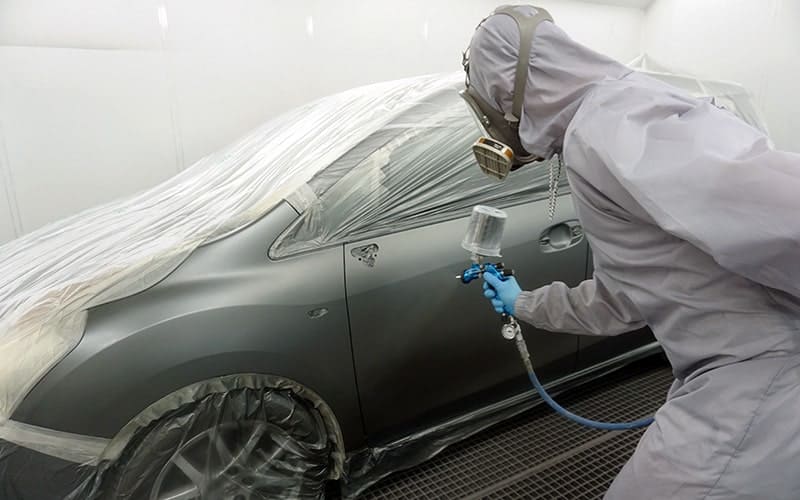
The global automotive paints market is witnessing significant expansion as the automotive industry evolves in response to changing consumer preferences, environmental concerns, and technological advancements. The global Automotive Paints Market size is predicted to reach USD 11.49 Billion with a CAGR of 5.4% till 2030. This growth is largely driven by the increasing demand for high-quality, durable, and aesthetically pleasing paint finishes, along with heightened regulatory standards focused on sustainability and environmental protection.
Market Overview: Automotive Paints
Automotive paints market are specialized coatings designed to provide color, texture, and protective properties to vehicles. These paints are typically made up of basecoats, clearcoats, primers, and undercoats, which work together to provide a durable finish that can withstand the rigors of daily use, weather conditions, and general wear and tear. Automotive paints can be categorized into different types based on their chemical composition, application techniques, and the benefits they offer:
Get Instant Access to a FREE Sample!
- Basecoats: The primary layer of paint that provides the vehicle’s color. Basecoats are often pigmented and are designed to deliver a high-quality finish. Common basecoat formulations include solvent-based, water-based, and UV-curable systems.
- Clearcoats: This is the protective layer that provides durability and a glossy finish. Clearcoats are essential for shielding the basecoat from UV rays, scratches, and environmental damage. They can be formulated for specific performance features such as high gloss or matte finishes.
- Primers and Undercoats: Primers and undercoats are applied to improve the adhesion of the basecoat and clearcoat, provide corrosion resistance, and ensure a smooth surface for the paint layers.
- Specialty Coatings: These include custom paints, pearl finishes, matte finishes, and metallic coatings that enhance the aesthetics of vehicles and provide unique visual effects.
The market is characterized by continuous innovation in paint technologies, with new formulations being developed to improve performance, reduce environmental impact, and offer a wider variety of finishes. Additionally, advancements in application methods, such as electrostatic spray systems and robotic painting techniques, are helping manufacturers achieve more precise and efficient painting processes.
Key Drivers of Market Growth
Technological Integration and Smart Coatings
As the automotive industry becomes more connected, there is a growing demand for smart coatings and paints that can interact with technology. Smart coatings, including those that offer self-healing properties, can respond to environmental factors such as UV radiation, humidity, and temperature, improving the durability and longevity of the paint.
Another innovation in the field is the development of thermochromic and photochromic paints, which change color based on temperature or light exposure. These paints, which are gaining popularity in high-end vehicles, offer unique aesthetic qualities and functionality, opening new avenues for automotive paint suppliers to explore.
Emerging Markets Driving Demand for Economical Paint Solutions
While the demand for premium and custom finishes is on the rise in developed markets, there is also a significant opportunity in emerging markets for more cost-effective paint solutions. The increasing production of budget-friendly vehicles in regions such as Asia-Pacific, Latin America, and Africa is driving demand for affordable, high-performance paints that meet both the needs of automakers and consumers.
Companies that offer economical paint solutions with improved durability, scratch resistance, and protection against environmental factors can capitalize on the growing vehicle production and sales in these regions.
Collaborations Between Paint Suppliers and Automakers
Collaborations and partnerships between paint suppliers and automotive manufacturers are becoming more prevalent, with paint suppliers working closely with automakers to develop customized coatings that meet specific performance requirements. This collaboration allows for the creation of specialized coatings that enhance the aesthetic appeal and functionality of vehicles, from electric vehicles (EVs) to luxury and performance cars.
Try it Risk-Free – Download Your FREE Sample!
By working directly with vehicle manufacturers, paint suppliers can better understand the unique requirements of the automotive sector, driving innovations that improve paint performance, ease of application, and sustainability.
Challenges in the Automotive Paints Market
High Cost of Premium Paints
While there is growing demand for high-end, customized paint finishes, the cost of premium paints, especially those with advanced features like metallic, pearlescent, or UV-resistant properties, can be prohibitively high. These costs are often passed on to consumers, which could limit the adoption of premium paints in certain market segments.
Additionally, the cost of raw materials for automotive paints, such as resins and pigments, has been subject to fluctuations, further influencing pricing. Manufacturers are exploring cost-effective alternatives and innovations in paint formulations to address these challenges.
Supply Chain Disruptions and Raw Material Shortages
The automotive paints market is not immune to global supply chain disruptions and raw material shortages. For example, the availability of key chemicals and pigments, as well as environmental regulations on their use, can create challenges for paint manufacturers.
Additionally, the volatility in the prices of raw materials such as titanium dioxide, resins, and solvents can impact production costs, forcing manufacturers to seek alternative materials or adapt their supply chain strategies to mitigate risks.
Competitive Landscape
The global automotive paints market is highly competitive, with several leading players operating in the space. Key players in the market include:
- PPG Industries – A global leader in automotive coatings, PPG offers a wide range of paints and coatings for both OEM and aftermarket applications.
- Axalta Coating Systems – Known for its innovative and high-performance automotive coatings, Axalta provides solutions that meet the needs of automotive manufacturers worldwide.
- BASF SE – BASF offers a comprehensive portfolio of automotive coatings, including solutions that cater to both environmental sustainability and premium finishes.
- Sherwin-Williams – A major player in the automotive paint industry, Sherwin-Williams provides a variety of high-quality paints for automotive applications.
- Kansai Paint Co., Ltd. – Kansai Paint is a leading supplier of automotive coatings, focusing on providing innovative, eco-friendly, and durable paint solutions.
Conclusion
The automotive paints market is set for substantial growth, driven by the increasing demand for customized finishes, regulatory pressures for sustainability, and continuous innovations in paint technologies. As vehicle manufacturers and consumers alike seek improved aesthetics, performance, and environmental compliance, the market for automotive paints is expected to continue evolving, presenting significant opportunities for paint suppliers and manufacturers across the globe.
With emerging markets, technological advancements, and growing trends in customization, the automotive paints industry is poised for a dynamic future. Companies that focus on innovation, sustainability, and meeting the diverse needs of the automotive sector will continue to play a key role in shaping the next generation of automotive coatings.
