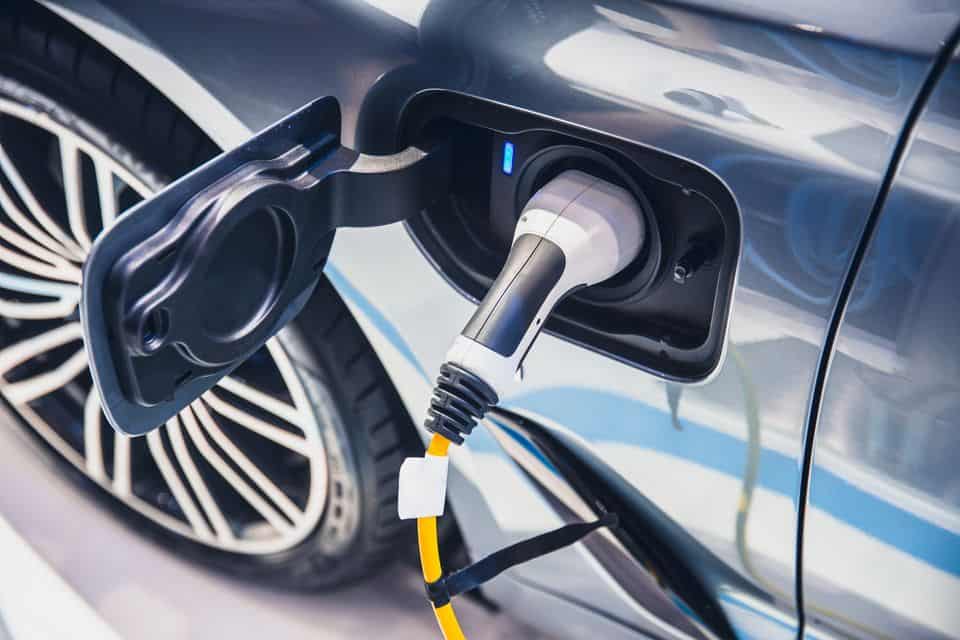
According to Next Move Strategy Consulting, the Singapore Electric Vehicle (EV) Charging Market, is poised for substantial growth, with projections indicating a rise to USD 650.92 million by 2030. This represents a compound annual growth rate (CAGR) of 34.4% from 2023 to 2030. The surge in the EV market, bolstered by government initiatives and the increasing adoption of electric vehicles, is driving the demand for enhanced charging infrastructure across the country.
The Role of EV Chargers in the Transition to Sustainable Transport
Singapore Electric Vehicle (EV) Charging Market are integral to supporting the transition to sustainable transportation. They connect electric vehicles (EVs) to an electrical grid, facilitating the charging of EV batteries. The chargers are classified by the speed at which they deliver power, with three primary levels of charging: Level 1, Level 2, and Level 3.
Click Here for Your FREE Sample!
- Level 1 chargers are the slowest, typically taking 6 to 16 hours to fully charge a vehicle.
- Level 2 chargers are faster and suitable for both residential and commercial spaces.
- Level 3 chargers, or ultra-fast chargers, provide a high-speed charging solution, refueling an EV in less than 30 minutes, and are crucial for long-distance travel.
The growth of EV chargers is vital to reduce carbon emissions from the transportation sector, a major contributor to global warming. As demand for clean energy vehicles increases, the charging infrastructure must evolve to meet the needs of this burgeoning market.
Government Initiatives Accelerating EV Charging Infrastructure Development
A significant driver behind the growth of the EV charging market in Singapore is the government’s commitment to expanding its charging infrastructure. This includes 20,000 charging points in private buildings and 40,000 in public spaces such as parks, parking lots, and along highways.
Surging Adoption of EVs Driving Increased Demand for Charging Stations
The rise in EV adoption in Singapore is having a direct impact on the EV charging sector. As more individuals and businesses embrace electric vehicles, the need for reliable and easily accessible charging stations has intensified.
The Land Transport Authority (LTA) reported that by September 2022, over 3,000 EV charging stations were installed in Singapore, marking a 50% increase compared to 2021. The demand for EVs continues to grow, with the LTA planning to install an additional 400 charging stations by the end of 2022. This expansion of EV charging infrastructure is crucial to supporting the growing number of EVs on the road and ensuring the smooth operation of an all-electric transportation network.
Fast Charging Technologies and Market Challenges
While fast chargers are in high demand due to their ability to recharge vehicles quickly—typically in under 30 minutes—there are significant challenges related to their deployment. One of the most significant hurdles is the high installation cost of Level 3 (ultra-fast) chargers, which can discourage businesses and consumers from adopting them. The upfront costs involved in installing fast chargers are far higher than those of Level 1 and Level 2 chargers, which can take much longer to fully charge an EV.
Vehicle-to-Grid (V2G) Technology: A Game-Changer for the EV Charging Market
An exciting and promising development in the EV charging sector is the adoption of Vehicle-to-Grid (V2G) technology. V2G enables bidirectional energy flow, allowing electric vehicles to not only draw power from the grid but also feed surplus electricity back into the system. This feature enhances the overall value of EVs, making them even more sustainable and beneficial to owners.
V2G technology has the potential to significantly change how energy is used and managed, offering new opportunities for both EV owners and energy providers. As the EV market in Singapore grows, V2G charging stations will become a crucial part of the infrastructure, helping to improve the efficiency and sustainability of the overall power grid.
For manufacturers, V2G technology presents an opportunity to innovate and develop advanced connectors capable of supporting these high-tech charging systems. However, the initial costs of installing V2G stations are significant, which could hinder their widespread adoption in the short term. Nevertheless, the long-term benefits of this technology make it an exciting development for the future of EV charging.
Competitive Landscape: Key Market Players
The Singapore Electric Vehicle (EV) Charging market is highly competitive, with key players contributing to the growth and development of the sector. Prominent companies in this space include:
- ABB Ltd.
- Tesla
- Shell Recharge Solutions
- StarCharge
- Schneider Electric
- Siemens
- SP Group
- ChargeEco
- EVOne Charging Pte Ltd.
- Charge+
- Eaton
- Volt Singapore Pte Ltd.
- Delta Electronics, Inc.
- TotalEnergies
- LITE-ON Technology Corporation
These players are continuously innovating to provide efficient, high-speed, and cost-effective charging solutions. In addition to offering traditional AC and DC charging solutions, companies are focusing on emerging technologies such as V2G and smart grid integration to meet the evolving needs of the EV market.
Market Segmentation: By Charger Type, Speed, and Installation
The Singapore EV charging market is segmented into various categories based on charger type, charging speed, connector type, installation method, and end-user application. This segmentation includes:
- By Type of Charger: AC Chargers, DC Chargers
- By Charging Speed: Level 1, Level 2, Level 3
- By Connector Type: J1772 (Type 1), Mennekes (Type 2), CCS (Combined Charging System), CHAdeMO
- By Charging Modes: Mode 1, Mode 2, Mode 3, Mode 4
- By Installation: Fixed, Portable
- By End User: Commercial, Residential, Public Charging Stations, Fleet Charging Stations, Workplace Charging Stations
These various categories allow stakeholders to target specific segments of the market, catering to diverse consumer needs, from home chargers to high-speed public charging stations.
Conclusion
The Singapore Electric Vehicle (EV) Charging Market is set for robust growth in the coming years, driven by increasing EV adoption, government-led initiatives, and innovations in charging technology. With the expansion of EV charging infrastructure and the rising demand for fast, efficient, and accessible charging solutions, Singapore is poised to become a leader in the global shift towards sustainable, electric transportation. The ongoing development of vehicle-to-grid technologies and the strong competitive landscape will continue to drive innovation and investment in the market, further solidifying Singapore’s position as a key player in the EV revolution.
