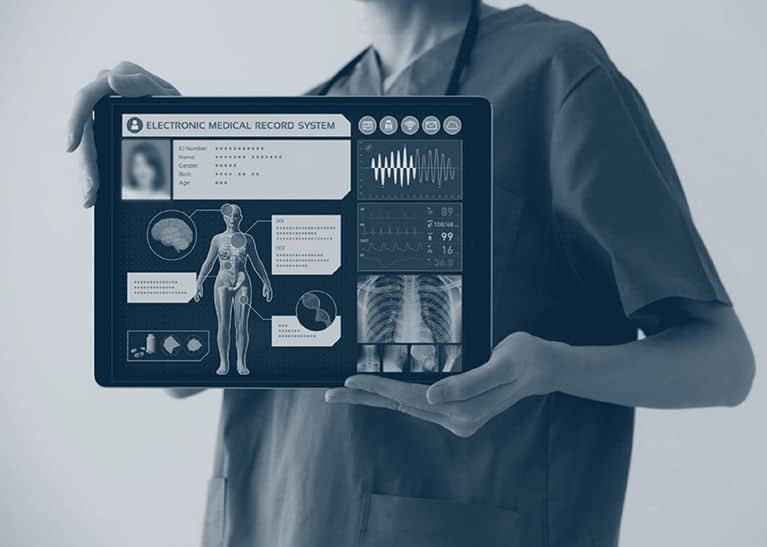
The global healthcare identity and access management (IAM) market is set to experience substantial growth in the coming years, driven by the increasing need for enhanced security, regulatory compliance, and streamlined patient care workflows. The global Healthcare Identity and Access Management Market size is predicted to reach USD 7.51 billion with a CAGR of 9.65% till 2030. This rapid expansion is being fueled by the rising adoption of digital health technologies, an increase in cyberattacks targeting healthcare organizations, and the growing demand for more efficient and secure management of patient and healthcare provider identities.
Healthcare identity and access management solutions are critical in ensuring the confidentiality, integrity, and availability of sensitive patient data while simultaneously improving operational efficiency and facilitating secure access to digital healthcare services. These solutions help healthcare organizations manage user identities, authenticate users, and ensure that only authorized individuals can access sensitive healthcare systems and data, such as electronic health records (EHRs) and other patient-centric services.
Market Overview: Healthcare Identity and Access Management
Healthcare identity and access management (IAM) market refers to the technologies and processes that enable healthcare organizations to control user access to sensitive data and resources within their systems. IAM solutions help healthcare providers manage identities, authenticate users, authorize actions, and ensure compliance with regulatory standards such as the Health Insurance Portability and Accountability Act (HIPAA) in the United States and the General Data Protection Regulation (GDPR) in Europe.
Claim Your FREE Sample and See the Difference!
IAM systems typically include features such as:
- User Authentication – Verifying the identity of individuals before granting access to healthcare systems, applications, or data.
- Single Sign-On (SSO) – Enabling healthcare professionals and patients to access multiple applications and systems using a single set of login credentials.
- Role-Based Access Control (RBAC) – Granting access permissions based on users’ roles within the organization, ensuring that only authorized personnel can access sensitive patient data.
- Multi-Factor Authentication (MFA) – Adding additional layers of security beyond a password, such as biometric verification, to confirm the identity of the user.
- Identity Governance and Administration (IGA) – Managing the lifecycle of user identities, from creation to deletion, ensuring that access rights are granted and revoked appropriately.
These IAM solutions are being increasingly adopted by healthcare organizations, ranging from hospitals and clinics to insurance companies and pharmaceutical firms, as they look to protect sensitive patient data and comply with various regulatory requirements.
Key Drivers of Market Growth
Rising Cybersecurity Threats in Healthcare
Cybersecurity threats targeting healthcare organizations have become a significant concern, as healthcare data is often a prime target for cybercriminals. The healthcare sector is a frequent victim of data breaches, ransomware attacks, and phishing campaigns, which can have devastating consequences for both patients and healthcare providers. Healthcare data is particularly valuable due to its sensitivity, making it a prime target for identity theft, fraud, and other malicious activities.
IAM solutions play a critical role in protecting sensitive patient information by controlling access to healthcare systems and ensuring that only authorized personnel can view or modify confidential data. As cyber threats continue to evolve and become more sophisticated, the demand for IAM solutions that can protect against these threats is expected to rise.
Digital Transformation of Healthcare Systems
The ongoing digital transformation of healthcare systems, driven by the adoption of electronic health records (EHRs), telemedicine platforms, wearable health devices, and cloud-based solutions, has created new challenges and opportunities for identity and access management. As more healthcare services move online, healthcare organizations need IAM solutions that can seamlessly integrate with cloud-based applications and healthcare platforms while ensuring secure and efficient access management.
The adoption of cloud-based IAM solutions is expected to increase significantly as healthcare providers embrace more flexible and scalable infrastructures. Cloud IAM solutions offer healthcare organizations the ability to manage user access across various applications and platforms while reducing the burden of on-premise IT infrastructure. This transition to the cloud is being accelerated by the growing use of telemedicine, remote patient monitoring, and other digital health technologies.
Need for Improved Patient Experience and Provider Efficiency
Healthcare organizations are increasingly focusing on improving the patient experience and enhancing provider efficiency. IAM solutions that offer Single Sign-On (SSO) capabilities and Multi-Factor Authentication (MFA) improve user convenience while maintaining high levels of security. By enabling healthcare professionals to access patient information, EHRs, and other systems with a single set of credentials, SSO solutions reduce login times and streamline workflows.
Furthermore, IAM solutions that integrate with electronic health records (EHR) and patient management systems can help healthcare providers make informed decisions, improve collaboration between care teams, and reduce administrative burdens. This results in enhanced provider efficiency, which ultimately leads to improved patient outcomes.
Increasing Use of Mobile Health Applications and Wearables
The rise of mobile health applications, telemedicine platforms, and wearable devices has created new access points for patient data, making identity and access management even more critical. These digital tools allow patients to access their health records, book appointments, and interact with healthcare providers from anywhere. However, they also introduce new vulnerabilities in terms of data security and unauthorized access.
IAM solutions can address these challenges by providing secure authentication and access control mechanisms across mobile and IoT-enabled devices. The increasing reliance on mobile health applications and wearables in patient care is driving the need for IAM solutions that can securely manage access to sensitive health information across a variety of devices.
- AI and Machine Learning in IAM
The integration of artificial intelligence (AI) and machine learning (ML) technologies into IAM solutions is enhancing security and improving access control. AI-powered IAM solutions can detect anomalous user behavior, predict potential security breaches, and provide real-time alerts to security teams. By using machine learning to analyze access patterns, these solutions can automatically adjust access privileges and permissions based on evolving risks and user behavior.
Explore the Benefits with a FREE Sample!
Conclusion
The healthcare identity and access management market is expected to experience significant growth in the coming years, driven by the increasing need for enhanced security, regulatory compliance, and digital transformation across healthcare organizations. As the healthcare sector continues to embrace cloud technologies, mobile health applications, and wearable devices, the demand for IAM solutions that ensure secure, efficient, and compliant access to patient data will grow.
With innovations in AI, machine learning, and cloud-based IAM solutions, the market is set to evolve rapidly, presenting opportunities for healthcare providers to enhance both security and operational efficiency. However, challenges related to data privacy, integration with legacy systems, and the need for regulatory compliance will continue to shape the market as healthcare organizations look for ways to protect sensitive patient data while delivering high-quality care.
