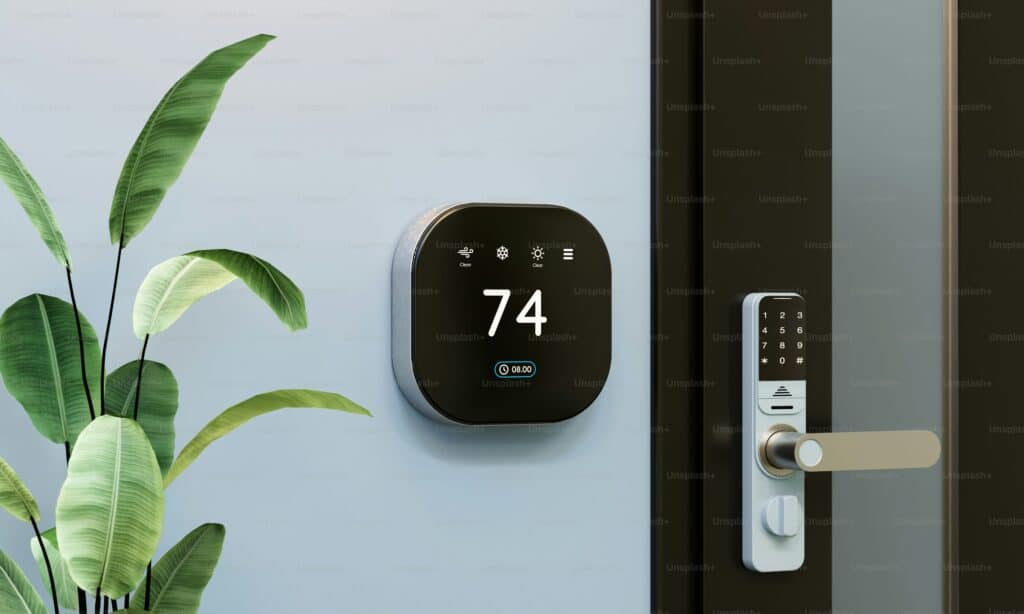
the Smart Thermostat Market is witnessing rapid growth, driven by advancements in technology, increasing energy costs, and growing consumer demand for home automation solutions. As the world becomes more connected, the shift towards smarter homes and energy-efficient solutions has gained considerable traction. Smart thermostats, which offer homeowners the ability to remotely control their heating, ventilation, and air conditioning (HVAC) systems, are playing a pivotal role in this transformation. The market is projected to expand at a CAGR of 19.20% from 2024 to 2030, reaching USD 13.80 billion by the end of the forecast period.
A Smart Thermostat Market is a device that manages and regulates the temperature in a home or building using Wi-Fi, Bluetooth, or other connected technologies. These devices can be controlled remotely via smartphone apps, voice assistants, or home automation systems.
Click Here for Your FREE Sample!
Market Drivers
Energy Efficiency and Cost Savings
The primary driver of the smart thermostat market is the growing demand for energy efficiency and cost savings. As global energy prices continue to rise, consumers are increasingly looking for ways to reduce their energy consumption and lower utility bills. Smart thermostats offer an effective solution by allowing users to program temperature settings and optimize energy usage based on real-time data. These devices can also learn household schedules, automatically adjusting the temperature when the home is unoccupied, thereby reducing unnecessary energy consumption.
Growing Awareness of Smart Home Technology
As the global smart home market continues to expand, smart thermostats are becoming an integral part of connected home systems. With the increasing adoption of voice-controlled devices, home automation systems, and IoT platforms, smart thermostats are benefiting from the growing trend of home connectivity. Consumers are increasingly looking for ways to make their homes more convenient, energy-efficient, and secure, and smart thermostats fit seamlessly into this evolving lifestyle.
Market Trends
Integration with Home Automation Systems
One of the key trends in the smart thermostat market is the increasing integration with broader home automation systems. Smart thermostats are no longer standalone devices but are being incorporated into larger smart home ecosystems. This trend allows users to control multiple aspects of their homes, including lighting, security, and HVAC Systems, from a single platform or app.
Click Here for Your FREE Sample!
Adoption in Commercial Spaces
While the residential market remains the largest segment for smart thermostats, the commercial sector is also seeing significant adoption. Commercial buildings, including offices, hotels, and retail spaces, are increasingly turning to smart thermostats to reduce energy costs and enhance operational efficiency. These buildings typically have larger HVAC systems and higher energy demands, making the need for energy-efficient solutions even more pressing.
Focus on User Experience and Customization
As the smart thermostat market becomes more competitive, manufacturers are focusing on enhancing the user experience through customization and personalization. Many smart thermostats now allow users to set custom schedules, monitor energy usage, and receive notifications on energy-saving tips. The goal is to make these devices as intuitive and user-friendly as possible, so consumers can easily configure and control their thermostats.
Energy Management and Data Analytics
The integration of data analytics and energy management systems with smart thermostats is becoming increasingly important. As these devices collect data on temperature patterns, energy consumption, and user behavior, this data can be analyzed to provide insights into how energy usage can be optimized. Many smart thermostats now offer detailed reports and analytics, allowing users to track their energy savings over time and identify opportunities for further optimization.
Challenges in the Market
High Initial Cost
Despite the numerous benefits offered by smart thermostats, the high initial cost remains a significant barrier to widespread adoption, particularly in emerging markets. While the long-term savings on energy bills can offset the upfront investment, the initial cost of purchasing and installing a smart thermostat may deter some consumers, especially those with limited budgets.
Compatibility Issues
Another challenge in the smart thermostat market is the compatibility of these devices with existing HVAC systems. Not all HVAC systems are compatible with smart thermostats, which can limit their adoption. Homeowners and businesses may need to invest in upgrades or modifications to their HVAC systems to make them compatible with smart thermostats, adding to the overall cost.
Security and Privacy Concerns
As with any connected device, security and privacy concerns are a major issue for smart thermostat users. Hackers may attempt to gain unauthorized access to connected devices, potentially compromising users’ personal data or even causing damage to HVAC systems. Manufacturers are continuously working to improve the security features of smart thermostats by implementing encryption, authentication, and other security protocols.
Regional Analysis
North America
North America is the largest market for smart thermostats, driven by high levels of awareness, a strong preference for energy-efficient solutions, and the widespread adoption of smart home technologies. The United States is the largest contributor to this market, with major players such as Nest (Google), Ecobee, and Honeywell leading the way.
The U.S. government’s commitment to reducing energy consumption and promoting sustainability through tax incentives and rebates is also supporting the growth of the market.
Europe
Europe is a key market for smart thermostats, with countries such as the UK, Germany, and France driving demand. In Europe, energy efficiency regulations and sustainability targets are encouraging the adoption of smart thermostats. The European Union has set ambitious goals for reducing carbon emissions, and smart thermostats are seen as an important tool in achieving these targets.
Asia-Pacific
The Asia-Pacific region is expected to witness significant growth in the smart thermostat market, particularly in countries like China, Japan and South Korea. The growing adoption of smart home devices, increasing urbanization, and rising awareness about energy efficiency are contributing to the market’s growth in this region.
Conclusion
The global smart thermostat market is poised for continued growth, driven by advancements in technology, the demand for energy-efficient solutions, and the growing adoption of smart home devices. As consumers and businesses alike seek to optimize energy consumption and reduce costs, smart thermostats are becoming an essential part of connected homes and buildings.
