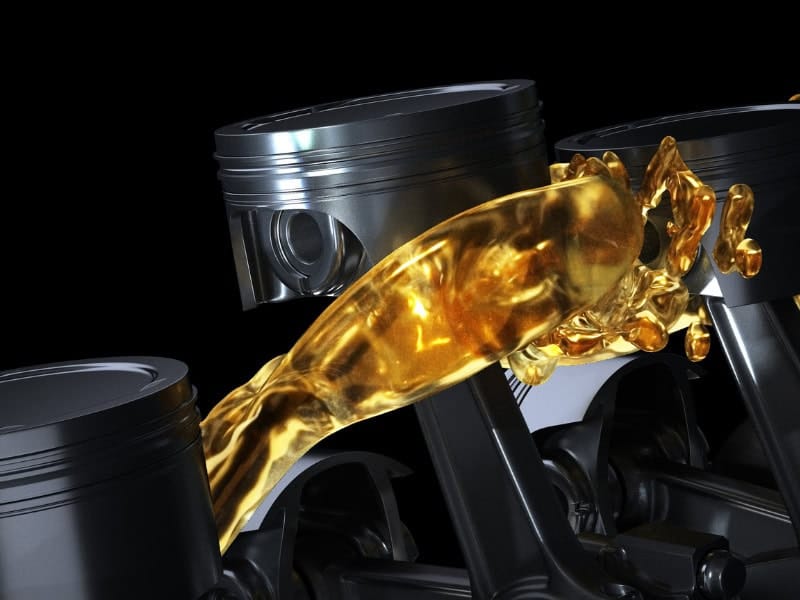
The global lubricants market is experiencing significant expansion, driven by a rising demand for high-performance lubricants in the automotive and industrial sectors, alongside growing attention to sustainability and environmentally friendly solutions. The global Lubricants Market size is predicted to reach USD 174.74 billion with a CAGR of 3.0% till 2030. This growth is being fueled by the increasing need for energy-efficient lubricants, evolving environmental regulations, and continuous advancements in lubricant formulations that meet the diverse demands of industries worldwide.
Lubricants are essential in reducing friction between moving parts, enhancing machinery performance, preventing wear and tear, and improving energy efficiency. They are used in a wide variety of industries, including automotive, industrial manufacturing, energy, mining, and more. As the global economy continues to evolve and industries shift toward greater sustainability and efficiency, the lubricants market is poised for continued growth, innovation, and transformation.
Market Overview: Lubricants Market
The lubricants market encompasses various types of products, including engine oils, industrial lubricants, greases, and metalworking fluids, each serving different industries with specific needs. The automotive sector remains the largest consumer of lubricants, particularly engine oils, as the demand for high-performance, fuel-efficient vehicles increases. The industrial sector, which includes applications across manufacturing, mining, energy, and machinery maintenance, is also witnessing a surge in the adoption of advanced lubricants to optimize production processes and reduce energy consumption.
Click Here for Your FREE Sample!
As technological advancements in vehicles and industrial machinery continue, the need for specialized lubricants that offer superior performance, extended lifespan, and compatibility with new technologies is growing. Moreover, the introduction of bio-based and synthetic lubricants, designed to reduce environmental impact, is further propelling the market’s evolution. These products offer superior performance, lower toxicity, and the ability to operate in extreme conditions, making them increasingly popular in industries where environmental concerns and regulatory compliance are top priorities.
Key Drivers of Market Growth
Demand for Energy-Efficient and High-Performance Lubricants
Energy efficiency has become a top priority for industries seeking to reduce operational costs and minimize their carbon footprint. The automotive and industrial sectors are increasingly adopting lubricants designed to reduce energy consumption and enhance engine or machine performance. High-performance lubricants can improve fuel efficiency, lower emissions, and reduce maintenance costs, all of which are driving demand across various industries.
In the automotive sector, the shift towards electric vehicles (EVs) and hybrid electric vehicles (HEVs) is also influencing lubricant demand. While electric vehicles typically require fewer lubricants than traditional internal combustion engine (ICE) vehicles, specialized lubricants are still necessary for components like transmissions, bearings, and cooling systems. This shift to EVs presents an opportunity for lubricant manufacturers to develop innovative products for next-generation vehicles.
Technological Advancements in Lubricant Formulations
Ongoing research and development in lubricant formulations are creating new opportunities for market growth. Manufacturers are focusing on producing lubricants that can withstand extreme temperatures, reduce friction, and offer longer-lasting performance. Advancements in synthetic and semi-synthetic oils are providing improved efficiency and protection for both engines and machinery.
The development of high-viscosity lubricants, for example, is particularly crucial in industrial machinery, where heavy-duty equipment and high-speed operations require lubricants that can perform under intense pressure. Additionally, manufacturers are innovating to provide lubricants that are compatible with emerging technologies such as autonomous vehicles, electric motors, and renewable energy machinery.
Increasing Adoption of Sustainable and Eco-Friendly Lubricants
As industries and governments around the world place increasing emphasis on sustainability and reducing environmental impact, the demand for eco-friendly lubricants is on the rise. Eco-friendly lubricants are derived from renewable sources and are biodegradable, non-toxic, and free from harmful additives. These lubricants are designed to minimize the environmental impact when they spill or are disposed of, making them an attractive option for industries looking to meet stringent environmental regulations.
The introduction of bio-based lubricants, which are produced from renewable sources such as vegetable oils, has gained significant momentum. These lubricants offer similar or even superior performance to conventional petroleum-based oils while offering environmental benefits such as reduced carbon emissions and lower toxicity. Additionally, synthetic lubricants continue to gain popularity for their durability, better thermal stability, and extended oil change intervals.
Stringent Environmental Regulations and Standards
Environmental regulations concerning emissions, waste disposal, and the use of hazardous substances have become more stringent in many regions. For instance, regulations such as the European Union’s REACH (Registration, Evaluation, Authorization, and Restriction of Chemicals) and EPA (Environmental Protection Agency) standards in the U.S. are pushing industries to adopt environmentally friendly solutions, including biodegradable lubricants that can meet regulatory standards.
Lubricant manufacturers are under pressure to develop products that comply with these increasingly stringent regulations, while also providing high performance. As a result, there has been a marked increase in the production of environmentally safe lubricants that offer the performance necessary to meet industrial and automotive requirements.
Shift to Electric and Hybrid Vehicles Driving New Lubricant Technologies
With the automotive industry undergoing a transformative shift toward electric vehicles (EVs) and hybrid vehicles (HEVs), the lubricants market is also adapting. While traditional internal combustion engine (ICE) vehicles require a wide range of lubricants, electric and hybrid vehicles have different lubrication needs, such as specialized cooling fluids, transmission oils, and greases for battery systems and electric motors.
Explore the Benefits with a FREE Sample!
This shift provides an opportunity for lubricant manufacturers to innovate and develop products specifically tailored for electric and hybrid vehicles. Companies that can successfully meet these new requirements are well-positioned to capitalize on the expanding market for EV-related lubricants.
Conclusion
The lubricants market is poised for significant growth as industries worldwide continue to prioritize efficiency, sustainability, and advanced technology solutions. The demand for high-performance, energy-efficient lubricants across the automotive, industrial, and energy sectors is driving market expansion, while innovations in bio-based and synthetic lubricants are meeting the growing need for environmentally friendly solutions.
