According to Next Move Strategy Consulting, the European Distributed Control System (DCS) Market is on track for significant growth, with an estimated market value projected to reach USD 11.11 billion by 2030. This marks a robust Compound Annual Growth Rate (CAGR) of 4.9% by 2030. The increased demand for industrial automation and sustainability initiatives across key industries is driving this growth, signaling a bright future for DCS technology across Europe.
Understanding Distributed Control Systems
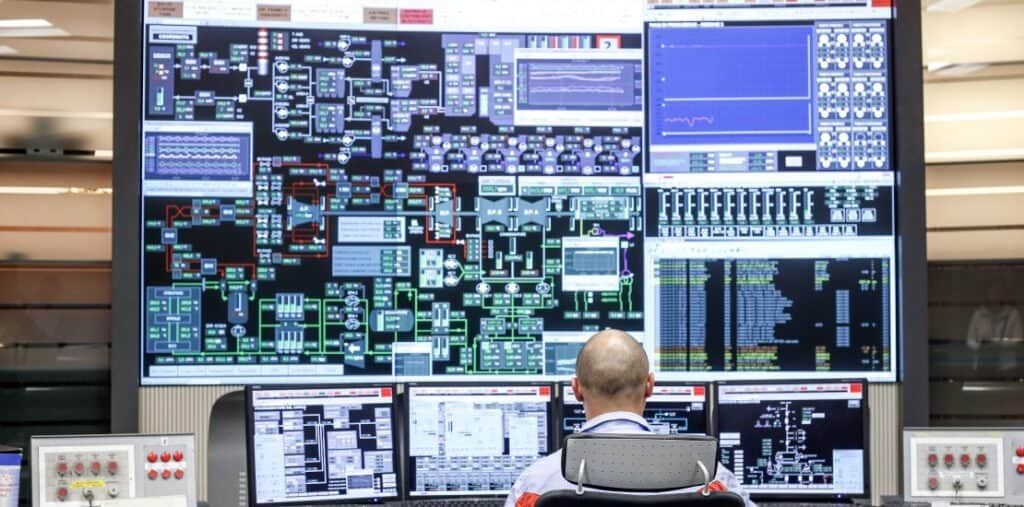
A Distributed Control System (DCS) is a computer-based automation solution used to control and monitor industrial processes across large-scale facilities. These systems consist of interconnected controllers distributed throughout a facility to ensure smooth communication and seamless coordination of processes. DCS are essential for industries like oil refineries, chemical plants, pharmaceuticals, food and beverages, and power generation.
The primary function of a DCS is to automate complex processes, offering benefits such as enhanced efficiency, better quality control, improved safety, and reduced downtime. The fault-tolerant, redundant nature of DCS ensures continuous operation even if one controller fails, thus providing a reliable solution to industries where uptime and safety are critical. DCS systems also offer predictive maintenance capabilities, enabling businesses to take proactive steps to minimize downtime and optimize performance.
Rising Demand for DCS in Industrial Automation
The growing trend toward industrial automation is a central driver behind the demand for Distributed Control Systems. As manufacturing, process industries, and utilities shift towards automation, the need for real-time control, data analysis, and process optimization becomes more crucial. DCS systems meet these needs by enabling the efficient operation of industrial plants, reducing human error, enhancing process visibility, and improving decision-making.
Industries across Europe are recognizing the benefits of DCS, particularly in environments that require a high degree of automation such as oil & gas, chemical processing, power generation, and food production. As more industries seek to integrate advanced automation systems to boost productivity, DCS systems are becoming indispensable.
DCS: A Key Enabler of Energy Efficiency and Sustainability
In an era where environmental sustainability and energy efficiency are paramount, DCS technology plays a vital role in reducing energy consumption and waste. By precisely controlling and optimizing industrial processes, DCS systems help companies minimize their environmental footprint while maintaining operational efficiency. This technology is particularly crucial for industries focused on energy conservation and resource optimization, making DCS a preferred choice for companies striving to meet sustainability goals.
As Europe intensifies its commitment to environmental regulations and energy conservation, DCS provides an effective solution that aligns with both corporate and regulatory requirements. Its capacity to fine-tune operations, reduce energy waste, and improve process efficiency contributes directly to the broader goals of environmental sustainability in industrial sectors.
Cybersecurity Concerns and Market Challenges
Despite its advantages, the integration of Distributed Control Systems is not without its challenges. A key concern in the industry is the growing risk of cyberattacks. As DCS systems are networked and computer-based, they are vulnerable to security breaches. Cybercriminals can exploit these systems to gain unauthorized access, steal sensitive data, or disrupt critical industrial operations.
In high-stakes sectors like power generation, oil & gas, and chemical processing, cyberattacks can have disastrous consequences, both financially and in terms of public safety. These risks have led to increased emphasis on cybersecurity measures and the development of more secure DCS solutions. While the market for DCS is expanding, addressing cybersecurity concerns remains a top priority for both manufacturers and end-users.
Modular and Flexible DCS Systems: Opportunities for Growth
In response to the challenges associated with traditional monolithic DCS systems, the industry has seen a shift toward modular and flexible solutions. These systems offer greater scalability and ease of integration, enabling companies to tailor automation solutions to their specific needs. Modular DCS systems allow for easier upgrades and expansions, reducing the complexity and costs traditionally associated with large-scale installations.
One example of this innovation is ABB’s modular-enabled process automation solution, which incorporates an orchestration layer and module type packages (MTPs) technology. This approach provides a cost-effective, customizable automation solution, allowing companies to meet their unique operational requirements while ensuring high efficiency and reduced maintenance costs. As industries increasingly demand flexibility, modular DCS systems are expected to fuel further growth in the European market.
Market Segmentation
The Europe Distributed Control System Market is categorized based on components, application types, project types, end-user industries, and geography.
Explore the Benefits with a FREE Sample!
- By Component: The market is segmented into hardware (controllers, I/O, workstations, and networking hardware), software, and services (including integration, implementation, and managed services).
- By Application: The DCS market serves both batch and continuous process applications, with each requiring different control system configurations.
- By Project Type: The market includes new construction projects, replacements, and upgrades or expansions of existing systems.
- By End-User Industry: Key industries using DCS include oil & gas, chemicals & refining, energy & power, pulp & paper, metals & mining, pharmaceuticals & biotech, food & beverages, cement & glass, water & wastewater, and others.
- By Geography: The European market is further broken down into regions including the UK, Germany, France, Italy, Spain, Denmark, Netherlands, Finland, Sweden, Norway, Russia, and the rest of Europe.
Competitive Landscape
The competitive landscape of the European Distributed Control System market includes major players such as:
- Yokogawa Electric Corporation
- Hitachi Ltd.
- Omron Corporation
- Emerson Electric Co.
- Mitsubishi Electric Corporation
- ABB Ltd.
- Rockwell Automation Inc.
- Honeywell International Inc.
- Valmet OYJ
- Toshiba Corporation
- Schneider Electric SE
- General Electric
- Ingeteam Corporation S.A.
- Azbil Corporation
- Siemens AG
These companies are actively innovating and developing new DCS solutions to maintain their market positions. Many of these firms are focusing on offering modular, flexible solutions to cater to the diverse needs of industries, while others are strengthening their cybersecurity protocols to ensure the safety of their systems.
Conclusion
The Europe Distributed Control System market is poised for significant growth in the coming years, driven by increased industrial automation, the demand for energy efficiency, and the rising focus on sustainability. However, concerns about cybersecurity remain a challenge for stakeholders. With advancements in modular and flexible DCS systems, as well as growing attention to enhancing security measures, the market is expected to thrive and offer exciting opportunities for manufacturers and end-users alike.
