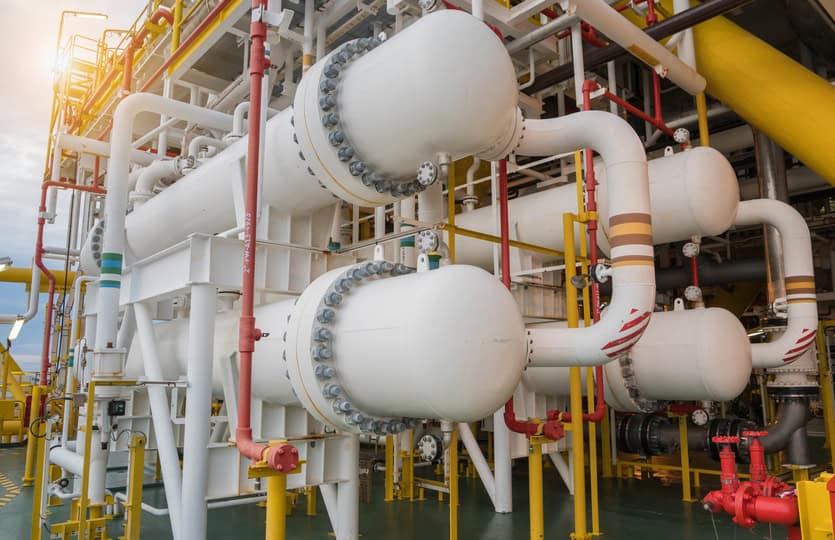
Heat exchangers are devices that facilitate the transfer of heat between two or more fluids, ensuring efficient heat management. They play a crucial role in numerous industrial and commercial applications by improving energy efficiency, reducing operational costs, and optimizing process performance. As industries increasingly focus on energy conservation and sustainability, the demand for advanced heat exchangers that support these goals continues to rise.
The global Heat Exchangers Market is predicted to reach USD 30.8 billion with a CAGR of 6.9% by 2030. This growth is fueled by increasing demand for energy-efficient systems, advancements in industrial processes, and the growing need for heat management solutions across a wide range of industries, including HVAC (heating, ventilation, and air conditioning), chemical, power generation, and automotive sectors.
Test It First – Download Your FREE Sample!
Market Overview and Key Trends
The heat exchangers market is poised for robust growth, driven by a combination of technological advancements and heightened awareness of energy efficiency. Heat exchangers are used in a wide variety of industries, from power plants and oil refineries to food and beverage manufacturing and HVAC systems. The growing adoption of energy-efficient technologies, coupled with a heightened focus on reducing environmental footprints, is expected to create significant opportunities for heat exchanger manufacturers.
Several key trends are driving the growth of the heat exchangers market:
- Demand for Energy Efficiency in Industrial Applications
As industries face growing pressure to reduce energy consumption and improve operational efficiency, the demand for heat exchangers continues to rise. Heat exchangers help optimize energy usage by recovering and reusing heat that would otherwise be wasted. This is particularly important in energy-intensive industries such as petrochemicals, chemicals, and power generation. The adoption of energy-efficient heat exchangers can lead to significant cost savings, further propelling their demand across various sectors. - Advancements in Heat Exchanger Technology
Ongoing technological innovations are transforming the heat exchangers market. New materials, designs, and manufacturing techniques are making heat exchangers more efficient, compact, and cost-effective. For instance, the development of compact heat exchangers allows for enhanced heat transfer capabilities in smaller spaces, which is particularly valuable in industries with limited space or where high heat transfer efficiency is required. Additionally, the integration of smart sensors and IoT (Internet of Things) technology in heat exchangers is enabling real-time monitoring and predictive maintenance, further improving system performance and longevity.
Click Here for Your FREE Sample!
- Focus on Sustainability and Reduced Carbon Footprints
Governments and regulatory bodies worldwide are implementing stringent regulations aimed at reducing carbon emissions and promoting sustainability. As industries seek to comply with these regulations and improve their environmental performance, heat exchangers are becoming integral components of their sustainability strategies. By recovering waste heat and improving energy utilization, heat exchangers help businesses meet sustainability goals and reduce their overall environmental impact. - Increasing Applications in the Automotive and HVAC Sectors
The automotive industry’s focus on reducing fuel consumption and improving vehicle efficiency is driving the demand for heat exchangers in automotive applications. Heat exchangers are used in vehicles for engine cooling, exhaust gas recirculation, and air conditioning systems. Furthermore, the growing demand for HVAC systems in residential, commercial, and industrial buildings is contributing to the increased adoption of heat exchangers in these applications. The global expansion of the construction sector and the rise in infrastructure development further contribute to the demand for HVAC systems.
Key Market Segments
The heat exchangers market can be segmented based on type, end-user industry, and region:
- Type: The market includes various types of heat exchangers, such as shell and tube heat exchangers, plate heat exchangers, air-cooled heat exchangers, and double-pipe heat exchangers. Shell and tube heat exchangers are the most commonly used due to their versatility and ability to handle high-pressure and high-temperature fluids. Plate heat exchangers are gaining traction due to their compact design and higher heat transfer efficiency, particularly in HVAC and food processing applications.
- End-User Industry: The primary end-users of heat exchangers include chemical, petrochemical, power generation, food and beverage, HVAC, and automotive industries. The power generation sector is expected to be a major consumer of heat exchangers, driven by the need for efficient heat management in power plants. The chemical and petrochemical industries also represent significant growth opportunities, given their heavy reliance on heat exchangers in various manufacturing processes.
- Region: North America and Europe currently lead the global heat exchangers market, owing to the advanced industrial infrastructure and high adoption of energy-efficient technologies in these regions. Asia-Pacific, however, is expected to witness the highest growth rate, driven by rapid industrialization, urbanization, and increasing demand for energy-efficient systems in countries like China and India.
Challenges and Opportunities
Despite the strong growth prospects, the heat exchangers market faces certain challenges. High installation and maintenance costs associated with advanced heat exchanger systems may limit their adoption in cost-sensitive industries. Additionally, fluctuations in raw material prices can impact the overall cost of manufacturing heat exchangers.
However, these challenges also present opportunities for market players. The growing need for energy-efficient solutions and the increasing adoption of smart technologies in heat exchangers offer potential avenues for innovation. Manufacturers who can deliver cost-effective, high-performance solutions tailored to the specific needs of industries such as power generation, automotive, and HVAC will be well-positioned to capitalize on emerging market trends.
Conclusion
The heat exchangers market is set to experience strong growth in the coming years, driven by the rising demand for energy-efficient solutions across a wide range of industries. As businesses continue to prioritize sustainability and cost-effective operations, heat exchangers will play a vital role in improving energy utilization, reducing waste, and achieving environmental goals. With ongoing advancements in technology and increasing applications in diverse sectors, the future of the heat exchangers market looks promising, offering significant opportunities for innovation and growth.
