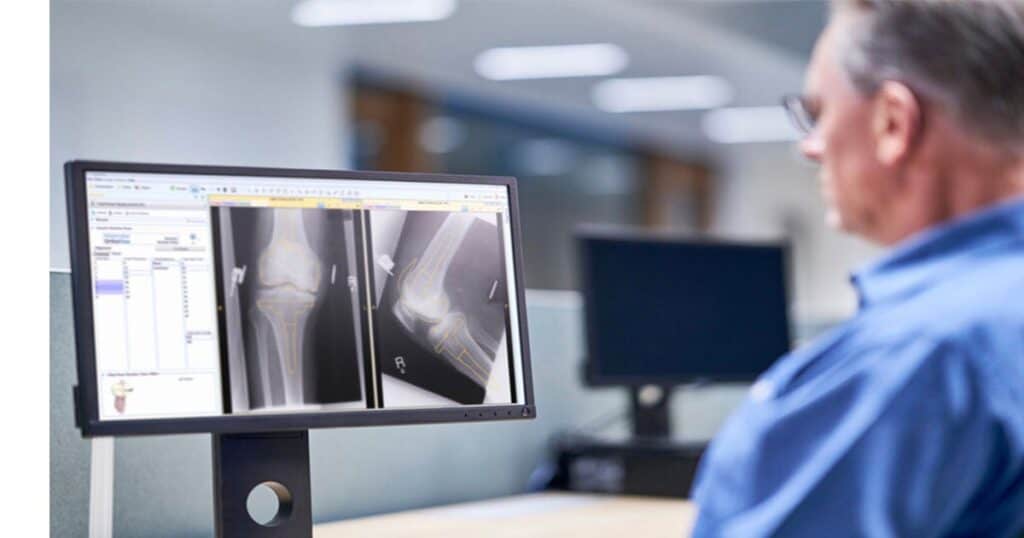
The global preoperative surgical planning software market is witnessing strong growth, driven by advancements in healthcare technology, increasing demand for minimally invasive surgeries, and the shift towards precision medicine. These software solutions, which aid surgeons in planning surgeries with greater precision, are transforming the surgical landscape, allowing for improved patient outcomes, reduced complications, and more efficient use of healthcare resources. As the healthcare industry embraces digitalization and technological innovation, the market for preoperative surgical planning software is set to expand significantly in the coming years.
Market Growth & Demand Drivers
The Global Preoperative Surgical Planning Software Market is projected to reach USD 149.5 Million growing at a CAGR of 4.7% by 2030. This growth is attributed to several key factors, including the growing adoption of digital health technologies, advancements in artificial intelligence (AI) and machine learning (ML), and an increased focus on improving surgical outcomes and reducing recovery times.
Unlock a FREE Sample – Try Before You Buy!
As healthcare providers strive to deliver more personalized and efficient care, the demand for software that helps optimize surgical procedures is growing. Preoperative surgical planning software allows surgeons to visualize and simulate surgeries before performing them, leading to improved accuracy, better decision-making, and a higher level of patient safety. With the increasing complexity of surgeries and a higher volume of elderly patients requiring surgical interventions, this market is expected to experience sustained growth.
Key Applications Driving Market Demand
Preoperative surgical planning software is being used across various medical specialties, with its applications extending into multiple areas of surgery. Key sectors driving market demand include:
- Orthopedic Surgery: Orthopedic surgery is one of the largest areas for the adoption of preoperative surgical planning software. This software helps orthopedic surgeons plan complex procedures such as joint replacements, spinal surgeries, and trauma surgeries with precision. By simulating the surgery and using advanced imaging technologies, surgeons can determine the most effective surgical approach and reduce the risk of complications, leading to better patient outcomes.
- Neurosurgery: Neurosurgery is another key area where preoperative surgical planning software is gaining traction. With the complexity and delicacy of brain and spine surgeries, planning and simulation tools are critical to ensure precise navigation during surgery. The use of preoperative planning software allows neurosurgeons to map out critical areas of the brain or spine and minimize damage to surrounding tissues.
- Cardiovascular Surgery: In cardiovascular surgeries such as coronary artery bypass grafting (CABG) and heart valve replacement, preoperative planning software is used to visualize blood flow, identify blockages, and select optimal pathways for surgery. This helps in reducing surgery time, improving patient safety, and lowering the chances of complications post-surgery.
- General Surgery: General surgeons are increasingly using preoperative surgical planning software for various procedures, from minimally invasive surgeries to complex gastrointestinal surgeries. These software solutions enable better visualization of the surgical site, improving the overall precision and efficiency of procedures.
- Plastic and Reconstructive Surgery: In plastic and reconstructive surgery, preoperative planning software aids in the design and simulation of procedures such as facial reconstructions, breast augmentations, and burn treatments. Surgeons can create virtual models of the surgical area, allowing for better outcomes and more natural-looking results.
Technological Advancements Driving Innovation
Technological advancements are a key factor driving the growth of the preoperative surgical planning software market. The integration of artificial intelligence (AI) and machine learning (ML) with these software tools is revolutionizing the way surgeries are planned. AI-powered software can analyze patient data and provide surgeons with personalized recommendations based on the patient’s anatomy, medical history, and other factors, improving the likelihood of successful surgeries.
Additionally, augmented reality (AR) and virtual reality (VR) technologies are being incorporated into surgical planning software to enhance surgeon visualization. AR and VR enable surgeons to interact with 3D models of the patient’s body, allowing for better understanding of the surgical site and the ability to plan with more precision. These technologies have significantly improved the preoperative planning process, making surgeries more efficient and less invasive.
The use of robotic surgery systems is another trend that is enhancing preoperative surgical planning. Robotics enable surgeons to perform more accurate and minimally invasive procedures. The integration of planning software with robotic systems ensures that the surgical approach is executed with high precision, reducing the risk of human error during the operation.
Regional Insights
The preoperative surgical planning software market is experiencing growth across all regions, with North America, Europe, and Asia-Pacific emerging as key markets.
North America holds the largest market share, primarily due to the advanced healthcare infrastructure, high adoption of digital health technologies, and a well-established presence of leading software providers in the region. The growing demand for minimally invasive surgeries, coupled with the increasing prevalence of chronic diseases and an aging population, is driving the demand for preoperative planning solutions in the U.S. and Canada.
Europe is another major market for preoperative surgical planning software, with increasing healthcare digitization and adoption of advanced surgical technologies. Countries such as Germany, France, and the UK are focusing on improving surgical outcomes and patient safety, contributing to the market’s growth. Additionally, European regulatory frameworks support the adoption of innovative healthcare technologies, further boosting the market.
The Asia-Pacific region is expected to witness the highest growth rate during the forecast period. Countries like China, Japan, and India are rapidly adopting healthcare technologies to address the growing healthcare needs of their populations. The expanding healthcare infrastructure, coupled with increasing investments in medical technologies, is driving the adoption of preoperative surgical planning software in this region.
Conclusion
The preoperative surgical planning software market is set for significant growth, driven by technological advancements, rising demand for precision surgeries, and the increasing digitalization of healthcare systems worldwide. With the continued adoption of AI, AR, and robotic technologies, these software solutions are expected to play a pivotal role in improving surgical outcomes, reducing recovery times, and enhancing the overall patient experience. As the healthcare industry continues to evolve, preoperative surgical planning software will be integral in shaping the future of surgery.
