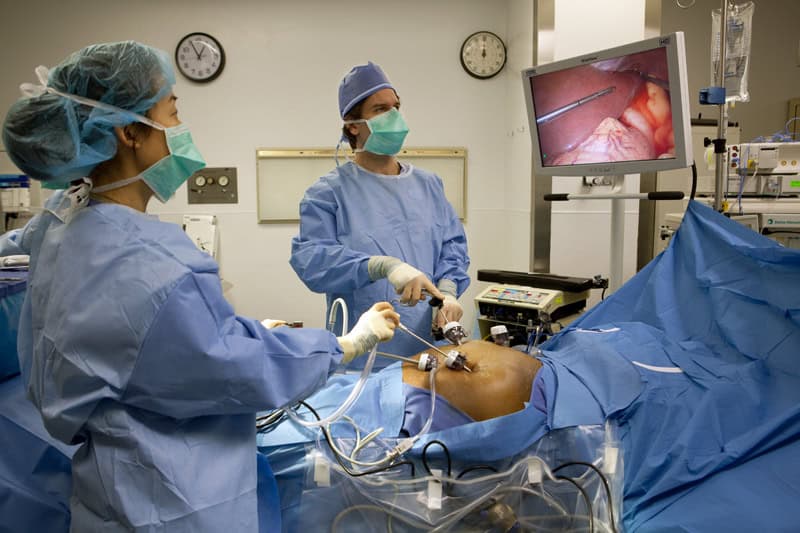
Laparoscopic surgery, also known as minimally invasive surgery (MIS), has revolutionized the way many surgical procedures are performed, offering patients reduced recovery time, smaller incisions, and less postoperative pain compared to traditional open surgery.
The Laparoscopic Devices Market is predicted to reach USD 63.41 billion with a CAGR of 17.3% 2030. Laparoscopic devices are essential tools in MIS, allowing surgeons to operate with precision and minimal incisions. These devices are used in a wide range of applications, including abdominal, gynecological, urological, and bariatric surgeries. As healthcare systems increasingly adopt minimally invasive techniques to enhance patient outcomes, the demand for laparoscopic devices is expected to rise, driving the growth of the market.
Market Overview and Key Trends
Several key factors are contributing to the rapid growth of the laparoscopic devices market, including technological advancements, increasing adoption of MIS, and the rising prevalence of chronic diseases and surgical conditions. Some of the most notable trends driving market growth include:
- Increasing Adoption of Minimally Invasive Surgery (MIS)
Minimally invasive surgery is becoming the standard of care in many surgical fields, with laparoscopic techniques increasingly being used for procedures such as gallbladder removal, hernia repair, colorectal surgeries, and gynecological operations. MIS offers patients numerous benefits, including shorter hospital stays, faster recovery, reduced risk of infection, and less scarring. As the advantages of MIS become more widely recognized, the demand for laparoscopic devices is expected to continue growing. - Technological Advancements in Laparoscopic Devices
The development of advanced laparoscopic instruments, such as high-definition cameras, robotic-assisted surgery tools, and 3D visualization systems, has significantly improved the precision and effectiveness of laparoscopic procedures. Robotic-assisted laparoscopic surgery, in particular, has gained traction, offering enhanced dexterity, greater maneuverability, and improved surgical outcomes. These innovations are driving the demand for advanced laparoscopic devices, as they provide more accurate and efficient surgical solutions. - Rising Prevalence of Chronic Diseases and Surgical Conditions
The global increase in chronic diseases such as obesity, cancer, and cardiovascular diseases is contributing to the demand for laparoscopic procedures. For example, bariatric surgery, which is commonly performed using laparoscopic techniques, is gaining popularity as an effective solution for obesity management. Additionally, the growing incidence of conditions such as colorectal cancer and gallbladder diseases is leading to an increased need for minimally invasive surgeries, further driving the demand for laparoscopic devices. - Expanding Healthcare Infrastructure in Emerging Markets
The demand for laparoscopic devices is also rising in emerging markets, where healthcare infrastructure is improving, and access to advanced surgical techniques is increasing. As the number of hospitals and surgical centers grows in regions such as Asia-Pacific, Latin America, and the Middle East, the adoption of laparoscopic surgery is expected to accelerate, contributing to the market’s overall growth. Rising awareness of the benefits of minimally invasive surgery and increasing healthcare investments are key factors driving this trend. - Cost-Effectiveness and Improved Patient Outcomes
Laparoscopic surgery is often considered more cost-effective than traditional open surgery due to shorter hospital stays, faster recovery times, and reduced complications. This has made laparoscopic devices an attractive option for healthcare providers looking to improve patient outcomes while reducing the overall cost of treatment. As healthcare systems focus on cost containment and improving patient care, the demand for laparoscopic devices is expected to rise.
Key Market Segments
The laparoscopic devices market can be segmented based on product type, application, end-user, and region:
- Product Type: Laparoscopic devices include instruments, insufflators, surgical cameras, electrosurgical devices, robotic systems, and accessories. Instruments, such as laparoscopes, forceps, and scissors, hold the largest market share due to their essential role in laparoscopic procedures. Robotic systems are gaining traction due to their enhanced precision and ease of use in complex surgeries.
Claim Your FREE Sample and See the Difference!
- Application: Laparoscopic devices are used in a wide range of applications, including gastrointestinal surgery, gynecological surgery, bariatric surgery, urological surgery, and general surgery. The gastrointestinal surgery segment is expected to dominate the market, driven by the increasing prevalence of diseases such as gallstones, appendicitis, and colorectal cancer.
- End-User: The major end-users of laparoscopic devices are hospitals, surgical centers, and clinics. Hospitals are expected to account for the largest share of the market, as they perform the majority of laparoscopic surgeries. Surgical centers and clinics are also experiencing increased demand for laparoscopic procedures due to the growing trend of outpatient surgeries.
- Region: North America is the largest market for laparoscopic devices, driven by the high adoption of advanced surgical technologies, well-established healthcare infrastructure, and increasing healthcare expenditures. Europe and Asia-Pacific are also significant markets, with Asia-Pacific expected to experience the highest growth during the forecast period due to expanding healthcare access and the rising prevalence of chronic diseases.
Challenges and Opportunities
Despite the strong growth prospects, the laparoscopic devices market faces challenges such as the high cost of advanced laparoscopic instruments, especially robotic-assisted systems, which can limit accessibility in some regions. Additionally, there is a need for specialized training for surgeons to operate advanced laparoscopic tools effectively, which can be a barrier to adoption.
However, these challenges present opportunities for innovation. The development of more affordable laparoscopic systems, improvements in training programs for surgeons, and the expansion of reimbursement coverage for laparoscopic surgeries can help overcome these barriers. Manufacturers that can create cost-effective, user-friendly devices and provide comprehensive training solutions will be well-positioned to capitalize on the growing demand for laparoscopic devices.
Conclusion
The laparoscopic devices market is poised for substantial growth as the demand for minimally invasive surgeries continues to rise across the globe. Technological advancements, increasing healthcare access, and the benefits of laparoscopic procedures—such as reduced recovery time, smaller incisions, and improved patient outcomes—are driving market expansion. With continued innovation in surgical tools and techniques, laparoscopic devices will play an increasingly critical role in the future of surgery, offering improved efficiency, safety, and cost-effectiveness.
