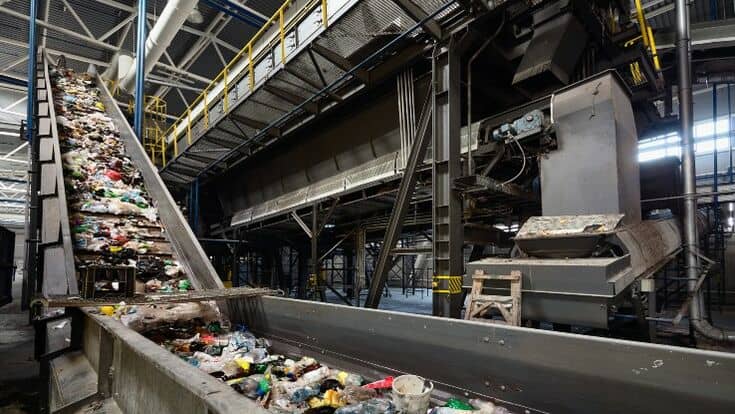
Waste-to-Energy refers to the process of converting waste materials into electricity, heat, or fuel through various technologies such as combustion, anaerobic digestion, and gasification. This approach not only helps mitigate the environmental impact of waste disposal but also provides a renewable source of energy, addressing both waste management and energy needs simultaneously.
The global Waste to Energy Market is predicted to reach USD 53.07 billion with a CAGR of 4.4% by 2030. This growth is driven by the increasing need for sustainable waste management solutions, rising energy demand, and the global shift toward renewable energy sources. As municipalities and industries seek to reduce landfill use and carbon emissions, WTE technologies that convert non-recyclable waste materials into usable energy have gained significant traction.
Unlock a FREE Sample – Try Before You Buy!
Market Overview and Key Trends
The WTE market is witnessing strong growth, fueled by advancements in waste management technologies, an increasing emphasis on sustainability, and the global push for reducing greenhouse gas emissions. Several key trends are contributing to this growth:
- Rising Demand for Renewable Energy
As countries around the world work to transition to cleaner, renewable sources of energy, Waste-to-Energy has emerged as an effective solution for both energy production and waste management. WTE facilities help generate renewable energy by converting organic and non-recyclable waste materials into electricity or heat, offering a dual benefit of reducing reliance on fossil fuels while addressing waste disposal challenges. - Increasing Focus on Sustainability and Circular Economy
Governments, industries, and consumers are placing growing emphasis on sustainability and the circular economy, which promotes the efficient use of resources and the reduction of waste. Waste-to-Energy technologies align with these goals by providing a way to recycle waste products into valuable energy. By diverting waste from landfills and incinerators, WTE also reduces harmful greenhouse gas emissions and prevents potential environmental hazards. - Advancements in Waste Conversion Technologies
Technological innovations in WTE processes, such as advanced gasification and pyrolysis systems, are enhancing the efficiency and environmental performance of WTE plants. These technologies allow for the conversion of waste into high-quality energy while minimizing harmful emissions. The integration of automation and digital technologies is also improving the operational efficiency of WTE facilities, lowering costs and making them more attractive to investors. - Government Support and Regulations
The global regulatory environment is increasingly supporting the growth of WTE technologies. Many countries are offering incentives, subsidies, and grants for waste-to-energy projects to encourage their adoption as part of their renewable energy goals. Additionally, stricter regulations surrounding waste management and landfill reduction are driving the demand for sustainable alternatives like WTE. Governments are also imposing landfill taxes and penalties for improper waste disposal, making WTE an economically viable solution for waste management. - Growing Urbanization and Waste Generation
With rapid urbanization, the volume of waste generated in urban areas is steadily increasing. As cities and industrial areas expand, the need for efficient waste management systems becomes more pressing. Waste-to-Energy presents an attractive solution for managing large amounts of waste while generating energy locally. As urban populations continue to grow, the demand for WTE solutions is expected to rise.
Key Market Segments
The WTE market can be segmented based on technology, application, and region:
- Technology: The WTE market includes various technologies, such as incineration, gasification, pyrolysis, and anaerobic digestion. Incineration remains the most widely used method, accounting for the largest share of the market. However, gasification and pyrolysis are gaining ground due to their ability to generate higher-quality energy and produce fewer emissions.
- Application: The primary applications of WTE include electricity generation, heat production, and biofuels. Electricity generation accounts for the largest share of the market, with WTE plants often connected to national grids to supply power. Heat production, which is especially popular in industrial and district heating applications, is also growing. Additionally, the production of biofuels, such as biogas, is gaining popularity as a sustainable energy source for transportation and industrial use.
- Region: North America and Europe currently dominate the global WTE market, driven by well-established infrastructure, government incentives, and a strong focus on sustainability. However, the Asia-Pacific region is expected to experience the highest growth during the forecast period, fueled by rapid industrialization, urbanization, and increasing waste generation in countries like China, India, and Japan.
Challenges and Opportunities
While the Waste-to-Energy market presents significant opportunities, there are challenges that need to be addressed. One of the primary obstacles is the high capital expenditure required to set up WTE facilities, which can limit the market’s accessibility, particularly in developing countries. Additionally, concerns over the environmental impact of incineration, such as air pollution and the release of toxic byproducts, can deter investment in some regions.
However, these challenges also present opportunities for innovation and improvement. The development of cleaner, more efficient WTE technologies, such as gasification and advanced anaerobic digestion, is helping reduce the environmental impact of these systems. Furthermore, the integration of carbon capture and storage (CCS) technologies with WTE plants could further mitigate emissions and enhance their sustainability. With rising waste management costs and increasing pressure to adopt green technologies, there is also a growing opportunity for public-private partnerships to fund and develop WTE projects.
Conclusion
The Waste-to-Energy market is poised for strong growth, driven by increasing demand for renewable energy, technological advancements in waste conversion, and a global shift toward sustainability. As governments and industries continue to prioritize green technologies and waste reduction, WTE presents an effective solution that addresses both waste disposal and energy generation challenges. With ongoing innovations in waste conversion technologies, such as gasification and pyrolysis, the future of the WTE market looks promising, offering substantial opportunities for growth, environmental sustainability, and energy security.
