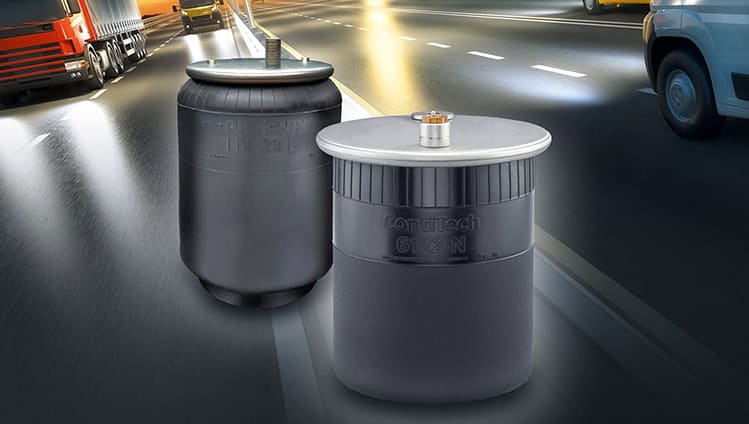
According to Next Move Strategy Consulting, the Thailand Air Spring Market is experiencing substantial growth, driven primarily by the rising demand in the automotive industry. As the country’s automotive sector continues to expand, the demand for air springs is predicted to grow significantly over the next few years. According to recent research by Next Move Strategy Consulting, the Thailand air spring market size is expected to reach USD 218 million by 2030, growing at a compound annual growth rate (CAGR) of 6% by 2030.
The continued growth of the automotive sector in Thailand is a key driver of this trend, fueling the need for high-quality air springs used in vehicles to improve ride comfort and stability.
Discover More – Get a FREE Sample Today!
The Growing Automotive Industry in Thailand
Thailand is a major automotive manufacturing hub in Southeast Asia, home to a vibrant and rapidly growing automotive industry. According to the Thailand Automotive Institute, the country’s automotive sector grew by 4% from March 2022 to March 2023. This growth has led to an increased demand for vehicle components, including air springs. These components are crucial for improving vehicle suspension systems, enhancing shock absorption, and stabilizing rides, which are essential for both comfort and safety in modern vehicles.
The automotive industry’s expansion in Thailand directly correlates with a higher demand for air springs, which are used to provide enhanced shock absorption and vehicle stability. This trend is expected to continue, creating significant growth opportunities for the air spring market.
The Challenge of Installation and Market Constraints
Despite the growing demand, the air spring market faces certain challenges. One of the major barriers to growth is the complexity of the air spring installation process. The installation of air springs requires specialized knowledge and tools, which can increase time, costs, and the likelihood of installation errors. These factors pose a challenge for both manufacturers and end-users, leading to inefficiencies and reduced overall market adoption.
In some cases, improper installation of air springs can result in performance issues or reduced reliability, which further hinders market expansion. This issue serves as a deterrent for some potential customers who are hesitant to invest in air spring systems due to concerns over the installation process.
Advancements in Sensor Technology: A Game Changer for Air Springs
While installation complexities present challenges, they also give rise to new opportunities for innovation. The integration of sensor technology into air springs is seen as a potential game-changer in overcoming some of the barriers faced by the industry.
Sensor-equipped air springs allow for real-time monitoring of critical parameters such as pressure and temperature. This feature enables predictive maintenance, performance optimization, and enhanced vehicle safety. The ability to track key metrics and adjust suspension settings based on road conditions and driving dynamics can significantly improve ride quality and stability, making sensor-based air springs a valuable asset for modern vehicles.
Leading companies in the air spring market, such as Continental AG and Vibracoustic, are already at the forefront of this technological advancement. By integrating ultrasonic sensors into air springs, these companies are enabling real-time data collection and analysis, which is paving the way for the development of intelligent and adaptive suspension systems. These systems are designed to automatically adjust to varying road conditions, improving overall driving experience and vehicle safety.
As industries continue to prioritize automation, efficiency, and data-driven solutions, the demand for sensor-enabled air springs is expected to rise, providing substantial growth prospects for the market. These advancements are transforming air springs from a simple suspension component into a crucial part of intelligent vehicle systems.
Market Overview and Key Insights
The Thailand air spring market has several key drivers, restraints, and opportunities that will shape its future. Key insights from the market study include:
- Key Drivers:
- The expanding automotive industry in Thailand is the primary driver of the air spring market.
- Increased demand for enhanced shock absorption, stability, and ride comfort in vehicles fuels the growth of the market.
- Challenges:
- The complexity of the air spring installation process remains a significant challenge, limiting market adoption.
- Installation errors can lead to reduced performance and reliability, creating hesitancy among potential customers.
- Opportunities:
- The integration of sensor technology into air springs presents a key opportunity to overcome current market challenges and unlock new growth avenues.
- The development of intelligent suspension systems that can automatically adjust to changing road conditions will further increase demand for sensor-equipped air springs.
- Market Share and Competitive Landscape:
- The report provides a competitive analysis of the leading players in the Thailand air spring market, including companies like Continental AG, Bridgestone Industrial, Vibracoustic SE, Sumitomo Electric Industries, Ltd., Trelleborg AB, VDL Group, Airtech (Akta? Holding), Hendrickson USA, L.L.C., BWI Group, and Stemco, among others.
- These companies are heavily investing in research and development to integrate new technologies such as sensors, which will drive the future of the air spring market in Thailand.
- Value Chain Analysis:
- The market study offers a comprehensive value chain analysis, outlining the role of each stakeholder, from raw material suppliers to manufacturers and end-users, providing a clear picture of the market dynamics.
Conclusion
The Thailand air spring market is poised for substantial growth in the coming years, largely driven by the country’s expanding automotive industry. As the demand for vehicles with enhanced ride comfort and stability continues to rise, so too does the need for high-quality air springs. However, challenges such as the complexity of installation processes must be addressed for broader market adoption.
