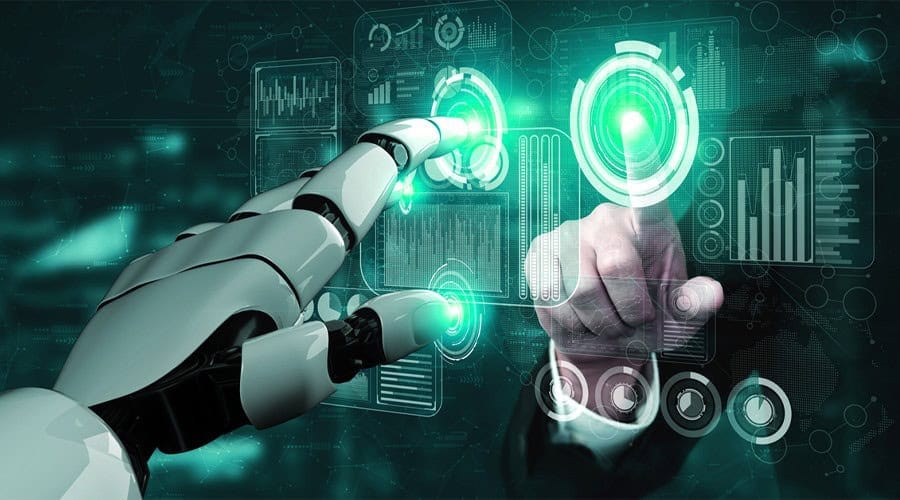
According to Next Move Strategy Consulting, the Sweden Robot Software Market is experiencing significant expansion, driven by growing investments in research and development, a heightened focus on safety and compliance, and the increasing adoption of innovative robotics-as-a-service (RaaS) models. According to a recent market report, the Sweden Robot Software Market is projected to reach USD 1300 million by 2030, demonstrating a remarkable compound annual growth rate (CAGR) of 27% by 2030.
A Diverse Ecosystem of Robotics Software Solutions
Robot software is integral to the functionality of robots across various industries, including manufacturing, logistics, healthcare, and entertainment. It encompasses a broad range of programs and algorithms that manage, supervise, and optimize the operation of robots. These include systems for coordinating the movements of robotic arms, autonomous navigation of service robots, and machine learning-based decision-making that allows robots to adapt to evolving environments.
One of the most pivotal elements of robot software is its ability to interpret data from embedded sensors. Cameras, LIDAR, and tactile sensors provide environmental feedback that helps robots understand and respond to their surroundings with precision. In addition, as artificial Intelligence (AI) and machine learning (ML) become more integrated into robotic systems, software solutions enable robots to perform complex tasks autonomously, adapt to new conditions, and learn from past experiences.
Download Your Free Sample Today!
Safety and Compliance: A Critical Growth Driver
As Sweden continues to position itself at the forefront of industrial automation and robotics, an increasing emphasis on workplace safety and regulatory compliance is fueling market growth. With a growing number of industries adopting robotics, ensuring the safe and compliant operation of these systems is paramount. Robot software plays a critical role in addressing these concerns by implementing safety protocols, real-time monitoring, and ensuring adherence to local and international industry standards.
The need for real-time safety reporting, risk assessment, and compliance documentation is more pronounced as regulatory frameworks evolve and tighten. By providing comprehensive solutions that mitigate risks and help companies comply with regulations, robot software enables safer and more efficient operations across sectors such as manufacturing, healthcare, and logistics.
The Role of Research and Development (R&D) in Shaping the Future of Robotics
In Sweden, significant investments in research and development are driving the evolution of robot software solutions. Both public and private entities are focusing on advancing AI, machine learning, and automation technologies, which in turn accelerates the sophistication and capabilities of robot software. These advancements enhance robot functionalities, from predictive maintenance and process optimization to more intelligent data analysis and autonomous decision-making.
The growth of AI and ML within the robot software landscape is leading to increased autonomy and the ability of robots to take on more complex and dynamic tasks. These innovations also open new doors for robots in sectors where manual intervention was once considered indispensable.
Don’t Miss This Important Update
Cybersecurity Challenges: A Growing Concern
Despite the promising advancements, the Sweden robot software market faces substantial challenges related to cybersecurity and data protection. As robots become increasingly interconnected within digital ecosystems, they become vulnerable to cyberattacks, data breaches, and other security risks. The integration of the Internet of Things (IoT) and cloud-based technologies in robots has heightened these concerns, with organizations at risk of losing valuable intellectual property, sensitive data, and operational control.
Explore the Benefits with a FREE Sample!
As a result, there is a growing demand for robot software that incorporates robust cybersecurity features, including encryption, secure data transmission, and advanced intrusion detection systems. Addressing these security concerns is critical to building trust and ensuring the continued adoption of robotic systems across industries.
The Rise of Robotics-as-a-Service (RaaS)
One of the most exciting developments in the Swedish robot software market is the rise of Robotics-as-a-Service (RaaS) models. RaaS allows businesses to access robotic hardware, software, and support services through a subscription-based model, which significantly lowers the financial barriers to entry. Small and medium-sized enterprises (SMEs), as well as larger corporations, can now leverage cutting-edge robotic technologies without the need for large capital investments in infrastructure.
In addition to hardware, RaaS models often include ongoing software updates, maintenance, and customer support, providing businesses with the tools to deploy and scale robotics solutions without the complexity and costs associated with traditional ownership. By democratizing access to robotics technology, RaaS is opening up new opportunities for innovation and market growth, benefiting industries ranging from healthcare to logistics.
Segmentation of the Sweden Robot Software Market
The Sweden Robot Software Market is segmented across several key dimensions, offering insights into the specific areas driving growth. These include:
By Software Type:
- Recognition Software: Helps robots understand and respond to objects or patterns.
- Simulation Software: Aids in creating virtual models of robotic operations for testing and optimization.
- Predictive Maintenance Software: Uses data to forecast potential system failures and perform maintenance.
- Communication Management Software: Facilitates efficient data exchange between robots and central control systems.
- Data Management and Analysis Software: Ensures that robots can collect, store, and analyze operational data for better decision-making.
By Robot Type:
- Service Robots: Includes ground, aerial, and underwater robots used in sectors like healthcare and logistics.
- Industrial Robots: Ranging from traditional articulated robots to newer collaborative robots (cobots) designed for joint human-robot operations.
By Deployment Mode:
- On-premise: Robot software deployed directly on company premises.
- On-demand: Cloud-based or subscription services that provide flexibility and scalability.
By Organization Size:
- Large Enterprises: Large-scale robotics solutions for big manufacturers and tech companies.
- Small and Medium-sized Enterprises (SMEs): Growing adoption in SMEs, facilitated by cost-effective RaaS models.
By Industry Vertical:
- Banking, Financial Services, and Insurance (BFSI)
- Automotive
- Retail and eCommerce
- Aerospace & Defense
- Healthcare and Life Sciences
- Transportation and Logistics
- Manufacturing
- Telecommunications and IT
- Academia and Research
- Media & Entertainment
Key Players and Competitive Landscape
The Swedish robot software market is characterized by the presence of several prominent players, each contributing to its dynamic growth through innovations in AI, machine learning, and advanced robotics. Key players in the market include:
- IBM
- NVIDIA
- ABB Ltd.
- FANUC
- Teradyne, Inc.
- H2O.ai
- Brain Corp
- CloudMinds
- Clearpath Robotics
- Neurala, Inc.
These companies are focused on maintaining a competitive edge by incorporating cutting-edge technologies and developing robust, flexible robot software solutions that cater to the evolving needs of industries.
Conclusion
The Sweden Robot Software Market is on an impressive trajectory, fueled by rapid technological advancements, increased investment in R&D, and growing adoption of robotic solutions across various industries. However, challenges such as cybersecurity and the evolving regulatory landscape must be carefully navigated to unlock the market’s full potential.
As companies explore new opportunities through Robotics-as-a-Service (RaaS) and prioritize safety and compliance, Sweden is poised to remain at the forefront of global robotics innovation, positioning itself as a leader in the automation revolution.
