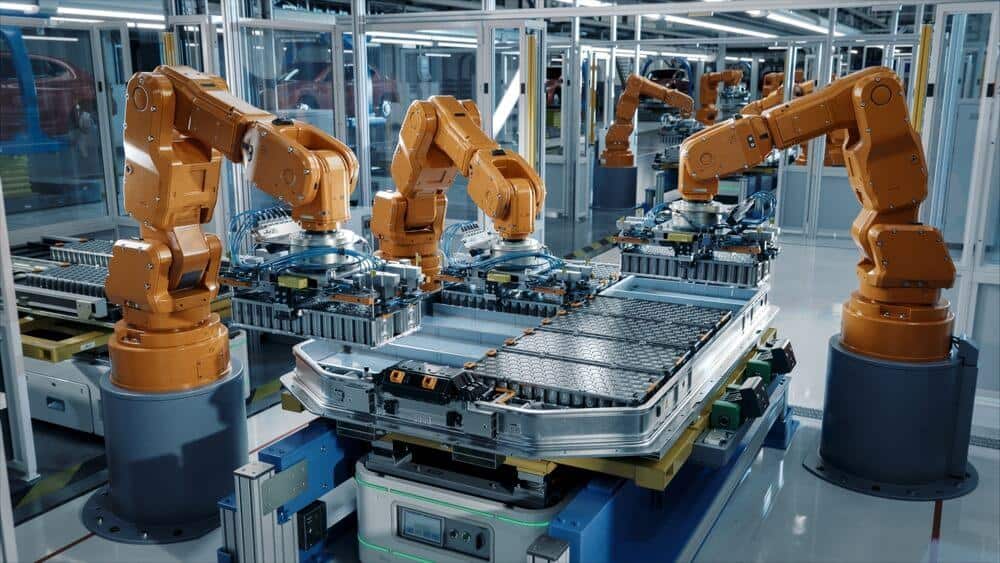
The Industrial Process Automation Market is undergoing a transformative phase, driven by the rapid adoption of Industry 4.0, advancements in technologies such as artificial intelligence (AI) and machine learning (ML), and the growing need for operational efficiency across industries. This evolution is enabling businesses to enhance productivity, reduce costs, and ensure consistent product quality while addressing sustainability goals.
Market Overview and Growth Projections
The Industrial Process Automation Market, valued is projected to reach USD 96.06 billion by 2030, growing at a compound annual growth rate (CAGR) of 5.4% during the forecast period. Industries such as manufacturing, energy, oil and gas, chemicals, and pharmaceuticals are driving demand for automation solutions to streamline operations and meet the challenges of a dynamic global market.
Click Here for Your FREE Sample!
Key Market Drivers
- Industry 4.0 Revolution
The integration of advanced digital technologies such as IoT, AI, ML, and cloud computing is revolutionizing industrial automation. Smart factories powered by interconnected systems and data analytics enable real-time monitoring, predictive maintenance, and efficient resource utilization. - Need for Operational Efficiency
Businesses are prioritizing process optimization to minimize downtime, enhance productivity, and reduce costs. Automation solutions provide real-time data insights, automated workflows, and precise control over industrial processes, driving their adoption. - Sustainability Goals
Industries are leveraging automation to meet sustainability targets by reducing energy consumption, minimizing waste, and optimizing resource utilization. Automation technologies such as energy management systems and digital twins are aiding in this transformation. - Workforce Safety and Skill Gaps
Automation reduces the reliance on manual labor in hazardous environments, enhancing worker safety. Additionally, as industries face a growing skills gap, automation solutions are bridging this void by performing complex tasks with minimal human intervention. - Globalization and Rising Demand
The need for consistent product quality, rapid production cycles, and global supply chain integration is pushing industries to adopt advanced automation systems.
Emerging Trends in Industrial Process Automation
- Artificial Intelligence and Machine Learning
AI and ML are enabling predictive analytics, anomaly detection, and process optimization in industrial automation. These technologies improve decision-making by analyzing vast amounts of data in real-time. - Digital Twins
Digital twin technology is gaining traction as it allows businesses to create virtual replicas of physical assets, enabling predictive maintenance, performance monitoring, and operational efficiency. - Edge Computing
By processing data closer to the source, edge computing reduces latency and enhances real-time decision-making, particularly in time-sensitive industrial applications. - Cloud-Based Automation
Cloud platforms are facilitating remote monitoring, scalability, and seamless integration of automation systems. This trend is particularly beneficial for SMEs, as it reduces upfront costs and infrastructure requirements. - Collaborative Robotics (Cobots)
Cobots are designed to work alongside humans, enhancing productivity in tasks that require precision and flexibility. Their adoption is expanding in sectors such as automotive, electronics, and pharmaceuticals. - Cybersecurity in Automation
As automation systems become more connected, cybersecurity measures are critical to protect sensitive data and industrial operations from cyber threats.
Challenges in the Industrial Process Automation Market
- High Initial Investment
The upfront cost of deploying automation systems, including hardware, software, and training, can be prohibitive for small and medium-sized enterprises. - Integration Complexity
Integrating new automation solutions with legacy systems is often complex and time-consuming, requiring significant expertise and resources. - Cybersecurity Risks
Increased connectivity exposes industrial systems to cyberattacks. Ensuring robust cybersecurity measures while maintaining operational efficiency is a significant challenge. - Workforce Resistance and Skill Gaps
Resistance to change and a lack of skilled personnel to manage and operate automated systems can hinder adoption. - Economic Uncertainty
Fluctuations in the global economy, including inflation and supply chain disruptions, can impact investment in automation solutions.
Regional Insights
- North America: A mature market with advanced industrial infrastructure and significant investments in AI and IoT-based automation solutions.
- Europe: Known for its focus on sustainability and energy efficiency, Europe is a leader in adopting green automation technologies.
- Asia-Pacific: The fastest-growing region, driven by rapid industrialization, government initiatives supporting automation, and increasing demand from sectors like automotive, electronics, and chemicals.
- Middle East & Africa: Growth is fueled by investments in oil and gas automation, smart city initiatives, and infrastructure development.
- Latin America: Emerging markets in the region are adopting automation solutions to enhance productivity and competitiveness in manufacturing and energy sectors.
Competitive Landscape
The industrial process automation market is highly competitive, with established players focusing on innovation, partnerships, and acquisitions to expand their market presence. Key players include:
- ABB: Known for its robotics and motion solutions, ABB provides end-to-end automation systems for various industries.
- Siemens AG: A global leader in industrial automation and digitalization, offering comprehensive solutions such as SIMATIC and MindSphere.
- Honeywell International: Specializes in process automation solutions for oil and gas, chemicals, and pharmaceuticals.
- Schneider Electric: Renowned for its EcoStruxure platform, which integrates IoT and energy management solutions.
- Rockwell Automation: Focuses on advanced control systems, software, and services to optimize industrial operations.
- Emerson Electric Co.: Provides innovative automation solutions, particularly for process industries like chemicals and power generation.
- Yokogawa Electric Corporation: Offers robust automation and control solutions, emphasizing sustainability and digital transformation.
Future Opportunities in Industrial Automation
- Integration of AI and IoT
Expanding the integration of IoT devices and AI-powered analytics to enable real-time monitoring and autonomous decision-making in industrial environments. - Sustainability and Circular Economy
Automation solutions focusing on energy efficiency, waste reduction, and circular economy principles are expected to gain traction. - 5G-Enabled Automation
The rollout of 5G networks will enable ultra-low latency and high-speed communication, unlocking new possibilities for automation in smart factories. - Customized Automation for SMEs
Affordable and scalable automation solutions tailored to the unique needs of small and medium-sized enterprises will drive adoption in this segment. - Autonomous Operations
The development of fully autonomous industrial processes, powered by AI and robotics, will revolutionize industries such as mining, logistics, and manufacturing.
Conclusion
The global industrial process automation market is at the forefront of transforming industries through innovative technologies and advanced solutions. As businesses prioritize efficiency, sustainability, and resilience, the adoption of automation systems is expected to accelerate, driving unprecedented growth in the market.
