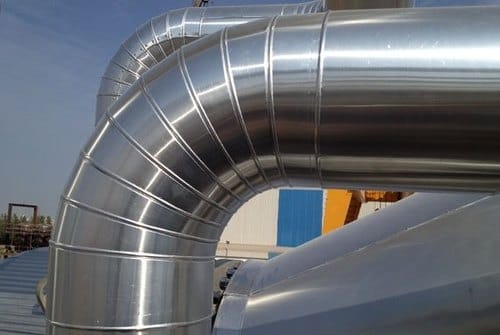
The Cold Pipe Insulation Market is experiencing substantial growth, driven by an increasing focus on energy efficiency, the growing demand for temperature control in industrial applications, and the rising awareness of environmental sustainability. Cold pipe insulation plays a crucial role in reducing energy losses, preventing condensation, and improving the efficiency of cooling systems in various sectors such as oil and gas, chemical, HVAC, and refrigeration industries.
With the global Cold Pipe Insulation Market valued at USD 10.08 billion in 2024,growing at a compound annual growth rate (CAGR) of 6.0% during the forecast period. This growth is spurred by factors such as stringent regulations for energy conservation, the expansion of industrial operations, and innovations in insulation materials that enhance performance and sustainability.
Click Here for Your FREE Sample!
Market Overview and Key Drivers
Cold pipe insulation refers to materials used to reduce the heat transfer between cold pipelines and their surroundings, ensuring efficient operation of refrigeration, cooling, and air conditioning systems. The need for efficient thermal management, cost reduction, and sustainability has led to increased adoption of cold pipe insulation in various industries.
Key drivers of the cold pipe insulation market include:
- Energy Efficiency Regulations
Governments worldwide are implementing stringent energy efficiency regulations to minimize energy consumption and reduce greenhouse gas emissions. Industries are increasingly adopting cold pipe insulation to comply with these regulations and improve their operational energy efficiency. - Rising Demand for Refrigeration and Cooling Systems
As the demand for refrigeration, HVAC, and cooling systems increases in industries such as food processing, pharmaceuticals, and chemicals, the need for cold pipe insulation has grown to ensure that these systems operate at optimal performance while minimizing energy loss. - Sustainability and Environmental Concerns
Cold pipe insulation helps reduce environmental impact by minimizing energy waste and ensuring the effective operation of refrigeration systems. With growing awareness about climate change and sustainability, industries are focusing on adopting environmentally friendly insulation solutions. - Technological Advancements in Insulation Materials
Advancements in insulation materials, such as aerogel, fiberglass, and polyurethane, are making cold pipe insulation more effective, durable, and sustainable. These materials offer superior thermal performance, lightweight properties, and better resistance to moisture and corrosion. - Growth in Industrialization and Urbanization
The rapid industrialization and urbanization in emerging economies, especially in Asia-Pacific, are driving the demand for cold pipe insulation in sectors such as chemicals, oil and gas, and food processing. These industries require cold pipe insulation to ensure the reliability and energy efficiency of their cooling and refrigeration systems.
Emerging Trends in the Cold Pipe Insulation Market
- Use of Advanced Materials
New and advanced insulation materials, including aerogels, vacuum insulation panels (VIPs), and nanomaterials, are gaining traction in the cold pipe insulation market. These materials offer enhanced thermal resistance, higher insulation efficiency, and greater durability compared to traditional insulation options such as fiberglass and mineral wool. - Sustainable and Eco-friendly Insulation Solutions
With growing environmental concerns, there is an increasing demand for sustainable and eco-friendly insulation materials. Biodegradable, recyclable, and non-toxic materials are being developed to cater to the green building and energy-efficient construction markets. - Smart Insulation Technologies
The integration of sensors and IoT-enabled smart technologies with cold pipe insulation is emerging as a key trend. These systems monitor temperature changes, detect leaks, and provide real-time performance data, enabling predictive maintenance and ensuring the continuous efficiency of refrigeration and cooling systems. - Focus on Corrosion Resistance
The growing focus on corrosion-resistant insulation materials is due to the need for insulation that can withstand harsh environmental conditions, especially in industries like oil and gas, where exposure to chemicals, moisture, and extreme temperatures is common. - Expansion in Emerging Economies
The cold pipe insulation market is expanding rapidly in emerging economies due to the growth in industrial activities and infrastructure development. As developing nations invest in energy-efficient technologies, there is an increasing demand for advanced cold pipe insulation solutions to support industries such as chemical processing, food and beverage, and pharmaceuticals.
Key Market Segments and Applications
- By Material Type
- Fiberglass: Fiberglass remains one of the most widely used materials for cold pipe insulation due to its cost-effectiveness and thermal performance.
- Mineral Wool: Known for its high-temperature resistance and fireproof properties, mineral wool is commonly used in industrial applications such as oil and gas and petrochemicals.
- Polyurethane: Polyurethane foam offers superior thermal insulation properties and is widely used in refrigeration, HVAC systems, and cold storage.
- Aerogel: Aerogel, with its superior thermal resistance, is gaining traction for high-performance insulation in critical applications, such as space technology and chemical processing.
- Vacuum Insulation Panels (VIPs): VIPs offer high thermal resistance and are gaining popularity in sectors requiring ultra-low temperature control, such as pharmaceuticals and cryogenics.
- By End-User Industry
- Oil and Gas: Cold pipe insulation is essential for maintaining the performance of pipelines used in the transportation of natural gas and crude oil. It helps reduce heat loss during transportation and ensures system efficiency.
- Food and Beverage: The food and beverage industry relies on cold pipe insulation to maintain refrigeration temperatures, prevent bacterial growth, and ensure food safety.
- Pharmaceuticals: Insulation is critical for maintaining controlled temperatures in pharmaceutical manufacturing and storage, ensuring product quality and compliance with regulatory standards.
- HVAC and Refrigeration: Cold pipe insulation is widely used in HVAC systems and refrigeration applications to improve energy efficiency, minimize energy loss, and reduce operational costs.
- Chemical Processing: In chemical plants, cold pipe insulation is used to maintain specific temperature conditions required for certain processes, such as refrigeration of chemicals and liquid gas storage.
Regional Insights
- North America: The North American cold pipe insulation market is driven by stringent energy efficiency regulations, technological advancements, and the presence of key industries like oil and gas, chemicals, and food processing. The U.S. and Canada are the major contributors to this market.
- Europe: Europe is a mature market for cold pipe insulation, supported by rigorous environmental regulations and a strong emphasis on sustainability. Germany, France, and the UK are key markets in this region.
- Asia-Pacific: Asia-Pacific is the fastest-growing region, driven by industrialization, increasing infrastructure development, and the expansion of manufacturing facilities. China, India, and Japan are the primary markets for cold pipe insulation in this region.
- Latin America: The market in Latin America is expanding due to growth in industrial operations in countries such as Brazil and Mexico. The increasing focus on energy efficiency and sustainability is driving demand for cold pipe insulation solutions.
- Middle East and Africa: The Middle East is experiencing growth in the cold pipe insulation market due to the oil and gas industry’s expansion, as well as investments in industrial infrastructure in countries like Saudi Arabia, the UAE, and South Africa.
Conclusion
The cold pipe insulation market is set for significant growth, driven by the increasing need for energy efficiency, sustainability, and enhanced performance in industrial operations. With technological advancements in insulation materials, the expansion of industrial activities, and a growing focus on environmental impact, the demand for cold pipe insulation will continue to rise across various industries. Manufacturers will need to innovate and adopt sustainable practices to stay competitive in this rapidly evolving market.
