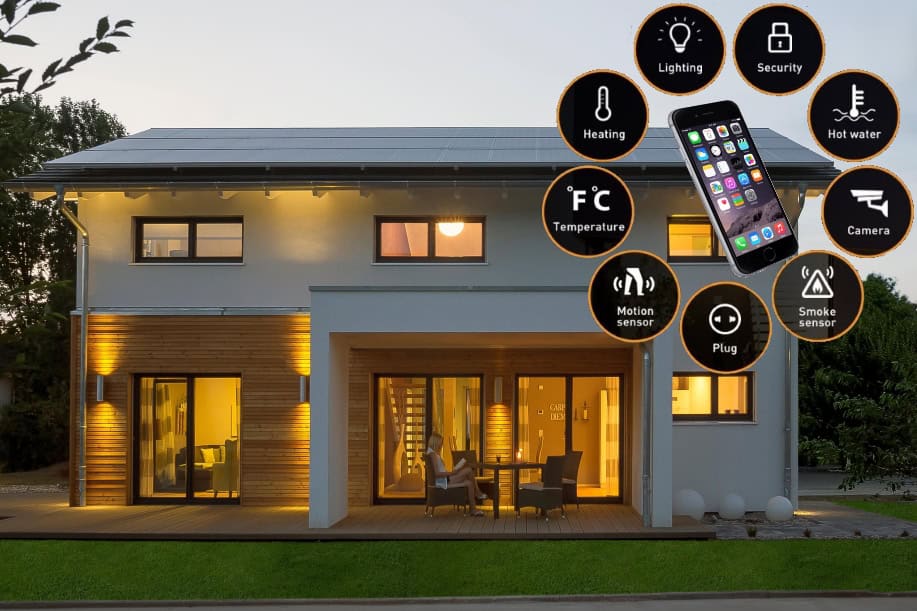
The U.S. Smart Home Market is undergoing rapid growth, fueled by technological advancements, evolving consumer preferences, and increasing demand for home automation, security, and energy efficiency. The market, valued at over USD 65.87 billion in 2030, is projected to grow at a compound annual growth rate (CAGR) of 16.3% from 2024 to 2030. This growth is set to reshape the future of residential living in the United States, enabling a new era of connected homes.
Market Overview
The U.S. Smart Home Market is driven by several interrelated factors including advancements in Internet of Things (IoT) technologies, increased penetration of Artificial Intelligence (AI) and Machine Learning (ML), rising consumer demand for enhanced convenience, home security, and energy efficiency, and the growing adoption of 5G technology. The proliferation of connected devices in the home is making it easier for consumers to monitor, control, and optimize every aspect of their living environments, from energy usage to security to entertainment.
Click Here for Your FREE Sample!
The U.S. remains the dominant region in the global smart home market, driven by high consumer purchasing power, rapid technological adoption, and a robust infrastructure. The integration of smart devices such as thermostats, lighting systems, appliances, and security systems into everyday life is becoming increasingly common, with home automation offering significant benefits in terms of convenience, cost savings, and sustainability.
Market Dynamics and Key Drivers
Technological Advancements: AI, IoT, and 5G Connectivity
At the heart of the smart home revolution are advancements in technology. The proliferation of IoT devices is transforming everyday products into interconnected components that work seamlessly together. The integration of AI enables these devices to learn from user behaviors, creating personalized and intuitive environments. For example, smart thermostats can adjust temperatures based on user preferences, while AI-powered lighting systems can adjust brightness and color based on ambient light conditions.
The rollout of 5G connectivity has also had a significant impact on the smart home market. Faster and more reliable networks facilitate real-time communication between devices, enabling greater control and automation of smart home systems. With 5G networks offering near-instantaneous data transfer, consumers can access and control their smart home devices from anywhere in the world, improving both convenience and security.
Consumer Demand for Convenience, Control, and Security
The growing demand for home automation is largely driven by consumer desire for greater convenience and control over their living environments. Smart home devices allow users to monitor and control their homes remotely, from adjusting the temperature to checking on security cameras. The convenience of managing various home systems from a central hub or smartphone has become increasingly attractive to busy consumers looking to simplify their lives.
Home security remains a top priority for U.S. consumers, especially with the rising number of home break-ins and burglaries. Smart security systems, including cameras, doorbell systems, locks, and motion detectors, are providing homeowners with enhanced security features, such as remote monitoring, real-time alerts, and facial recognition. The ability to keep a watchful eye on one’s home from anywhere, at any time, is pushing the adoption of these technologies to new heights.
Energy Efficiency and Sustainability
Energy efficiency is a key factor driving the adoption of smart home technologies in the U.S. As energy costs continue to rise and consumers become more environmentally conscious, many are turning to smart solutions to reduce their energy consumption. Devices like smart thermostats, lighting systems, and appliances allow homeowners to optimize energy usage, reducing waste and lowering utility bills.
Smart thermostats like Nest and Ecobee are among the most popular devices in the market, helping homeowners maintain a comfortable temperature while minimizing energy usage. These devices learn user preferences and adjust temperatures accordingly, ensuring that energy is not wasted when the home is unoccupied or when conditions do not require high heating or cooling.
Moreover, the growing awareness of environmental sustainability is prompting consumers to adopt eco-friendly smart home products. Smart lighting systems, for example, use energy-efficient LEDs that reduce electricity consumption while providing better lighting quality. As consumers seek ways to lower their carbon footprint, energy-efficient smart devices are becoming an integral part of modern American homes.
Market Segmentation: Products, Applications, and Distribution Channels
The U.S. smart home market can be categorized into various segments, each playing a significant role in its expansion.
Product Segmentation
- Smart Security Systems: The demand for smart security devices is driven by the need for enhanced home protection. Popular products include video doorbells (e.g., Ring, Nest Hello), smart locks (e.g., August, Schlage), and security cameras (e.g., Arlo, Wyze). These devices allow homeowners to monitor their property remotely, providing real-time alerts and detailed surveillance footage.
- Smart Lighting: The smart lighting segment includes products like bulbs, switches, and dimmers that can be controlled remotely or programmed to operate based on time, motion, or other environmental factors. Smart lighting systems help reduce energy consumption by automatically adjusting to user preferences, providing a key advantage in energy-efficient homes.
- Smart Appliances: Smart refrigerators, ovens, washing machines, and other appliances are becoming increasingly popular. These devices can be controlled remotely via smartphone apps, improving convenience and providing real-time updates about appliance performance.
- Smart Speakers and Voice Assistants: Voice-controlled devices like Amazon Echo, Google Home, and Apple HomePod are central to the smart home ecosystem. These devices allow users to control other smart home devices, play music, set alarms, and access information via voice commands.
Distribution Channels
Smart home products are distributed through various channels, including:
- Online Retail: E-commerce platforms like Amazon, Best Buy, and Home Depot are critical distribution channels for smart home devices. Online shopping offers convenience, detailed product reviews, and competitive prices, driving consumers to purchase smart home products online.
- Offline Retail: Brick-and-mortar stores remain an important part of the U.S. smart home market. Retailers like Walmart, Lowe’s, and Target offer consumers the opportunity to see and interact with smart home products before purchasing. In-store demonstrations and expert advice also play a crucial role in influencing purchasing decisions.
Conclusion
The U.S. smart home market is on an upward trajectory, with significant growth anticipated over the next decade. Advances in IoT, AI, and 5G technology, combined with growing consumer demand for convenience, security, and energy efficiency, are propelling the market forward. However, challenges such as cybersecurity, interoperability, and high initial costs must be addressed to ensure continued market success. With new innovations on the horizon and increasing consumer interest, the smart home market is poised to revolutionize the way Americans live, providing smarter, safer, and more efficient homes.
