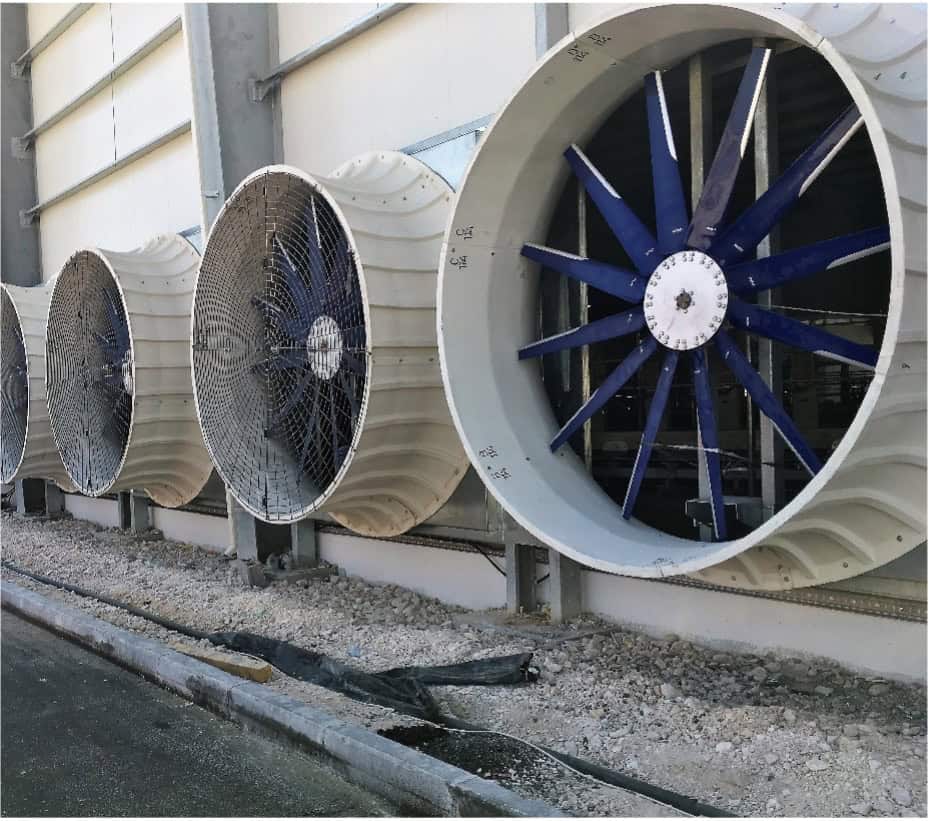
According to Next Move Strategy Consulting, the U.S. Ventilation Fan Market has witnessed notable growth, with the market is expected to continue its upward trajectory, reaching an estimated USD 928 million by 2030, growing at a robust compound annual growth rate (CAGR) of 7% from 2024 to 2030. Ventilation fans, vital for improving air quality, regulating temperature, and controlling humidity, have become indispensable in a wide array of settings, from residential homes to industrial facilities.
Click Here for Your FREE Sample!
Ventilation fans work to circulate air within confined spaces, helping eliminate stagnant air, regulate moisture levels, and mitigate hazardous pollutants, creating a comfortable and secure environment for occupants. Their role is pivotal in enhancing health, safety, and operational efficiency, which makes them a crucial component in buildings of all types. The market’s growth can be attributed to several key factors, including heightened awareness of indoor air quality (IAQ), evolving regulatory frameworks, and increased demand for energy-efficient solutions.
Increasing Awareness of Indoor Air Quality Fuels Demand
One of the primary drivers of growth in the U.S. Ventilation Fan Market is the increasing awareness of indoor air quality (IAQ) and its impact on health. According to the Environmental Protection Agency (EPA), indoor air pollution has become a pressing concern in many homes and businesses across the U.S. In October 2023, the EPA set new indoor guidelines for radon, and various states, including California, Illinois, and Texas, have enacted their own IAQ regulations. These regulations focus on controlling carbon dioxide levels, carbon monoxide, and environmental tobacco smoke (ETS) exposure, all of which can significantly affect the quality of indoor air.
As concerns about airborne pollutants and allergens continue to grow, so does the demand for solutions such as ventilation fans. The prevalence of asthma and other respiratory illnesses, coupled with the increasing emphasis on healthier living spaces, has further fueled the need for effective ventilation systems. Proper ventilation not only helps improve IAQ but also reduces the risks associated with exposure to harmful pollutants, creating a safer and healthier environment for occupants in residential, commercial, and industrial spaces.
Regulatory Frameworks and Initiatives Driving Growth
The U.S. Ventilation Fan Market is also benefitting from various regulatory initiatives and frameworks that support the adoption of energy-efficient and effective ventilation solutions. Key programs, such as the Energy Star program, play an important role in driving market growth. The Energy Star program sets stringent energy efficiency standards for ventilation fans, encouraging manufacturers to develop products that meet these criteria. These standards not only contribute to energy conservation but also provide financial incentives for consumers and businesses to adopt energy-efficient solutions.
High Maintenance Costs Could Hinder Growth
While the demand for ventilation fans continues to rise, the market faces challenges related to the maintenance costs of these systems. Regular maintenance is essential for ensuring the optimal performance and longevity of ventilation fans. This often involves tasks such as cleaning filters, lubricating moving parts, and replacing worn components. While these tasks are necessary to maintain efficiency, they also come with additional costs for businesses and homeowners.
Opportunities Arising from Energy Efficiency Regulations
A growing trend in the market is the increasing focus on energy efficiency by governmental bodies. Stringent regulations around energy use are pushing manufacturers to develop ventilation fan systems that are not only efficient but also capable of surpassing regulatory standards. These energy-efficient systems are attractive to environmentally conscious consumers and businesses, who are increasingly prioritizing sustainability in their purchasing decisions.
Key Market Segments in the U.S. Ventilation Fan Market
The U.S. Ventilation Fan Market is segmented across various categories, offering insights into the diverse range of products and applications that drive the industry forward.
- By Product Type: The market is divided into centrifugal fans, axial fans, hatch fans, and duct fans. Each of these fan types serves a different purpose and is suited for specific environments, ranging from residential to industrial spaces.
- By Flow Rate: The demand for ventilation fans is further segmented by their flow rates. This includes fans with flow rates below 100 CFM (Cubic Feet per Minute), between 100-250 CFM, 250-500 CFM, 500-750 CFM, and above 750 CFM. The flow rate determines the capacity of the fan to circulate air within a particular space.
- By Material: Ventilation fans are available in different materials, such as metal and plastic, which influence durability, performance, and cost.
- By Installation: The installation options available for ventilation fans include ceiling-mounted, wall-mounted, and in-line installations, providing flexibility depending on the space and usage requirements.
- By Application: Ventilation fans are used in a wide range of applications, including industrial, commercial, and residential spaces. Each of these sectors has unique ventilation needs, from factory floors to office buildings and homes.
- By Distribution Channel: The market also spans both online and offline distribution channels. As e-commerce continues to expand, online sales channels are increasingly important for reaching a broader consumer base.
Competitive Landscape
The U.S. Ventilation Fan Market is home to a wide range of prominent players. Some of the key companies in this sector include Ebm-papst Group, Broan-NuTone, ZIEHL-Abegg, Delta Electronics, Inc., Panasonic Holding Corporation, Crompton Greaves Consumer Electricals Limited, Mitsubishi Electronics Ltd., Zehnder Group, Havells India Ltd., and Glen Dimplex UK Limited.
These companies continue to invest heavily in innovation and sustainability, with a strong focus on developing energy-efficient ventilation solutions that meet both market demands and regulatory standards. Companies like Broan-NuTone and Panasonic are well-regarded for their advanced residential and commercial ventilation systems, while Ebm-papst and ZIEHL-Abegg lead in the development of industrial and high-performance ventilation fans.
Conclusion
The U.S. Ventilation Fan Market is set for substantial growth, driven by heightened awareness of indoor air quality, regulatory frameworks that promote energy efficiency, and growing demand across residential, commercial, and industrial sectors.
