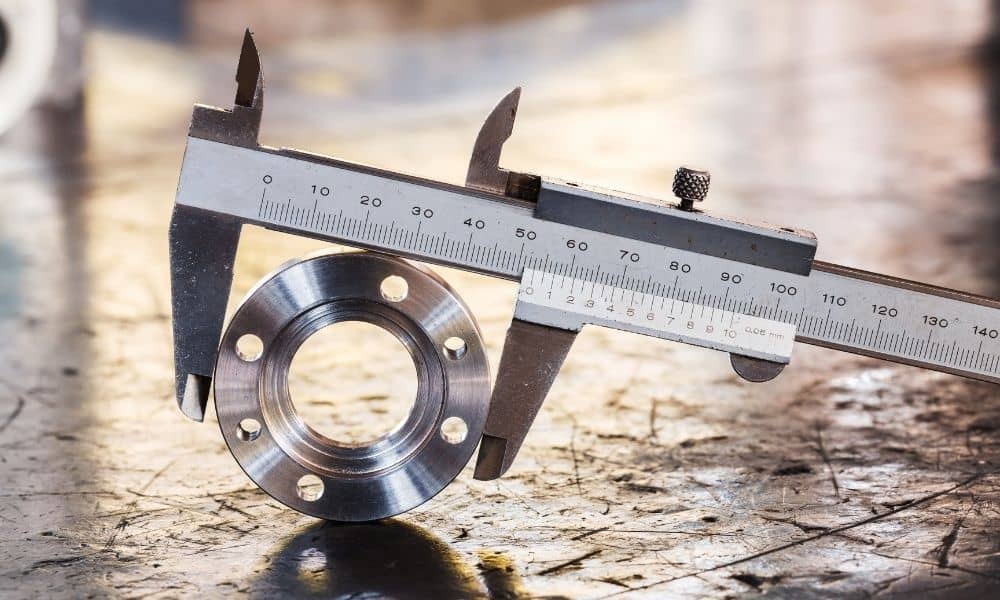
According to Next Move Strategy Consulting, the global Measuring and Control Instrument Market, is poised for remarkable growth, with a projected compound annual growth rate (CAGR) of 7% from 2024 to 2030. This would bring the market to a substantial USD 1352 billion by 2030. The expanding adoption of automation across industries like manufacturing, healthcare, and energy is fueling the demand for these critical tools that ensure precise measurement, monitoring, and control of vital physical and chemical parameters.
Click Here for Your FREE Sample!
Market Overview
Measuring and control instruments are integral to modern industrial processes, providing accurate and reliable data that are crucial for ensuring efficiency, safety, and consistency in various operations. These instruments encompass a broad spectrum of devices, including sensors, analyzers, controllers, transmitters, meters, and other measurement systems, which help monitor a wide array of physical and chemical parameters such as temperature, pressure, flow, and chemical composition.
Industries ranging from manufacturing and aerospace to energy and healthcare rely heavily on these instruments to automate complex processes, optimize performance, reduce errors, and enhance operational safety. With increasing Industrial Automation, digitalization, and the adoption of smart technologies, the measuring and control instrument market is seeing significant demand across multiple sectors.
Download Sample Industrial Automation Market
Key Market Drivers
- Rising Demand for Automation
Automation continues to be a primary driver in the global economy, transforming industries such as automotive, manufacturing, and energy. As organizations strive to enhance operational efficiency, improve quality, and reduce human error, the demand for measuring and control instruments has surged. These devices are pivotal in automating critical processes and enabling real-time monitoring and control of industrial operations. - Technological Advancements and Industry Innovation
The evolution of digital technologies and the integration of smart systems into manufacturing and industrial processes have led to the development of increasingly sophisticated measuring and control instruments. These advancements, which include sensors with improved accuracy and control systems with greater flexibility, are essential for maintaining process optimization, quality assurance, and compliance with regulations. - Healthcare and Patient Monitoring Systems
The healthcare sector’s growing demand for patient monitoring systems, diagnostic equipment, and medical devices is another significant factor driving the market for measuring and control instruments. These instruments are critical in ensuring the precision and safety of healthcare technologies, including diagnostic imaging equipment, ventilators, and remote patient monitoring systems, which have become even more important in the context of global health challenges. - Energy & Utilities Demand
The energy sector, particularly in utilities such as water, gas, and electricity, increasingly relies on measuring and control instruments to monitor consumption, ensure efficiency, and support sustainable energy management practices. In addition, as industries move toward renewable energy sources, the need for advanced measurement technologies that optimize energy use and integrate with renewable systems is becoming more crucial.
Market Segmentation
The measuring and control instrument market is segmented into various categories based on type, technology, application, sales channels, mode, and geographic region.
- By Type:
The market includes the following categories:- Sensors: These instruments are essential for measuring physical parameters like temperature, pressure, and flow in real-time.
- Transmitters: Devices that convert sensor data into signals for further processing.
- Controllers: Systems that adjust process parameters based on input from sensors and transmitters.
- Analyzers: Instruments that assess chemical or physical processes to ensure optimal performance.
- Meters: Devices used for the measurement of quantities such as voltage, current, or flow in various industries.
- By Technology:
The market is divided into three key technology segments:- Mechanical Instruments: These instruments are based on physical processes, such as pressure gauges and flow meters, that directly interact with their environment.
- Electrical Instruments: Instruments such as oscilloscopes, voltmeters, and ammeters that use electrical components for measurement.
- Electronic Instruments: These advanced devices rely on electronic circuits to provide highly accurate measurements and control, and are increasingly used across industries like healthcare and telecommunications.
- By Sales Channel:
- Original Equipment Manufacturers (OEMs): Companies that manufacture and supply measuring and control instruments for integration into end-user systems.
- Aftermarket: Refers to the segment that deals with the sale of parts, service, and upgrades after the original equipment is installed.
- By Mode:
- Online: Instruments designed for continuous monitoring and real-time data reporting in automated systems.
- Offline: Instruments that are used for periodic or batch testing, often in laboratory or quality control settings.
- By End-User: The major industries driving demand for measuring and control instruments include:
- Automotive: Used for quality assurance, safety testing, and process optimization.
- Aerospace & Defense: Essential for precision measurement and control in complex systems.
- Healthcare: Critical in medical diagnostics, patient monitoring, and treatment systems.
- Industrial Manufacturing: Employed to automate production lines and ensure operational efficiency.
- Energy & Utilities: Used for energy metering, monitoring, and optimization in utilities and renewable energy projects.
- Others: Includes applications in sectors such as food and beverage, pharmaceuticals, and chemicals.
Geographic Analysis
The global market for measuring and control instruments is analyzed across the following regions:
- North America:
North America currently holds the dominant share in the measuring and control instrument market, and it is expected to maintain this lead throughout the forecast period. Factors such as the growing adoption of healthcare technologies, the increasing automation of industrial processes, and the need for high-precision instruments in energy management are contributing to the region’s market growth. The United States, in particular, has seen a strong demand for advanced instruments in both the healthcare sector (for patient monitoring and diagnostic systems) and in industrial manufacturing. - Asia-Pacific:
The Asia-Pacific region is expected to experience significant growth due to the rapidly expanding automotive and manufacturing sectors. Countries like China, Japan, South Korea, and India are witnessing a surge in demand for automation and high-quality control systems. The growing focus on safety compliance, technological innovation, and supply chain integration in these industries is expected to drive the market forward. Additionally, increased investments in renewable energy and infrastructure development are expected to fuel market expansion in this region. - Europe:
Europe remains a key player in the measuring and control instrument market, particularly driven by the automotive, aerospace, and industrial manufacturing sectors. The demand for precision instruments, coupled with strict regulations in industrial operations, has bolstered the adoption of advanced measurement technologies. Furthermore, the rise of the region’s green energy transition is likely to boost the need for energy metering and optimization instruments.
Key Market Players
Leading players in the measuring and control instrument market are continually advancing their product offerings through innovations, acquisitions, and strategic partnerships. Notable companies in the global market include:
- Rohde & Schwarz Equipments
- Fortive
- AMETEK, Inc.
- Keysight Technologies
- Gantner Instruments
- National Instruments Corp.
- Teledyne Technologies
- VIAVI Solutions Inc.
- Anritsu
- Yokogawa Electric Corporation
Conclusion
The measuring and control instrument market is on track for significant growth, driven by the increasing need for automation, technological advancements, and the growing importance of precision across various industries. The demand for these instruments will continue to rise as industries seek to optimize operations, improve product quality, ensure regulatory compliance, and enhance safety.
