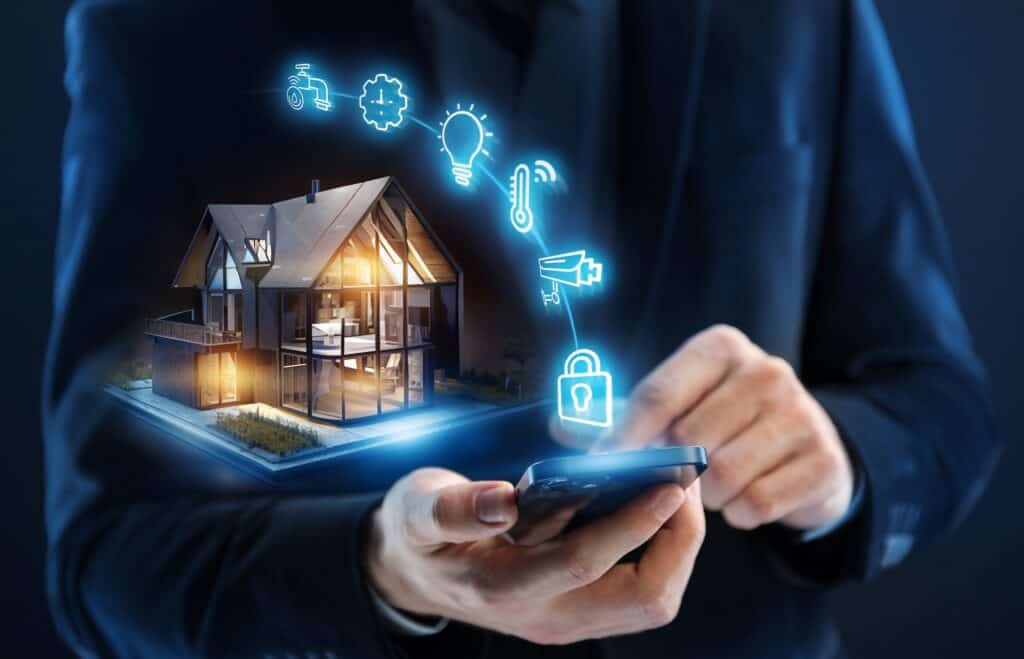
The Indonesia Smart Home Market is experiencing rapid growth as consumers increasingly seek more efficient, convenient, and secure living solutions. With a population of over 270 million and a booming digital economy, Indonesia is poised to become one of the leading markets for smart home technologies in Southeast Asia. This press release explores the key factors driving the growth of the smart home sector in Indonesia, emerging trends, challenges, and future prospects for the market.
Market Overview
Indonesia Smart Home Market has witnessed considerable expansion in recent years, fueled by technological advancements, a tech-savvy population, and a growing interest in home automation. By 2030, the market is expected to reach a value of USD 6.89 billion, expanding at a compound annual growth rate (CAGR) of 26.8%.
Click Here for Your FREE Sample!
The growth of the smart home sector in Indonesia can be attributed to several factors, including the country’s increasing digital connectivity, rising urbanization, and a shift toward energy-efficient and sustainable living. Moreover, the Indonesian government’s push for digitalization and infrastructure development is creating a favorable environment for smart home technology adoption.
Key Drivers of Market Growth
Several key factors are fueling the expansion of the smart home market in Indonesia. These drivers include technological innovations, consumer demand for convenience and security, urbanization, and government initiatives.
Technological Advancements and IoT Integration
The rise of Internet of Things (IoT) technology is one of the main drivers of the smart home market in Indonesia. IoT enables devices to communicate and interact with each other, creating an interconnected ecosystem that can be controlled remotely through mobile applications or voice assistants. This technology is making it easier for consumers to automate and control various aspects of their homes, such as lighting, heating, security, and entertainment systems.
Artificial intelligence (AI) is also playing an increasingly important role in enhancing the functionality of smart home devices. AI-powered systems, such as voice-activated assistants, smart thermostats, and predictive security systems, are allowing Indonesian consumers to enjoy personalized, hands-free home management, improving both convenience and energy efficiency.
Urbanization and Rising Disposable Income
Indonesia is experiencing rapid urbanization, with more people moving to cities and living in high-rise buildings or gated communities. As urban areas grow, there is an increased demand for smart home technologies that can enhance the functionality and efficiency of smaller living spaces. Smart home devices that allow for automation and energy optimization are particularly popular in urban settings.
Along with urbanization, rising disposable incomes are giving consumers the financial means to invest in smart home products. As the cost of smart home devices continues to decrease and more affordable options become available, consumers are more willing to adopt these technologies.
Government Initiatives and Digital Transformation
The Indonesian government has recognized the potential of digital transformation and is taking steps to promote smart technologies. The government’s “100 Smart Cities” initiative aims to foster innovation and improve urban infrastructure across the country. As part of this initiative, the government is encouraging the adoption of smart home technologies to improve the quality of life in urban centers.
Moreover, Indonesia’s push to increase broadband connectivity and expand its digital infrastructure is further driving the growth of smart home solutions. The increased availability of high-speed internet, combined with the rise in smartphone penetration, is providing consumers with the tools they need to control smart devices in their homes.
Market Segmentation: Product Types and Applications
The smart home market in Indonesia is highly diversified, with various product types catering to different consumer needs. Below is an overview of the key segments within the market.
Product Type Segmentation
- Smart Lighting: Smart lighting solutions, including bulbs, switches, and integrated systems, are some of the most popular smart home products in Indonesia. These products allow users to control lighting remotely, set schedules, and adjust brightness to create personalized atmospheres. The demand for energy-efficient smart lighting is also growing as consumers seek to reduce energy consumption and lower their utility bills.
- Smart Thermostats and Climate Control: While the concept of smart thermostats is relatively new in Indonesia, products that help regulate indoor climate are becoming more popular. Smart air conditioners, fans, and air purifiers, particularly in urban areas with high levels of pollution, are gaining traction. Consumers are seeking solutions that can improve indoor air quality while optimizing energy consumption.
- Smart Security Systems: Security remains a top priority for Indonesian consumers, and smart security systems are in high demand. Products such as smart locks, surveillance cameras, and motion sensors are commonly used to secure homes and provide real-time monitoring. Video doorbells that allow homeowners to communicate with visitors remotely are also gaining popularity.
Application Segmentation
- Residential Sector: The residential sector is the primary focus of smart home technology adoption in Indonesia. Homeowners are increasingly turning to smart devices to enhance convenience, energy efficiency, and security. The growing middle class, along with an increase in the number of high-rise buildings and residential developments, is driving demand for smart home solutions in this sector.
- Real Estate and Property Development: Real estate developers in Indonesia are integrating smart home technologies into new residential and commercial buildings to attract tech-savvy consumers. Smart homes are becoming a selling point for real estate projects, as developers seek to cater to the growing demand for connected, automated living spaces.
- Commercial Sector: The commercial sector, including hotels, offices, and retail establishments, is also adopting smart home technologies to improve efficiency and enhance customer experience. Commercial buildings are increasingly equipped with smart lighting, HVAC systems, and security solutions to optimize energy use and reduce operating costs.
Conclusion
The smart home market in Indonesia is rapidly evolving, with increasing consumer interest in home automation, security, and energy efficiency. Technological advancements, government initiatives, and rising disposable incomes are driving the market’s growth, while urbanization and the demand for convenience are fueling the adoption of smart home solutions. As the market matures, Indonesia is set to become a leading player in the Southeast Asian smart home industry, offering ample opportunities for both local and international companies.
