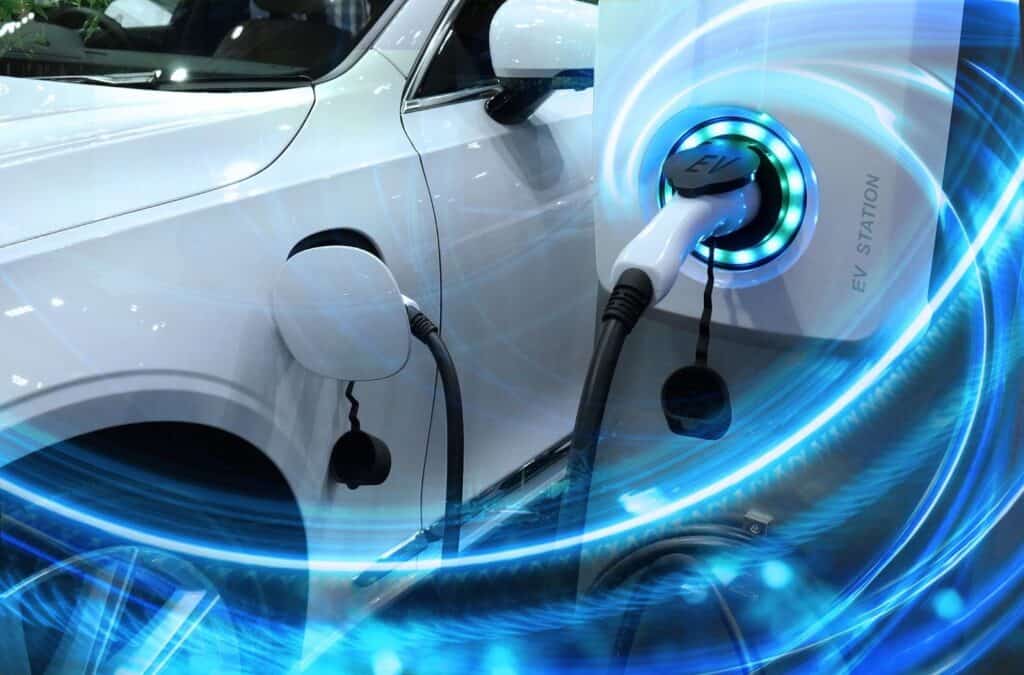
According to Next Move Strategy Consulting, the Australia Electric Vehicle (EV) Charging Market, is projected to grow exponentially, reaching USD 813.66 million by 2030. This remarkable growth represents a compound annual growth rate (CAGR) of 31.1% from 2023 to 2030. With government initiatives, technological advancements, and increased demand for electric vehicles (EVs), Australia is rapidly positioning itself as a leader in the transition to green transportation.
Market Overview: Australia Electric Vehicle Charging Landscape
The demand for Australia Electric Vehicle (EV) Charging Market is growing rapidly, driven by the need to reduce carbon emissions, combat air pollution, and improve fuel efficiency. As the number of electric vehicles on Australian roads increases, so does the need for a robust EV charging infrastructure. Electric vehicle chargers are essential to this transition, providing the necessary infrastructure to connect EVs to electrical outlets for recharging. These charging stations support various types of electric vehicles, including plug-in hybrids, neighborhood electric vehicles (NEVs), and fully electric cars.
Click Here for Your FREE Sample!
EV charging stations in Australia are categorized into three main charging levels: Level 1, Level 2, and Level 3. The higher the level, the faster the charging process, with Level 3 chargers offering rapid, ultra-fast charging to facilitate long-distance travel. Level 3 chargers have become especially important as Australians seek faster and more convenient charging options.
Government-Led Investment in EV Charging Infrastructure
The Australian government is playing a pivotal role in the growth of the EV charging infrastructure market, providing significant funding to accelerate the deployment of charging stations nationwide. This investment aims to not only expand the EV charging network but also support the purchase of electric vehicles, such as cars and buses, for government and commercial fleets.
EV Manufacturers Drive Demand for Charging Infrastructure
The rapid growth of the EV charging market is also driven by the strategic product launches and innovations introduced by electric vehicle manufacturers. As more EV manufacturers enter the Australian market, they are offering a wider variety of electric vehicles equipped with enhanced features, such as extended driving ranges and faster charging capabilities. These innovations are helping to overcome some of the key barriers to EV adoption, including range anxiety and long charging times.
In addition to this, the company introduced an EV fleet charger in November 2021, which is specifically designed to purchase energy at the lowest possible cost for commercial fleet operators in Australia. The proliferation of these charging solutions helps to address the growing demand for more convenient and efficient EV charging options, further driving the expansion of the market.
Challenges of Fast Charger Costs and Installation
While the growth of the EV charging market is promising, the high initial setup costs associated with fast chargers remain a significant barrier to widespread adoption. Level 3 chargers, which are capable of rapidly charging EVs in less than 30 minutes, come with a high upfront cost. Despite the demand for ultra-fast charging solutions, the steep installation costs may deter some businesses and consumers from investing in these charging stations.
Vehicle-to-Grid (V2G) Technology: A Game-Changer for EV Charging
Another promising development in the Australian EV charging market is the growing adoption of Vehicle-to-Grid (V2G) technology. V2G allows electric vehicles and the power grid to exchange electricity in both directions, enabling EVs to store excess energy and release it back to the grid when demand is high. This technology has the potential to revolutionize the way EVs are charged and could play a critical role in optimizing the performance of the national power grid.
In addition to providing value for EV owners, V2G technology offers opportunities for manufacturers to develop advanced connectors and charging stations that support this innovative technology.
Competitive Landscape: Key Players in Australia’s EV Charging Market
The Australia Electric Vehicle (EV) Charging Market is highly competitive, with several key players providing a range of products and services. The leading companies in the market include:
- ABB Ltd.: A global leader in EV charging solutions, ABB offers a wide array of charging stations, including ultra-fast chargers, that are integral to the expansion of Australia’s EV infrastructure.
- ChargePoint, Inc.: Known for its networked and smart charging solutions, ChargePoint is playing a significant role in the development of EV charging networks across Australia.
- Tesla Inc.: Tesla’s Supercharger network is a critical component of Australia’s charging infrastructure, providing fast-charging options for Tesla vehicles nationwide.
- Shell Recharge Solutions: Shell is expanding its footprint in the Australian market with its fast-charging solutions, supporting the widespread adoption of EVs.
- Siemens: Siemens offers a range of charging infrastructure solutions, including public and private charging stations, contributing to Australia’s move towards green transportation.
- Hyundai Motor Company: Hyundai is not only a major EV manufacturer but also a key player in the development of fast-charging infrastructure, supporting the growth of the EV market in Australia.
These companies, along with several others, are actively contributing to the expansion of EV charging stations across the country, ensuring that consumers have access to the charging infrastructure they need as EV adoption accelerates.
Market Segmentation: Key Insights
The Australia Electric Vehicle (EV) Charging Market can be segmented into several categories, providing valuable insights into the market dynamics. Key segments include:
- Charging Type: Includes off-board top-down pantographs, on-board bottom-up pantographs, and charging via connectors.
- Charging Voltage Level: Level 1 (<3.7 kW), Level 2 (3.7–22 kW), and Level 3 (above 22 kW) chargers.
- Charger Type: Slow chargers, fast chargers, and super chargers.
- IOT Connectivity: Non-connected charging stations and smart connected (networked) stations.
- Vehicle Charging: AC (normal charging), DC (super charging), and inductive charging.
- Application: Commercial and residential applications, with the commercial sector seeing higher penetration.
- Installation Type: Portable, fixed, wall-mounted, pedestal-mounted, and ceiling-mounted charging stations.
Conclusion for the Australian EV Charging Market
The Australian Electric Vehicle (EV) Charging Market is poised for significant growth, with a projected CAGR of 31.1% from 2023 to 2030. With government support, innovation from EV manufacturers, and the increasing adoption of green technologies such as V2G, the market is set to reach USD 813.66 million by 2030.
