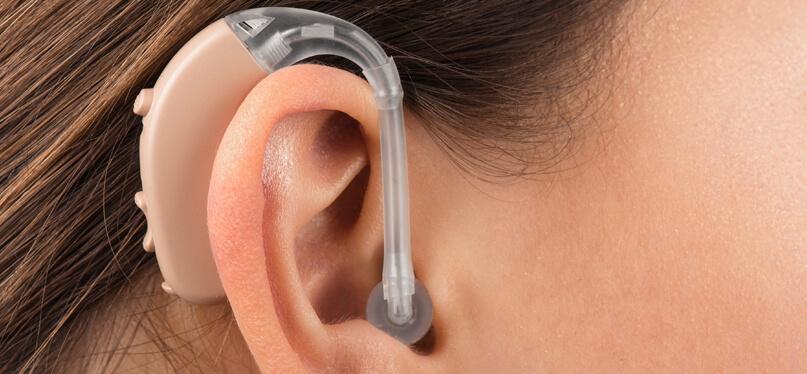
According to Next Move Strategy Consulting, the global Hearing Aid Market is on track for significant growth in the coming years, with an anticipated market value of USD 14 billion by 2030. The market is predicted to expand at a compound annual growth rate (CAGR) of 8% during the forecast by 2030. This growth is driven by the increasing prevalence of hearing loss disorders, advancements in hearing aid technology, and rising awareness of the importance of early intervention in hearing health.
Experience It for Yourself – Download a FREE Sample!
Market Definition and Scope
A hearing aid is an electronic device designed to assist individuals suffering from hearing loss or auditory nerve damage. These devices consist of three primary components: microphones, amplifiers, and speakers. The microphone captures sound, which is then converted into electrical signals by the amplifier and sent to the speaker. Hearing aids are particularly beneficial for individuals with sensorineural hearing loss, a condition caused by damage to the small sensory cells, known as hair cells, within the inner ear. By amplifying sound vibrations, hearing aids help the remaining hair cells detect the vibrations and convert them into neural signals that are sent to the brain for interpretation.
Key Market Dynamics
- Rising Incidence of Hearing Loss: A major factor contributing to the growth of the hearing aid market is the increasing global prevalence of hearing loss. According to a report by the World Health Organization (WHO), nearly 2.5 billion people worldwide are projected to have some degree of hearing loss by 2050, with at least 700 million requiring hearing rehabilitation. Notably, over 1 billion young adults are at risk of permanent hearing loss due to unsafe listening practices, which further underscores the need for accessible hearing aids.
- Technological Advancements: The market is also benefitting from continuous innovation in hearing aid technology. One significant development has been the integration of Artificial Intelligence (AI) into hearing aids, enabling users to enjoy improved sound quality and better hearing experiences in noisy environments. For example, in October 2021, Audibel, a brand of Starkey Hearing Technologies, launched the “Arc AI,” an AI-driven hearing aid that reduces background noise and enhances sound clarity.
Download Sample of Artificial Intelligence (AI) Market
- Government Initiatives: Various governments and private organizations have taken steps to provide hearing aids at discounted rates to make these life-changing devices more accessible to those in need. In June 2022, UNICEF partnered with the government of Rwanda to provide 1,200 hearing aids at a 94% discounted price, making it possible for children in need to benefit from these devices. Such initiatives are expected to further fuel market expansion.
- Challenges and Barriers: Despite the growth potential, the hearing aid market faces some challenges. One of the key barriers is the high cost of hearing aids, which limits their accessibility in developing regions. Additionally, the absence of reimbursement policies in many countries and low awareness about hearing loss and hearing aid devices in certain populations further hinder market growth.
- Future Opportunities: The introduction of new hearing aid models such as completely-in-the-canal (CIC) hearing aids, which are discreet and easy to use with smartphones, is expected to open up new growth opportunities. These hearing aids are designed to reduce the occlusion effect (a blockage or muffled feeling caused by conventional hearing aids) and provide a more comfortable experience for users.
Market Segmentation and Analysis
The hearing aid market is categorized into various segments, including product type, application, patient type, and distribution channel:
- By Product:
- In-the-ear hearing aids
- Receiver-in-the-ear hearing aids
- Behind-the-ear hearing aids
- Canal hearing aids
- By Application:
- Sensorineural hearing loss
- Conductive hearing loss
- By Patient Type:
- Adults
- Pediatrics
- By Distribution Channel:
- Retail sales
- Government purchases
- E-commerce
Geographical Analysis
The hearing aid market is experiencing substantial growth across different regions. Asia-Pacific has emerged as the dominant region in 2021, a trend that is expected to continue throughout the forecast period. The high prevalence of hearing loss among the elderly population in countries such as China, India, and Japan, combined with advancements in hearing aid technology, creates a vast consumer base. The increasing geriatric population in these countries is a significant driver of demand for hearing aids.
In addition, collaborations and innovations are further accelerating market growth in the region. For example, in September 2022, Sony Corporation and WS Audiology Denmark A/S formed a strategic partnership to deliver cutting-edge products and services in the over-the-counter self-fitting hearing aid market. This collaboration aims to introduce innovative solutions that cater to a growing demand in the U.S. market and beyond.
North America is also a key player in the hearing aid market. The United States, in particular, is experiencing a rapid increase in hearing loss cases, affecting both children and adults. According to the National Institute on Deafness and Other Communication Disorders (NIDCD), about 2 to 3 out of every 1,000 children in the U.S. are born with some level of detectable hearing loss, while approximately 15% of adults (37.5 million) report difficulty hearing.
Competitive Landscape
The hearing aid market is highly competitive, with several established players holding significant market shares. Prominent companies in the market include:
- Oticon
- Starkey Hearing Technologies
- WS Audiology (formerly Demant)
- Sonova Holding AG
- GN Store Nord
- Jabra
- Bernafon
- Hansaton
- Philips Hearing Aids
These companies are employing various strategies, including product innovations, strategic partnerships, and mergers and acquisitions, to strengthen their position in the market. For instance:
- GN Hearing launched the ReSound OMNIA hearing aid platform in August 2022, designed to enhance the hearing experience, particularly in noisy environments, by offering improved clarity and access to fine details of sound.
- Sonova introduced Marvel hearing technology in December 2020, which offers cochlear implant (CI) wearers improved sound quality, particularly in noisy environments, through close collaboration between its brands, Advanced Bionics (AB) and Phonak.
Conclusion
The hearing aid market is expected to continue its rapid growth, fueled by technological advancements, rising awareness about hearing loss, and the increasing global prevalence of auditory impairments. With continuous innovation and strategic efforts by key industry players, the hearing aid market is well-positioned to provide improved solutions to individuals with hearing challenges, enhancing their quality of life. As the demand for hearing aids continues to rise, there will be ample opportunities for new entrants, technological innovations, and government interventions to support the growth of the global market.
