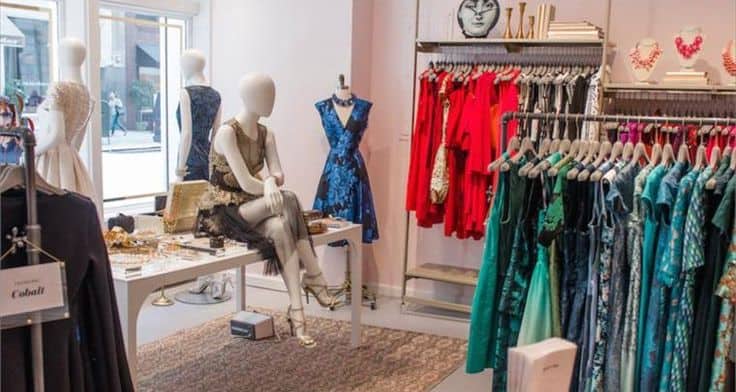
The Online Clothing Rental Market redefining how consumers engage with fashion. As sustainability concerns grow and consumer preferences shift toward affordability, convenience, and variety, the demand for rental fashion services is surging. Online platforms offering subscription-based and pay-per-use models are revolutionizing the way individuals access high-end and everyday apparel without long-term commitments. Estimated to reach a valuation of 3.13 billion by 2030, this market is projected to expand at a compound annual growth rate (CAGR) of 8.9%, presenting lucrative opportunities for stakeholders worldwide.
The online clothing rental market caters to consumers seeking designer fashion at a fraction of the price, eco-conscious shoppers looking to minimize their environmental footprint, and individuals who prioritize convenience over ownership. Fueled by the increasing penetration of e-commerce, digital fashion platforms, and a changing retail landscape, the market is poised for remarkable growth.
This press release explores key market drivers, emerging trends, innovations, regional insights, competitive strategies, and future opportunities shaping the online clothing rental industry.
The Online Clothing Rental Market allows consumers to borrow apparel for a specific period instead of purchasing it outright. The business model caters to various needs, including special occasion wear, work attire, maternity wear, and designer fashion. Subscription-based rental services, one-time rentals, and peer-to-peer sharing platforms have gained traction, offering flexible wardrobe solutions at a fraction of retail costs.
Click Here for Your FREE Sample!
In recent years, the market has gained momentum due to rising consumer awareness regarding sustainable fashion, the increasing influence of social media, and the rapid digitalization of the fashion industry. Consumers, especially Millennials and Gen Z, are driving demand for rental fashion as they seek cost-effective ways to access premium apparel while minimizing their environmental impact.
Key Market Drivers
Several factors are driving the growth of the online clothing rental market:
- Rising Consumer Awareness of Sustainable Fashion
The fashion industry is one of the largest contributors to global waste and carbon emissions. Fast fashion has led to excessive clothing production, landfill waste, and resource depletion. As consumers become more environmentally conscious, they are turning to rental services as a sustainable alternative to fast fashion. Rental platforms extend the lifecycle of garments, reducing textile waste and promoting circular fashion.
- Increasing Popularity of Subscription-Based Models
Subscription-based clothing rental services have gained significant traction, offering monthly wardrobe refreshes without the hassle of ownership. Platforms such as Rent the Runway, Nuuly, and Le Tote provide members with access to designer brands, workwear, and seasonal collections at an affordable price. The convenience of rotating wardrobes without accumulating excess clothing is a major draw for consumers.
- Affordability and Access to Luxury Fashion
Luxury fashion remains aspirational for many consumers, but rental services make high-end brands accessible at a fraction of the retail price. Consumers can rent designer dresses, handbags, and accessories for special events without making long-term financial commitments. This affordability factor is particularly appealing to young professionals, students, and fashion enthusiasts.
- Growth of E-Commerce and Digital Fashion Platforms
The rise of e-commerce and mobile shopping has accelerated the adoption of online clothing rental services. Digital fashion platforms leverage AI-driven recommendations, personalized styling, and user-friendly interfaces to enhance the customer experience. The convenience of browsing and renting clothing from home has contributed to market growth.
- Social Media and Influencer Culture
With social media playing a dominant role in shaping fashion trends, consumers are increasingly drawn to rental services to keep up with evolving styles without cluttering their wardrobes. Influencers and celebrities endorsing rental platforms have further fueled demand, making fashion-on-demand a mainstream concept.
Emerging Trends in the Online Clothing Rental Market
The online clothing rental industry is evolving with technological advancements and innovative business models. Some of the key trends include:
- AI-Powered Personalization and Virtual Fitting Rooms
Rental platforms are integrating AI and machine learning to provide personalized outfit recommendations based on user preferences, body type, and past rentals. Virtual fitting rooms and AR-based try-on technology are enhancing the online shopping experience, reducing returns and improving customer satisfaction.
- Expansion of Peer-to-Peer (P2P) Rental Platforms
The rise of peer-to-peer (P2P) clothing rental services allows individuals to rent out their own wardrobes, creating a shared economy for fashion. Platforms such as HURR Collective and By Rotation enable consumers to monetize their designer pieces while promoting sustainable consumption.
- Maternity and Workwear Rental Growth
Maternity clothing and workwear rentals are gaining popularity as consumers look for cost-effective, temporary wardrobe solutions. Expecting mothers and professionals transitioning between jobs find rental services a practical and affordable way to maintain a stylish wardrobe without making unnecessary purchases.
- Eco-Friendly Packaging and Sustainable Logistics
To further align with sustainability goals, rental companies are adopting reusable garment bags, biodegradable packaging, and carbon-neutral shipping methods. These initiatives help reduce the environmental footprint of fashion logistics.
- Rental Expansion Beyond Apparel
While clothing rentals remain the core market segment, companies are expanding into accessories, handbags, and even footwear rentals. Luxury handbag rental services like Bag Borrow or Steal and Vivrelle are gaining popularity among fashion-conscious consumers.
Regional Market Insights
- North America: The Market Leader
North America is the largest market for online clothing rentals, driven by strong digital adoption, sustainability awareness, and high disposable income. The U.S. leads in subscription-based rental models, with companies like Rent the Runway and Le Tote dominating the space. The demand for rental fashion is particularly high among working professionals and urban consumers.
- Europe: Growing Focus on Circular Fashion
Europe is witnessing significant growth in rental fashion, supported by government initiatives promoting circular fashion and sustainability. Countries like the U.K., Germany, and France are leading the charge, with brands focusing on eco-friendly rental services and P2P clothing exchanges.
- Asia-Pacific: Rapid Expansion and Digital Disruption
The Asia-Pacific region is one of the fastest-growing markets, driven by rising middle-class income, urbanization, and increasing fashion-conscious consumers. Countries like China, India, and Japan are seeing a surge in online rental platforms, with local players innovating to meet regional preferences.
Conclusion
The online clothing rental market is revolutionizing the fashion industry, offering consumers a sustainable, affordable, and convenient alternative to traditional shopping. With increasing digital adoption, growing eco-consciousness, and evolving consumer preferences, the rental fashion industry is poised for exponential growth in the coming years.
As brands embrace innovation and circular economy principles, online clothing rental services will continue reshaping how consumers engage with fashion, making sustainability the new standard in the industry.
