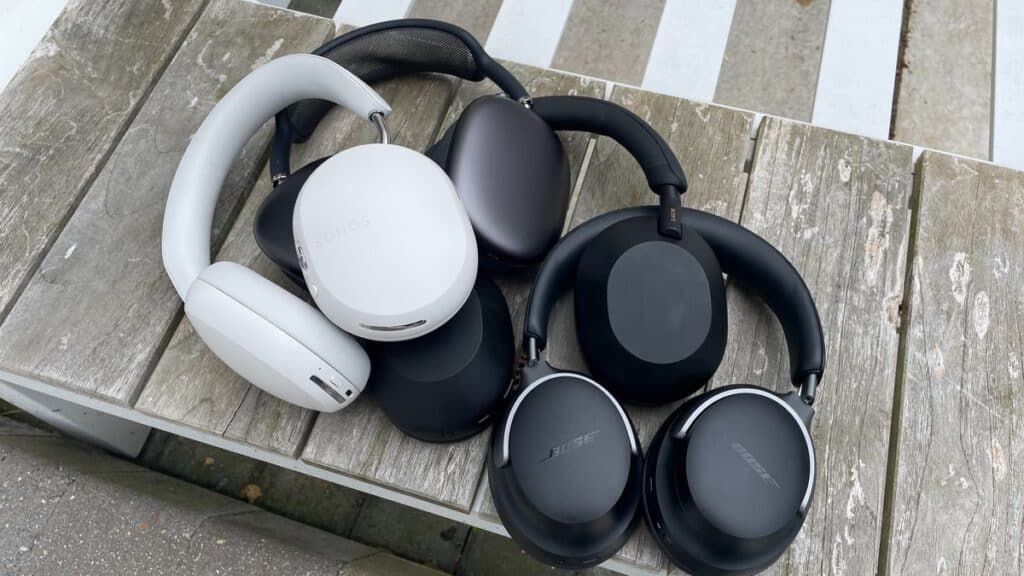
The global Smart Headphones Market is witnessing a remarkable surge, fueled by increasing consumer demand for advanced audio experiences, seamless connectivity, and smart assistant integration. As wireless technology becomes more sophisticated and artificial intelligence (AI) continues to reshape consumer electronics, smart headphones are evolving into multifunctional devices offering noise cancellation, voice command capabilities, biometric monitoring, and real-time language translation. Estimated to reach a valuation of 40.43 billion by 2030, this market is projected to expand at a compound annual growth rate (CAGR) of 18.8%, presenting lucrative opportunities for stakeholders worldwide.
Consumers today seek versatile audio solutions that cater to various aspects of their daily lives, including work, fitness, entertainment, and communication. Smart headphones, equipped with Bluetooth 5.0, AI-driven adaptive sound control, and health-tracking features, are meeting these evolving needs.
With rising investments in wearable technology, key players in the industry, including Apple, Sony, Bose, Samsung, and Sennheiser, are introducing innovative products that redefine personal audio experiences. This press release explores key market drivers, emerging trends, competitive strategies, and future growth prospects in the smart headphones industry.
Market Overview
The Smart Headphones Market consists of wireless and AI-integrated headphones that offer more than just music playback. These devices feature:
Click Here for Your FREE Sample!
- Active Noise Cancellation (ANC) for immersive sound experiences.
- Smart assistant integration (e.g., Siri, Alexa, Google Assistant) for voice control.
- Biometric sensors for health tracking, including heart rate monitoring.
- Gesture and touch controls for seamless operation.
- Real-time translation for global travelers and multilingual users.
Key Market Drivers
- Rising Demand for True Wireless Stereo (TWS) Technology
TWS earbuds, such as Apple AirPods, Samsung Galaxy Buds, and Sony WF-1000XM series, dominate the market due to their portability, improved battery life, and seamless Bluetooth connectivity. The removal of the headphone jack from smartphones has accelerated TWS adoption, making them the preferred choice for consumers.
- AI and Voice Assistant Integration
Smart headphones now offer built-in AI and voice assistants, allowing users to control music, make calls, set reminders, and access navigation hands-free. AI-powered noise cancellation and adaptive sound control adjust audio settings based on the user’s environment.
- Growing Popularity of Active Noise Cancellation (ANC)
Consumers are increasingly seeking immersive audio experiences for travel, work, and leisure. Advanced ANC technology, available in Bose QuietComfort Ultra, Sony WH-1000XM5, and Apple AirPods Pro, enables users to block out external noise and enjoy superior sound clarity.
- Health and Fitness Tracking Capabilities
With growing consumer interest in wearable health technology, smart headphones now feature biometric sensors, heart rate monitoring, and motion tracking. Brands like Jabra Elite Sport and Bose SoundSport Pulse cater to fitness enthusiasts looking for high-quality audio combined with health insights.
- Seamless Connectivity and 5G Integration
Smart headphones are evolving with 5G compatibility and low-latency Bluetooth codecs like aptX Adaptive and LDAC, providing higher-quality audio streaming and seamless device switching. These innovations are enhancing user experiences across gaming, work-from-home setups, and virtual meetings.
- Increasing Demand for Real-Time Language Translation
Companies like Google and Timekettle are introducing real-time translation features in smart earbuds, enabling users to communicate seamlessly across different languages. This trend is gaining traction among international travelers and business professionals.
Emerging Trends in the Smart Headphones Market
- AI-Powered Personalization
Smart headphones now feature adaptive sound control, which uses machine learning to adjust sound settings based on the user’s activities and environment. AI-powered noise cancellation dynamically enhances voice clarity during calls and eliminates background noise.
- Enhanced Battery Life and Fast Charging
Advancements in Battery technology are enabling smart headphones to offer longer playback times, quick charge capabilities, and energy-efficient power management. Some premium models now provide up to 50 hours of battery life on a single charge.
Click Here for Your FREE Sample!
- Waterproof and Rugged Designs for Sports Enthusiasts
Water-resistant and IPX-rated headphones like the Jaybird Vista 2 and Beats Powerbeats Pro cater to athletes and outdoor users, offering durability, sweat resistance, and secure-fit designs.
- Smart Noise Isolation and Transparency Modes
Next-generation smart headphones feature adaptive noise control and transparency modes, allowing users to adjust noise levels based on their surroundings. Brands like Apple, Sony, and Bose have pioneered intelligent noise cancellation that adapts in real time.
- Gesture and Touch-Based Controls
Smart headphones now include touch-sensitive surfaces and gesture recognition, eliminating the need for physical buttons. Voice commands and head-tracking sensors are further improving user interactions.
Regional Market Insights
- North America: The Largest Market Share
North America dominates the global smart headphones industry, driven by high smartphone penetration, tech-savvy consumers, and strong adoption of AI-driven devices. Leading brands such as Apple, Bose, and Beats by Dre are headquartered in the U.S., contributing to market growth.
- Asia-Pacific: Fastest Growing Market
The Asia-Pacific region is experiencing rapid growth due to rising disposable incomes, increasing smartphone adoption, and expanding e-commerce penetration. China, Japan, and South Korea are emerging as key players, with companies like Huawei, Xiaomi, and Sony investing in smart audio technology.
- Europe: Innovation and Sustainability Trends
European consumers prioritize premium sound quality and eco-friendly designs. Companies are focusing on recyclable materials and energy-efficient audio solutions, with brands like Sennheiser and Bowers & Wilkins leading the market.
Competitive Landscape
The smart headphones market is highly competitive, with key players investing in AI innovation, superior audio quality, and smart assistant integration. Major companies include:
- Apple (AirPods, Beats by Dre) – Leading the TWS market with advanced ecosystem integration.
- Sony (WH-1000XM5, WF-1000XM4) – Known for industry-leading ANC technology.
- Bose (QuietComfort Ultra, Sport Earbuds) – Specializing in premium noise-canceling headphones.
- Samsung (Galaxy Buds Series) – Offering seamless connectivity within the Samsung ecosystem.
- Sennheiser (Momentum Series, CX Series) – Catering to audiophiles with high-fidelity sound.
- Google (Pixel Buds Series) – Focused on real-time translation and Google Assistant integration.
Future Outlook and Challenges
- Sustainability and Eco-Friendly Materials
Consumers are demanding environmentally friendly audio products, leading companies to adopt recyclable materials, biodegradable packaging, and energy-efficient battery technology.
- Rising Competition from Emerging Brands
New entrants in the market, particularly from China and India, are offering affordable smart headphones with competitive features, challenging established brands.
- Privacy and Data Security Concerns
With smart headphones collecting user data for AI optimization, concerns over data security and privacy regulations are increasing. Companies must prioritize secure encryption and transparency in data usage.
- Technological Advancements in Augmented Reality (AR) and Spatial Audio
The integration of spatial audio, 3D soundscapes, and AR-driven experiences is expected to revolutionize the smart headphones industry, offering next-level immersive experiences.
Conclusion
The smart headphones market is evolving rapidly, driven by AI integration, advanced noise cancellation, and seamless connectivity. As consumer preferences shift towards multifunctional, smart, and eco-friendly devices, industry leaders continue to push the boundaries of innovation.
With new product launches, emerging technologies, and increasing adoption of TWS earbuds, the global smart headphones market is poised for significant growth in the coming years.
