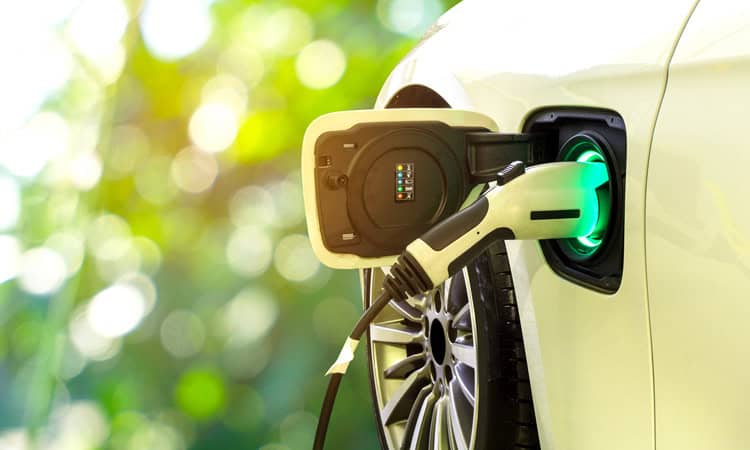
According to Next Move Strategy Consulting, the global E-Mobility Market is transforming the transportation sector, driven by growing environmental concerns, government policies supporting electrification, advancements in battery technology, and increasing consumer demand for sustainable mobility solutions. As electric vehicles (EVs), e-bikes, e-scooters, and electric public transport solutions gain popularity, the market is experiencing rapid growth and innovation. Major automakers, tech companies, and startups are investing in next-generation electric mobility solutions, making the sector one of the most dynamic in the automotive and energy industries. The market is projected to reach USD 2305.33 billion by 2030, growing at a compound annual growth rate (CAGR) of 26.9%.
This press release explores key trends, market drivers, challenges, regional dynamics, and the future outlook of the E-Mobility Market.
Click Here for Your FREE Sample!
E-Mobility refers to the use of electric-powered vehicles, including battery electric vehicles (BEVs), plug-in hybrid electric vehicles (PHEVs), electric buses, electric bikes, and other alternative fuel mobility solutions. The shift toward e-mobility is part of a broader movement to reduce greenhouse gas emissions, decrease dependency on fossil fuels, and improve urban air quality.
According to market research, the global E-Mobility Market is projected to grow at a significant CAGR (Compound Annual Growth Rate) over the next decade, fueled by advancements in battery technology, expansion of EV charging infrastructure, and government incentives for electrification.
Key Market Drivers
- Government Policies & Regulatory Support
Governments worldwide are implementing policies to phase out internal combustion engine (ICE) vehicles and promote electric mobility. Policies such as EV purchase subsidies, tax incentives, low-emission zones, and carbon neutrality goals are accelerating market growth. - Rising Fuel Costs & Energy Independence
With increasing oil prices and geopolitical uncertainties, many countries are looking to reduce dependence on fossil fuels by investing in e-mobility solutions. Electric vehicles offer lower operational costs compared to traditional gasoline-powered vehicles. - Advancements in Battery Technology
Innovations in lithium-ion, solid-state, and fast-charging battery technologies are improving EV performance, range, and charging times. Lower battery costs are making EVs more affordable and accessible to the mass market. - Expansion of Charging Infrastructure
The rapid deployment of EV charging stations, ultra-fast chargers, and wireless charging technology is eliminating range anxiety and encouraging EV adoption. Governments and private companies are investing in expanding public and home-based charging networks. - Growth of Shared & Micromobility Solutions
The rise of shared e-mobility services, including e-scooters, e-bikes, and electric ride-hailing services, is driving the adoption of electric transportation in urban areas. Cities are integrating e-mobility solutions into their public transit networks. - Sustainability & Corporate ESG Initiatives
Businesses and fleet operators are electrifying their vehicle fleets to meet Environmental, Social, and Governance (ESG) goals and reduce their carbon footprint. The push for zero-emission logistics and last-mile delivery solutions is further propelling market growth.
Market Segmentation
The E-Mobility Market is segmented based on vehicle type, propulsion technology, charging infrastructure, and geography.
- By Vehicle Type:
- Battery Electric Vehicles (BEVs) – Fully electric vehicles powered by rechargeable batteries.
- Plug-in Hybrid Electric Vehicles (PHEVs) – Vehicles with both electric and internal combustion engines.
- Electric Buses & Public Transport – Electrification of public transport networks.
- E-Bikes & E-Scooters – Growth in micromobility solutions for urban transport.
- Electric Trucks & Commercial Vehicles – Fleet electrification for logistics and delivery.
- By Propulsion Type:
- Battery Electric Vehicles (BEVs)
- Hybrid Electric Vehicles (HEVs)
- Plug-in Hybrid Electric Vehicles (PHEVs)
- Fuel Cell Electric Vehicles (FCEVs)
- By Charging Infrastructure:
- Public Charging Stations
- Home Charging Units
- Fast Charging & Ultra-Fast Charging Solutions
- Wireless Charging Systems
- By Region:
- North America – The U.S. and Canada are leading EV adoption, with strong government incentives and infrastructure expansion.
- Europe – Rapid growth in EV adoption, led by countries like Germany, Norway, and the UK, supported by stringent emission regulations.
- Asia-Pacific – China is the largest EV market, with significant growth in India, Japan, and South Korea.
- Middle East & Africa – Emerging markets with increasing investment in electric public transport and fleet electrification.
- Latin America – Growth in EV adoption, particularly in Brazil and Mexico.
Regional Insights
- North America
The North American market is expanding, driven by government initiatives, corporate EV adoption, and increasing consumer interest in sustainability. The U.S. Inflation Reduction Act (IRA) and Canada’s EV policies are boosting market growth. - Europe
Europe has established itself as a global leader in e-mobility, with high EV adoption rates in Norway, Germany, France, and the UK. Strict carbon neutrality targets and fuel bans are accelerating demand. - Asia-Pacific
China dominates the E-Mobility Market, accounting for the largest share of global EV sales. The Chinese government’s support, growing domestic EV brands, and battery manufacturing advancements contribute to market leadership. - Middle East & Africa
Countries such as the UAE, Saudi Arabia, and South Africa are exploring e-mobility expansion, particularly in electric buses and smart city initiatives. - Latin America
The region is witnessing gradual EV adoption, with Brazil, Mexico, and Chile investing in EV infrastructure and policy frameworks to encourage electrification.
Challenges in the E-Mobility Market
- High Initial Costs
EVs remain more expensive than gasoline-powered cars, although prices are decreasing due to battery advancements and mass production. - Limited Charging Infrastructure
The lack of widespread, fast-charging networks remains a barrier to mass EV adoption, particularly in developing markets. - Battery Recycling & Sustainability Concerns
Managing battery disposal, recycling, and raw material sourcing (lithium, cobalt, nickel) remains a challenge for the industry. - Range Anxiety & Consumer Skepticism
Many consumers are concerned about EV range limitations and charging times, affecting purchase decisions.
Future Trends & Market Opportunities
- Solid-State Batteries & Next-Gen EV Technology
Advancements in solid-state batteries, graphene-based batteries, and ultra-fast charging solutions will enhance EV performance, safety, and range. - Wireless & Autonomous Charging Solutions
The development of wireless charging and autonomous EV refueling stations will drive market expansion. - Expansion of EV Fleets & Last-Mile Delivery
E-commerce and logistics companies are transitioning to electric delivery vans and autonomous electric trucks to reduce operational costs. - Smart Grid & Renewable Energy Integration
The integration of EVs with smart grids and renewable energy sources will create energy-efficient transportation ecosystems. - Government Bans on ICE Vehicles
Many governments have announced future bans on fossil-fuel vehicles, setting 2025-2040 as key transition years for e-mobility dominance.
Conclusion
The E-Mobility Market is rapidly evolving, with EVs, battery technology, and charging infrastructure playing a crucial role in shaping the future of sustainable transportation. As businesses, governments, and consumers embrace electric mobility, the market is set for exponential growth. Despite challenges, the industry presents major opportunities for investment, innovation, and global expansion, making E-Mobility the future of transportation. Stay tuned for further insights, industry developments, and investment opportunities in the E-Mobility Market.
