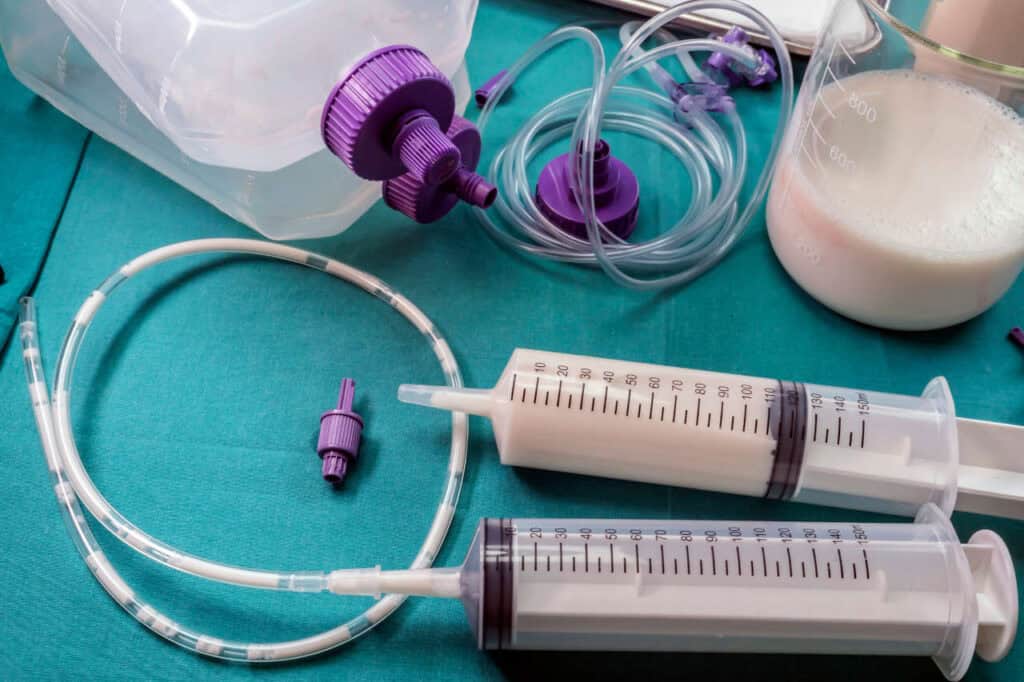
According to Next Move Strategy Consulting, the Enteral Feeding Devices Market is projected to witness significant growth, driven by the increasing prevalence of chronic diseases, advancements in medical technology, and a growing preference for home healthcare solutions. As the demand for nutritional support increases among patients with swallowing disorders, neurological conditions, and malnutrition, the market for enteral feeding devices is forecasted to grow at a CAGR of 5.4% from 2024 to 2030, reaching an estimated value of USD 5.25 billion by 2030.
The Enteral Feeding Devices Market is experiencing rapid growth as innovations in medical technology, increased adoption of homecare solutions, and an aging population continue to drive demand for enteral feeding devices. Furthermore, the increasing prevalence of chronic diseases such as cancer, diabetes, and cardiovascular diseases is further fueling the need for nutritional intervention through enteral feeding.
Click Here for Your FREE Sample!
Key Drivers of the Enteral Feeding Devices Market
- Increasing Prevalence of Chronic Diseases and Malnutrition
Chronic diseases, including cancer, neurological disorders, and gastrointestinal diseases, often lead to swallowing difficulties, impaired digestion, or malnutrition. This has led to an increase in demand for enteral feeding devices to ensure proper nutrition. Additionally, the rising prevalence of malnutrition, particularly in elderly populations, has further spurred the demand for enteral feeding solutions. - Growth in Home Healthcare
The demand for home healthcare is expanding due to a shift toward more cost-effective and personalized care. Patients are increasingly opting for home-based enteral feeding solutions rather than hospital-based care, leading to an increase in the market for portable feeding pumps, feeding tubes, and related accessories. - Technological Advancements in Feeding Devices
Recent innovations in enteral feeding devices, such as the development of smart feeding pumps, remote monitoring capabilities, and improved tube designs, are making these devices more efficient and user-friendly. These advancements are improving patient comfort and compliance, thereby contributing to market growth. - Aging Population
As the global population ages, the prevalence of age-related diseases, including stroke, Parkinson’s disease, and dementia, is increasing. These conditions often result in the need for enteral feeding, further expanding the demand for enteral feeding devices.
Market Restraints
- High Cost of Devices
The cost of advanced enteral feeding devices, particularly those with smart features and remote monitoring capabilities, can be prohibitive for some patients, especially in emerging markets. This cost barrier could limit adoption and market growth. - Risk of Complications
While enteral feeding is a safe and effective solution for many patients, complications such as infections, clogging of tubes, and displacement of tubes can occur. These risks may deter some patients and healthcare providers from opting for enteral feeding solutions. - Lack of Awareness in Emerging Markets
In regions like Africa, Latin America, and parts of Asia, the awareness of enteral feeding devices and their benefits may be low. Lack of access to proper healthcare infrastructure and education could hinder market expansion in these regions.
Market Segmentation
The Enteral Feeding Devices Market is segmented based on product type, application, end-use industry, geography, and distribution channel.
By Product Type
- Enteral Feeding Tubes – Including nasogastric tubes, gastrostomy tubes, and jejunostomy tubes.
- Feeding Pumps – Automated devices used for the controlled delivery of nutritional formulas.
- Feeding Set Accessories – Includes syringes, feeding bags, and connectors.
- Others – Includes related products like enteral nutrition formulas and pumps for continuous feed delivery.
By Application
- Cancer
- Neurological Disorders
- Gastrointestinal Disorders
- Dysphagia
- Malnutrition
- Others
By End-Use Industry
- Hospitals and Clinics
- Homecare
- Ambulatory Care Centers
- Nursing Homes
By Geography
- North America
- Europe
- Asia-Pacific
- Latin America
- Middle East & Africa
By Distribution Channel
- Direct Sales
- Retail/Wholesale Distribution
- Online Platforms
Regional Market Analysis
- North America
North America dominates the enteral feeding devices market, driven by the high healthcare standards and the presence of advanced medical technology. The U.S. is the largest market, where enteral feeding devices are widely used in hospitals, nursing homes, and homecare settings. Additionally, the high prevalence of chronic diseases, such as cancer, diabetes, and stroke, is driving the demand for enteral feeding devices.
The market is further supported by the adoption of smart feeding pumps and other technologically advanced devices. Medtronic, Abbott Laboratories, and Cook Medical are some of the leading companies in the U.S. market.
- Europe
Europe is another significant market for enteral feeding devices, with countries like Germany, France, and the UK leading the way. The aging population in these countries, coupled with the increasing incidence of neurological disorders and malnutrition, is boosting demand. Furthermore, the growing shift toward home healthcare is contributing to the expansion of the market.
- Asia-Pacific
The Asia-Pacific region is expected to witness the highest growth rate in the enteral feeding devices market. As healthcare systems improve, countries like China, India, and Japan are experiencing increased demand for homecare solutions and enteral feeding devices. The rising burden of chronic diseases and aging populations in these countries is also propelling market growth.
In addition, the growing number of healthcare initiatives and awareness campaigns in emerging economies is helping to boost adoption rates.
- Latin America
The Latin American market is showing steady growth due to the rising prevalence of diseases that require nutritional support, such as cancer and neurological disorders. Countries like Brazil and Mexico are expected to drive demand for enteral feeding devices in the region. Homecare settings and hospitals are the primary end-users of these devices.
- Middle East & Africa
In the Middle East and Africa (MEA), the market for enteral feeding devices is growing at a slower pace but is expected to witness steady growth due to increasing awareness of malnutrition, neurological disorders, and other conditions that require nutritional support.
Competitive Landscape
The Enteral Feeding Devices market is highly competitive, with several major players offering a wide range of products. Some of the leading companies in the market include:
- Abbott Laboratories
- Medtronic
- Fresenius Kabi AG
- Cook Medical
- Boston Scientific Corporation
- Nutricia
- Danone S.A.
- Conmed Corporation
Future Outlook
The global enteral feeding devices market is poised for continuous growth in the coming years, driven by advancements in medical technology, increasing demand for homecare, and the rising prevalence of chronic diseases and malnutrition. The increasing preference for cost-effective and personalized healthcare solutions is expected to spur the adoption of enteral feeding devices, particularly in homecare settings.
Technological advancements, including the integration of smart devices and remote monitoring, will play a significant role in improving patient outcomes and expanding market opportunities. As awareness of nutritional support grows, the enteral feeding devices market is expected to become a crucial segment of the global healthcare industry.
Conclusion
The Enteral Feeding Devices market is positioned for significant growth, driven by the increasing demand for effective nutritional support solutions in chronic diseases, aging populations, and homecare environments. Advancements in medical technology, combined with the growing shift toward home-based care, are expected to fuel market expansion.
