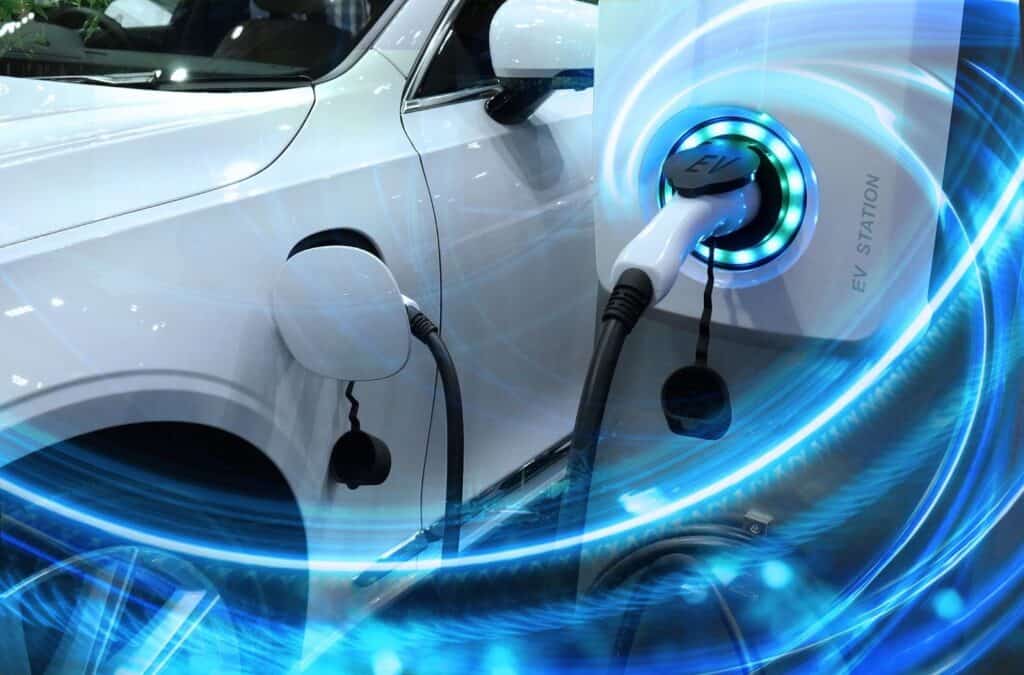
According to Next Move Strategy Consulting, the India Electric Vehicle (EV) Charging Market, is poised for extraordinary growth, projected to reach USD 5,695.6 million by 2030. This surge represents a remarkable compound annual growth rate (CAGR) of 39.1% from 2024 to 2030. As India accelerates its transition to electric mobility, the demand for EV charging infrastructure is growing rapidly, underpinned by strong government initiatives, a growing electric vehicle market, and advancements in technology.
Key Drivers of Growth in the Indian EV Charging Market
The remarkable growth of the Indian EV Charging market is driven by several key factors:
Click Here for Your FREE Sample!
- Rapid EV Sales Surge: As India adopts electric vehicles at an accelerating pace, the demand for EV charging solutions has skyrocketed. In 2022, India saw a 209.2% increase in EV registrations compared to 2021, with over 1 million electric vehicles (EVs) registered. The surge in Battery Electric Vehicle (BEV) sales, notably led by market leader Tata Motors, has created a strong demand for a reliable and expansive network of charging stations.
- Government Initiatives and Financial Investments: The Indian government has played a pivotal role in advancing the EV sector by offering various financial incentives, including subsidies for manufacturers and consumers. The Faster Adoption and Manufacturing of Electric Vehicles (FAME-II) scheme, which provides incentives based on battery size, is one such initiative that has fueled EV adoption.
- Financial Support from the Private Sector: Private companies are also contributing to the expansion of charging infrastructure. Startups focusing on Electric Vehicle Supply Equipment (EVSE) and charge point operators (CPOs) are playing a crucial role in the rapid deployment of charging stations. Companies like Ather Energy, Tata Power, and Jio-bp are leading the way in establishing a nationwide network of EV chargers, further strengthening the EV ecosystem.
Barriers to Growth: High Initial Setup Costs and Standardization Challenges
Despite the substantial growth of the EV charging market, the sector faces a few key challenges that may hinder faster expansion:
- High Initial Setup Costs: One of the major barriers to scaling EV charging infrastructure is the high initial cost of installing fast charging stations, particularly those with 1 MW or higher-rated power. The infrastructure costs extend beyond the charging units themselves, as they also require significant investment in grid capacity and electrical infrastructure. These high costs create a financial barrier for widespread adoption, particularly in rural areas and smaller cities.
- Lack of Standardization: The absence of universal charging standards has posed challenges in creating a seamless experience for EV users. To address this, industry stakeholders are working towards standardizing connectors and chargers, which will enable interoperability and reduce confusion for users. Efforts to establish universal charging standards are a key focus for future growth and will help ease the adoption of EVs and charging stations across India.
The Role of IoT in Revolutionizing the Charging Experience
The integration of Internet of Things (IoT) technology into EV charging infrastructure presents a significant opportunity to improve the charging experience. IoT connectivity allows for real-time monitoring, diagnostics, and automated management of charging stations, offering numerous benefits such as:
- Remote Management: Charge point operators can remotely monitor the status of charging stations, providing instant updates on availability and charging progress to users.
- Personalized Services: IoT-enabled charging stations can offer tailored services, including dynamic pricing, scheduling of charging sessions, and battery management optimization.
- Preventive Maintenance: IoT technology enables predictive maintenance, ensuring that charging stations are always operational and minimizing downtime. Additionally, IoT systems help in managing battery charge rates to optimize charging times and prevent damage.
For example, in June 2023, Bharti Airtel partnered with Matter Motor Works to equip Matter Aera electric motorcycles with Airtel’s IoT solution, using advanced eSIMs to enhance connectivity and user experience. This partnership highlights the transformative potential of IoT in the EV sector and signals a future where connectivity and automation are integral to the EV charging process.
Competitive Landscape: Key Market Players
The Indian EV Charging Market is characterized by a competitive landscape of both established players and emerging startups, each striving to meet the growing demand for EV charging stations across the country. Key market players include:
- Ather Energy Pvt Ltd
- BluSmart Tech Pvt. Ltd.
- Charge Zone
- Jio-bp
- Kazam EV Tech Pvt. Ltd.
- Tata Power
- Bolt.Earth
- Hindustan Petroleum Corporation Limited (HPCL)
- Adani Total Gas
- Delta Electronics, Inc.
- Servotech Renewable Power System Limited
- Quench Chargers
- Exicom
- RIOD India
- Blink Charging Co.
- BPM Power Private Limited (chargemod)
- Charzer
- E-Fill Electric
- Shell
These players are actively involved in developing and expanding charging infrastructure in key urban areas, highways, and workplaces. Charge point operators (CPOs) are crucial in establishing and maintaining the network of public charging stations, ensuring the reliability and accessibility of services for EV owners.
Key Market Segments
The India Electric Vehicle (EV) Charging Market is segmented into several key categories, each with unique growth dynamics:
- By Type of Charger:
- AC Chargers
- DC Chargers
- By Charging Speed:
- Level 1
- Level 2
- Level 3
- By Connector Type:
- J1772 (Type 1)
- Mennekes (Type 2)
- CCS (Combined Charging System)
- CHAdeMO
- Others
- By Charging Modes:
- Mode 1
- Mode 2
- Mode 3
- Mode 4
- By Installation:
- Fixed
- Portable
- By End User:
- Commercial:
- Public Charging Stations
- Fleet Charging Stations
- Workplace Charging
- Residential
- Commercial:
Future Outlook: A Bright Future for EV Charging in India
The future of the India Electric Vehicle (EV) Charging Market is promising, with significant investments being made in infrastructure, policy support, and technological advancements. Government initiatives, coupled with private sector participation, will continue to accelerate the deployment of charging infrastructure across the country. Additionally, the integration of IoT technology and efforts to standardize charging infrastructure will improve the user experience and drive further growth in the market.
